Select Language:
North Korea fired ballistic missiles on Sunday, coinciding with South Korea’s president beginning a official visit to China and shortly after the U.S. launched an attack on Venezuela. The missiles traveled approximately 900 to 950 kilometers into the East Sea, marking North Korea’s first missile tests in two months. The international community views these actions as escalations, especially amid recent U.S. military operations in Venezuela that resulted in the detention of Venezuelan President Nicolas Maduro.
North Korea condemned the U.S. intervention, accusing Washington of violating Venezuela’s sovereignty and characterizing the U.S. as a rogue nation. The missile launches occurred just as South Korean President Lee Jae Myung started a diplomatic trip to China, aiming to foster peace on the Korean Peninsula through talks with President Xi Jinping.
Analysts interpret these missile tests as a signals aimed at China, urging closer cooperation and warning against strengthening South Korea’s ties with the U.S. and Japan. Lim Eul-chul, a professor at Seoul’s Institute for Far Eastern Studies, remarked that North Korea is sending a message that separates itself from Venezuela, emphasizing its military strength and readiness to respond with aggressive deterrence if necessary.
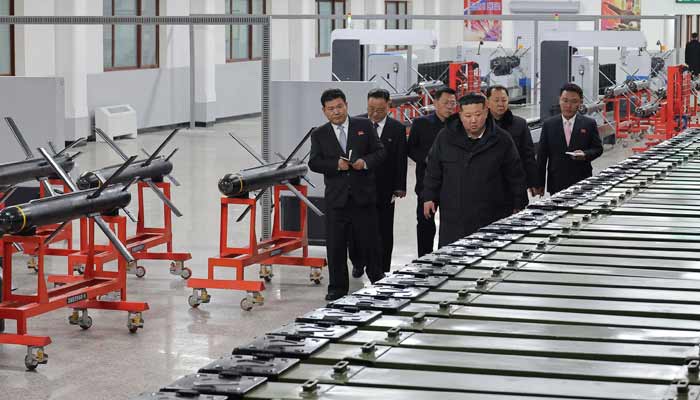
Kim Jong Un, North Korea’s leader, has been actively boosting the country’s missile and weapons capabilities in the lead-up to this year’s Ninth Party Congress, including visits to weapons factories and a nuclear submarine, and overseeing missile tests. South Korea anticipates China will play a constructive role in promoting stability on the peninsula, although details regarding the summit remain undisclosed. Experts believe President Lee’s discussions with Xi are focused on encouraging China to facilitate dialogue with North Korea, especially since Pyongyang has dismissed recent outreach efforts.
 ChatGPT
 Perplexity
 Gemini AI
 Grok AI