Select Language:
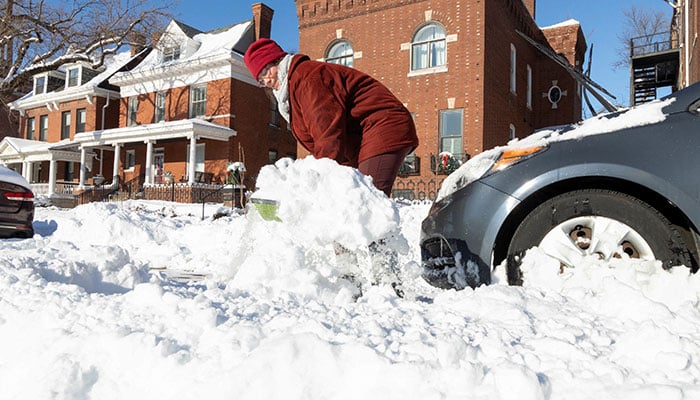
Extreme cold grips millions as the US begins to recover from a massive snowstorm that has caused at least 23 fatalities, power outages, and transportation chaos. The frigid Arctic air mass is expected to keep temperatures below freezing across much of the northern half of the country through February 1, with record lows reported in the South following the weekend storm. Some areas, like Connecticut, received over 22 inches of snow, and Boston recorded more than 16 inches.
The storm led to fatalities from hypothermia and traffic accidents involving sledding, ATVs, and snowplows. In New York City alone, eight deaths are under investigation, though not all may be storm-related. Power outages persist, with over 550,000 outages reported in the South as utilities scramble to restore service in states like Tennessee, Mississippi, and Louisiana, which are unaccustomed to such severe winter weather.
The Great Lakes region experienced dangerously low temperatures, with Michigan and Wisconsin seeing lows as cold as -23°F (-30.6°C), compounded by wild wind chills. Nearly half of the contiguous states received at least a foot of snow, with Bonito Lake in New Mexico topping the list at 31 inches.
Nashville faced ongoing hazards, as ice build-up on trees caused additional outages and dangerous conditions. Emergency warming centers have been established to help vulnerable residents. Recovery efforts are complicated by the widespread impact, as colder northern regions lack the resources to aid less-prepared southern areas.
Over 20 states, including the nation’s capital, are in states of emergency, mobilizing resources for relief. Transportation has been heavily affected—roads are blocked, and thousands of flights, buses, and trains have been canceled. The storm is linked to a stretched polar vortex that typically circles the Arctic but occasionally extends into North America, driven by climate change debates and natural variability.
Scientists note that the “dry, fluffy” snow characteristic of this storm complicates cleanup efforts, as wind easily blows it around, reducing visibility and making road clearing harder.
Meanwhile, Texas remains in the grip of a severe cold wave, with Arctic winds freezing major cities like Dallas, Austin, and Houston. Icy and snowy roads have made travel extremely dangerous, especially early in the morning and at night, leading authorities to warn residents to stay off the roads unless absolutely necessary. While daytime temperatures have slightly improved, night temperatures often plummet back below freezing, increasing the risk of refreezing and ice formation.
In Houston and Southeast Texas, high humidity combined with cold temperatures raises concerns about overnight ice formation, with authorities advising caution and urging residents to monitor weather updates. Schools across the state, especially in North and Central Texas, have closed through Tuesday, with further closures possible if conditions worsen. Officials emphasize the importance of avoiding travel and staying informed as the weather remains unpredictable over the coming days.
 ChatGPT
 Perplexity
 Gemini AI
 Grok AI