
Select Language:
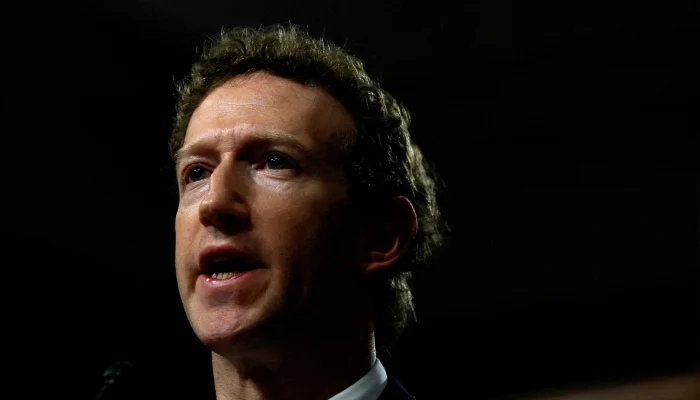
Meta’s CEO, Mark Zuckerberg, is scheduled to face questioning in a U.S. courtroom for the first time this Wednesday, regarding Instagram’s impact on the mental health of adolescent users. This comes amid a significant trial focusing on youth social media addiction. Although Zuckerberg has previously provided testimony before Congress, the conditions are more intense at this jury trial in Los Angeles, California. If Meta loses, the company could be ordered to pay damages, and the outcome might weaken the longstanding legal protections enjoyed by Big Tech companies against user harm claims.
This lawsuit, along with others of its kind, reflects a growing global movement criticizing social media platforms for damaging children’s mental health. Countries like Australia have restricted social media access for users under 16, with Spain and others contemplating similar regulations. In the U.S., Florida has banned companies from allowing users under 14, though industry trade groups are fighting this legislation in court.
The case involves a California woman who began using Instagram and YouTube as a child. She claims that these platforms aimed to profit by engaging children despite knowing that social media could be detrimental to their mental health. She asserts that the apps contributed to her depression and suicidal thoughts and is seeking accountability from the corporations.
Meta and Google deny these allegations, highlighting their efforts to implement safety features for users. Meta often references a National Academies of Sciences study indicating that existing research does not confirm social media’s negative effects on children’s mental health.
This lawsuit is seen as a test case for broader legal actions targeting Meta, Alphabet’s Google, Snapchat, and TikTok. Thousands of suits have been filed by families, school districts, and states across the U.S., accusing these companies of fueling a youth mental health crisis.
Zuckerberg is expected to be questioned about Meta’s internal research and discussions regarding how Instagram impacts young people. Investigative reports over the years have uncovered internal Meta documents acknowledging potential harms. For example, in October, Reuters reported that Meta’s researchers found that teens who felt worse about their bodies after using Instagram often encountered more “eating disorder-related content” than those who didn’t.
Last week, Instagram’s head, Adam Mosseri, testified that he was unaware of a recent Meta study showing no link between parental involvement and teens’ attention to their social media use. The document shown during the trial indicated that teens facing difficult circumstances are more likely to use Instagram habitually or unintentionally.
Meta’s legal team argued that the plaintiff’s mental health issues primarily stem from a troubled childhood, with social media serving as a positive outlet for her.
 ChatGPT
 Perplexity
 Gemini AI
 Grok AI