Select Language:
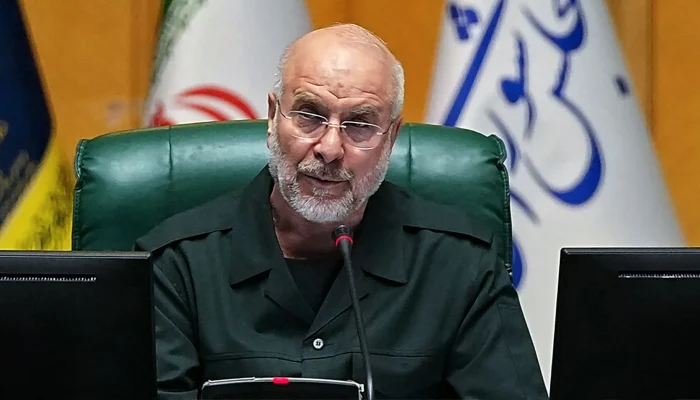
Iran’s Parliament Speaker Mohammad Bagher Ghalibaf, dressed in an IRGC uniform, presided over a session in Tehran on February 1, 2026, according to a photo from the Islamic Consultative Assembly News Agency.
He stated there is no trust in the U.S. due to previous war experiences and mentioned that the Iranian delegation presented forward-looking proposals during the recent talks. Ghalibaf emphasized that the U.S. must decide if it can earn Iran’s trust in future negotiations, suggesting that Washington’s willingness to do so is still uncertain.
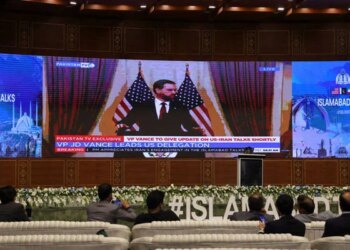
Following a series of over 20 hours of intense negotiations in Islamabad—mediation facilitated by Pakistan—the meetings concluded without an agreement. U.S. Vice President JD Vance indicated that Iran rejected Washington’s demands, describing them as “unreasonable” according to Iranian state media.
Vance reported at a press conference that negotiations covered key issues but ultimately failed. “The bad news is that no deal was reached, and I believe this is more damaging for Iran than for the U.S.,” he said. He also clarified that the U.S. made its red lines clear throughout the process.
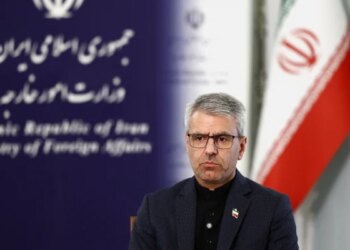
Iran’s Foreign Ministry spokesperson Esmail Baghaei noted that it was expected both sides wouldn’t finalize an agreement in a single meeting. Ghalibaf pointed out Iran’s lack of trust entering negotiations, citing past conflicts, and declared that Iran now faces a critical choice. “America has understood our logic and principles; now it must decide if it can earn our trust.”
He reaffirmed Iran’s commitment to not abandoning its efforts to protect gains made during the recent six-week conflict. Ghalibaf acknowledged Pakistan’s pivotal role in sponsoring the talks and extended his appreciation to the Pakistani people.
He praised the Iranian public support and the strength of the negotiation team, concluding with a message of resilience: “To my colleagues in these intense 21-hour negotiations, I say: well done. May Iran remain strong and enduring.”
The ongoing conflict, which started on February 28 with joint U.S.-Israeli strikes targeting Iran’s leadership and infrastructure, has resulted in over 2,000 casualties and widespread regional instability. Iran responded with retaliatory measures, disrupting shipping through the Strait of Hormuz and attacking U.S. and Israeli military targets in the region.
A ceasefire was announced on April 8, with Pakistan acting as the mediator. The U.S. proposed a 15-point framework addressing nuclear and missile issues, sanctions relief, and reopening the Strait of Hormuz. Iran countered with a 10-point plan emphasizing greater control over the Strait, transit fees, and a comprehensive sanctions removal.
 ChatGPT
 Perplexity
 Gemini AI
 Grok AI