Select Language:
Iran has proposed a detailed 10-point plan to end the conflict with the United States, outlining broad military, economic, and strategic conditions. President Donald Trump agreed to a two-week ceasefire with Iran, just under two hours before his specified deadline, following mediation efforts by Pakistan.
According to Iran’s National Security Council, discussions with the U.S. will commence in Islamabad on April 11, based on this 10-point proposal.
Key proposals include:
- Allowing limited passage through the Strait of Hormuz, coordinated with Iranian forces, which would give Iran a unique geopolitical and economic advantage.
- Ending all hostilities against groups aligned with the axis of resistance.
- Withdrawing U.S. military forces from regional bases and deployment points.
- Establishing a secure transit protocol in the Strait of Hormuz that affirms Iran’s dominance per the negotiated agreement.
- Full compensation for Iran’s damages as estimated.
- Lifting all primary and secondary sanctions.
- Removing international resolutions and oversight mechanisms targeting Iran.
- Releasing Iranian assets and properties frozen abroad.
- Recognizing Iran’s uranium enrichment program as part of the agreement.
- Final approval of all these measures in a binding Security Council resolution.
The plan was communicated through mediators, including Pakistan, amid urgent diplomatic efforts to de-escalate the conflict.
The U.S. has characterized the proposal as a “workable basis” for negotiations, hinting at possible progress toward a ceasefire and a broader resolution.
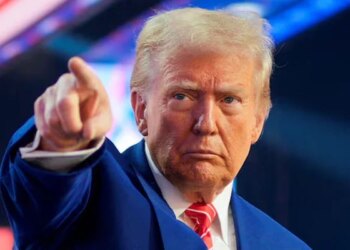
Earlier in the day, Trump issued a stark warning via social media, suggesting that “a whole civilization will die tonight” if his demands were not satisfied. Later, his stance shifted with the announcement of the temporary ceasefire.
Shehbaz Sharif, Pakistan’s Prime Minister and a mediator, announced on X that Iranian and U.S. delegations had been invited to meet in Islamabad on Friday.
Trump indicated that the deal was contingent upon Iran agreeing to halt its blockade of oil and gas shipments through the Strait of Hormuz, which typically accounts for about 20% of global oil traffic.
Iran’s Foreign Minister Abbas Araghchi confirmed that Tehran would cease retaliatory actions and allow safe passage through the waterway.
 ChatGPT
 Perplexity
 Gemini AI
 Grok AI