Select Language:
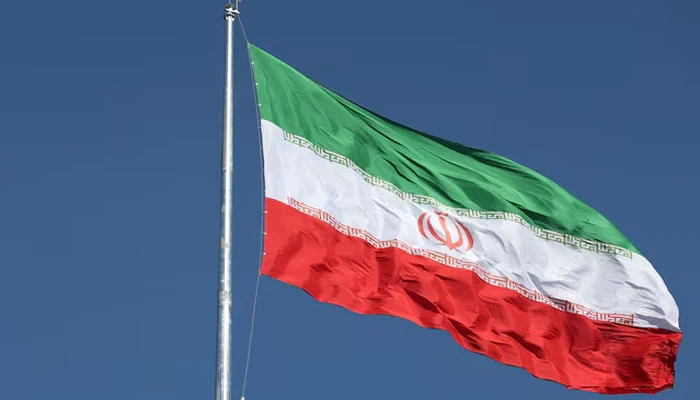
Iran accuses Israel of undermining regional diplomatic efforts as tensions increase. Recently, Tehran and Washington resumed negotiations in Muscat after a prolonged hiatus, marking a significant step following the collapse of previous talks precipitated by conflicts involving Israel and Iran.
Iranian Foreign Ministry spokesperson Esmail Baqaei emphasized that the U.S. holds the primary responsibility for deciding whether to pursue independent diplomatic actions free from regional pressures. He criticized Israel, labeling the Zionist regime a “saboteur” that consistently opposes peaceful negotiations in the region.
The negotiations in Muscat, which restarted last Friday, come after Iran’s devastating bombing campaign in June 2022, which led to a 12-day conflict involving Israel and the U.S. amidst targeted strikes on Iranian military and nuclear sites. Iran retaliated with drone and missile attacks on Israel and struck a major U.S. military base in Qatar.
Baqaei highlighted that Iran intends to pursue diplomacy to safeguard its interests, particularly regarding its nuclear program, and reiterated that Iran refuses to extend negotiations beyond the nuclear issue. Meanwhile, Israeli Prime Minister Benjamin Netanyahu stated that any negotiations should include limitations on ballistic missile development.
The backdrop includes threats from the U.S. and the deployment of military assets to the region following protests in Iran over economic hardships. Iranian authorities describe the protests, which started in late December, as initially peaceful but later inflamed by U.S. and Israeli involvement, resulting in violence and arrests.
 ChatGPT
 Perplexity
 Gemini AI
 Grok AI