Select Language:
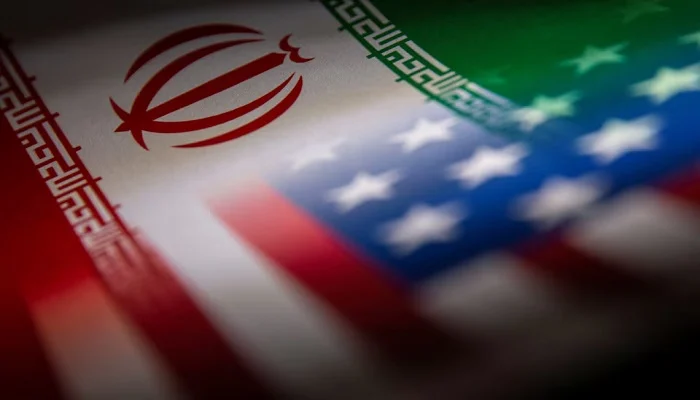
Iran is poised to submit a formal proposal detailing measures to de-escalate tensions with the United States, after a series of indirect talks held in Geneva on Tuesday, according to a senior U.S. official speaking with Reuters on Wednesday. These discussions involved U.S. representatives and Iran’s chief diplomat, with the goal of preventing the crisis from intensifying further.
Meanwhile, top U.S. national security officials convened in the White House Situation Room on Wednesday to review Iran-related issues, with instructions that all U.S. military forces in the region should be operational by mid-March. Secretary of State Marco Rubio is scheduled to meet Israeli Prime Minister Benjamin Netanyahu in Israel on February 28 to discuss Iran.
The Geneva talks on Tuesday included U.S. envoys Steve Witkoff and Jared Kushner, alongside Iranian Foreign Minister Abbas Araqchi, in an effort to prevent an escalation of hostilities. The U.S. seeks Iran’s concession on its nuclear program, which Iran firmly denies aiming to develop nuclear weapons, asserting it’s only enriching uranium for peaceful purposes.
Iran has committed to providing a written proposal to address U.S. concerns during these discussions. The U.S. officials are awaiting that document.
The scope of these negotiations has expanded to include issues beyond nuclear activity, such as Iran’s missile arsenal. Iran remains firm that it will only discuss limitations on its nuclear program in exchange for sanctions relief, and it refuses to fully abandon uranium enrichment or negotiate its missile capabilities.
White House press secretary Karoline Leavitt mentioned that some progress was achieved, but the talks still face significant disagreements on key points. In response, President Trump has ordered a significant military buildup in the region, including the deployment of a second aircraft carrier group. The full force presence is expected to be in place by mid-March.
 ChatGPT
 Perplexity
 Gemini AI
 Grok AI