Select Language:
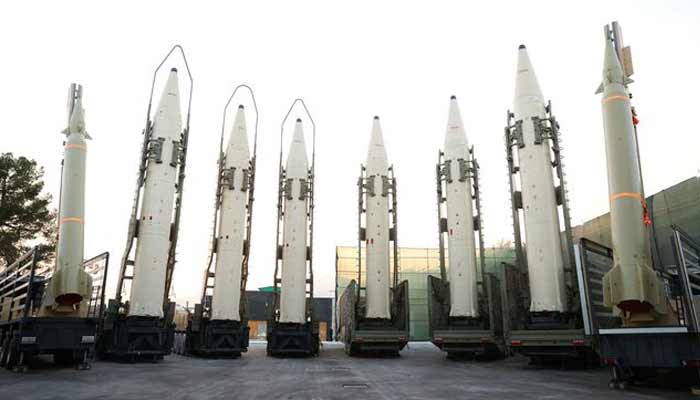
Iran maintains that its missile program is solely for defense purposes, aiming to discourage any potential attacks, and asserts that its arsenal’s existence is non-negotiable. During June’s 12-day conflict, Israel highlighted Iran’s ballistic missiles and nuclear ambitions as primary threats it aimed to neutralize.
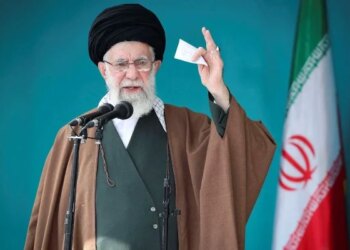
Foreign Ministry spokesperson Esmaeil Baqaei emphasized, “Iran’s missile development is for territorial defense, not for negotiations.” He added, “Our defensive capabilities are built to deter aggressors from contemplating any attack, and this is not subject to debate.”
Iran’s missile strength positions Israel within striking range. Following Israel’s unprecedented attacks that ignited the June conflict, Iran responded with missile and drone strikes targeting Israeli cities.
According to NBC, Israel is increasingly worried that Iran might rebuild and expand its missile production, potentially planning another assault to thwart these efforts.
Ahead of a scheduled visit to the U.S. later this month, Israeli Prime Minister Benjamin Netanyahu is expected to present President Donald Trump with options for U.S. involvement or support in any future military actions, sources familiar with the plans and former U.S. officials say.
During the recent conflict, Israel targeted military sites, nuclear facilities, and residential areas, resulting in over 1,000 deaths. Meanwhile, Israel reported more than 50 Iranian missile strikes within its borders, killing 28 people. The U.S. participated briefly in strikes against Iran’s nuclear sites before declaring a ceasefire.
Iran used to procure much of its weaponry from the U.S., but after cutting diplomatic ties in 1979 following the Islamic Revolution, it had to develop its own domestic arms industry.
 ChatGPT
 Perplexity
 Gemini AI
 Grok AI