Select Language:
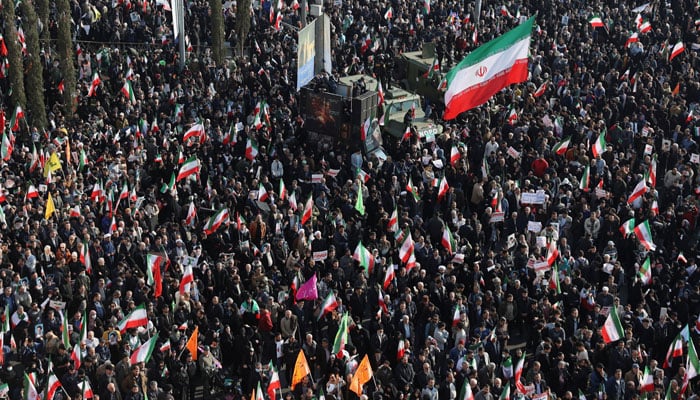
Iranian authorities on Monday made efforts to uncap the streets through large-scale nationwide rallies following protests that reached levels unseen in recent years.
Iran’s foreign minister stated that the country is prepared for both conflict and diplomacy, especially after Washington issued multiple threats of military intervention amid a crackdown on protests, which activists believe has resulted in hundreds of fatalities.
What began as economic protests over two weeks ago has escalated into a significant challenge to the country’s Islamic republic system, which has held power since the 1979 revolution overthrew the monarchy.
In a move that underscores the gravity of the situation, Iranian authorities have shut down internet access for more than three and a half days—a move activists say aims to hide the full extent of the government’s crackdown.
Tens of thousands gathered in Tehran’s Enghelab (Revolution) Square, waving national flags as prayers were offered for those killed in what the government terms “riots,” according to state TV.
Parliament speaker Mohammad Bagher Ghalibaf addressed the crowd, describing Iran’s struggle as a “four-front war,” involving economic pressure, psychological campaigns, military confrontation with the U.S. and Israel, and what he called a “war against terrorists,” referencing the protests.
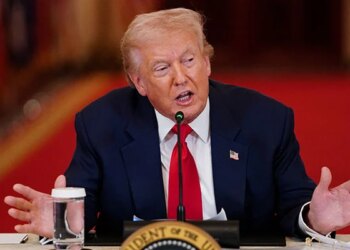
He also said the Iranian military would deliver an “unforgettable lesson” to U.S. President Donald Trump if Iran is attacked, with banners in the background reading, “Death to Israel, Death to America.”
Trump mentioned on Sunday that Iran’s leadership, under Ayatollah Ali Khamenei who has been in power since 1989 and is now 86, had reached out seeking negotiations after he had threatened military action over the protests.
Iran’s Foreign Minister Abbas Araghchi emphasized that the country isn’t seeking war but is fully prepared for it, while also expressing willingness to talk if negotiations are fair and based on mutual respect.
A spokesperson for Iran’s foreign ministry noted that communication channels with U.S. special envoy Steve Witkoff remain open, despite the absence of formal diplomatic relations.
Additionally, Oman’s foreign minister, which has sometimes acted as mediator, met with Araghchi in Tehran over the weekend.
 ChatGPT
 Perplexity
 Gemini AI
 Grok AI