Select Language:
Protests over Iran’s economic struggles persist. Demonstrators gathered in Tehran, Mashhad, and Isfahan. According to state media, most regions in Iran remained calm.
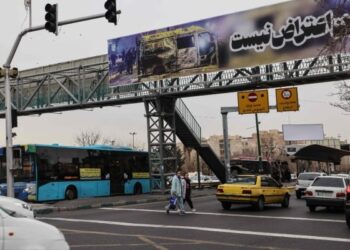
In Dubai, internet monitoring group NetBlocks reported that Iran experienced a nationwide internet blackout on Thursday, which left many residents disconnected from the outside world. This outage coincided with ongoing protests in various cities over rising costs and economic hardship, with demonstrators once again taking to the streets to express their frustration.
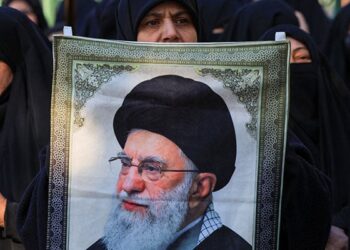
In key cities like Tehran, Mashhad, and Isfahan, witnesses told Reuters that crowds assembled anew, chanting slogans against Iran’s ruling clerics. Reza Pahlavi, the exiled son of Iran’s former Shah, who was ousted during the 1979 Islamic Revolution, urged for more protests in a video posted on X (formerly Twitter) Wednesday. Social media posts, though unconfirmed by Reuters, claimed protesters across several Iranian towns shouted pro-Pahlavi slogans. Meanwhile, official state media assured that cities across Iran remained peaceful.
The wave of unrest, the largest in three years, started last month at Tehran’s Grand Bazaar, where shopkeepers condemned the rial’s rapid decline. The protests have since spread countrywide, fueled by deep economic distress caused by inflation driven by mismanagement, Western sanctions, and restrictions on political and social freedoms.
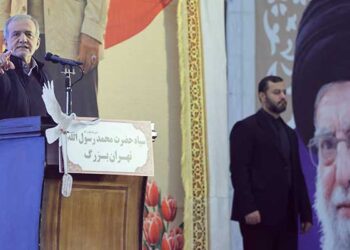
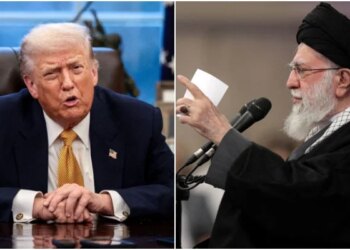
Iranian President Masoud Pezeshkian warned domestic traders against hoarding or inflating prices. He emphasized the importance of maintaining a steady supply of goods and closely monitoring prices nationwide. Internationally, Tehran faces mounting pressure, with U.S. President Donald Trump warning he would intervene if security forces used lethal force against protesters, amid ongoing tensions following recent Israeli and U.S. strikes on Iranian nuclear sites.
 ChatGPT
 Perplexity
 Gemini AI
 Grok AI