
Select Language:
India’s telecom ministry has privately instructed smartphone manufacturers to preload all new devices with a government-owned cybersecurity app that cannot be removed, according to a government document. This move is expected to upset companies like Apple and privacy advocates alike.
India’s vast telecommunications market has over 1.2 billion subscribers, making it one of the largest in the world. Since its launch in January, the app has reportedly helped recover more than 700,000 missing phones, with 50,000 recovered just in October.
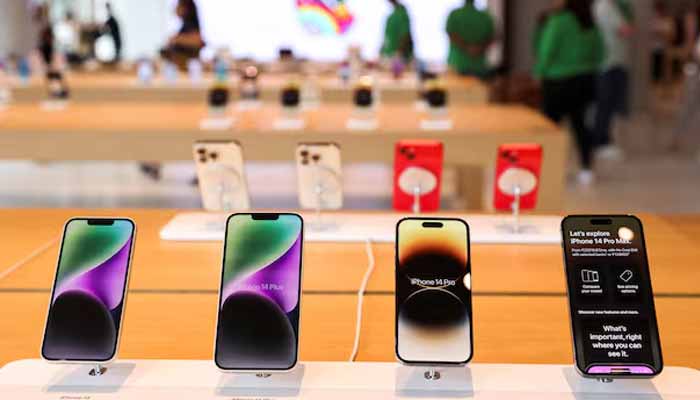
Apple, which has previously clashed with India’s telecom regulator over the development of a government anti-spam app, is among the manufacturers affected by the new directive, alongside Samsung, Vivo, Oppo, and Xiaomi.
The November 28 order, a copy of which was reviewed by Reuters, mandates that major smartphone companies ensure the government’s Sanchar Saathi app is pre-installed on all new devices within 90 days. The app must be set up so that users cannot disable or delete it. For phones already in the distribution chain, manufacturers are instructed to push the app via software updates. This order was sent privately to select companies and has not been publicly released.
The government asserts that the app is crucial to combating significant cybersecurity threats, such as the use of fake or spoofed IMEI numbers, which facilitate scams and abuse of networks.
Currently, Apple’s iOS powered approximately 4.5% of India’s 735 million smartphones by mid-2025, with the majority running on Android, according to Counterpoint Research.
While Apple pre-installs its proprietary apps, its internal policies prohibit the pre-installation of any government or third-party apps before a device is sold. A source familiar with Apple’s policies indicated that the company has historically refused such requests from governments. Instead, Apple might seek a compromise, perhaps providing an option for users to choose whether to install the app rather than mandating it be pre-installed.
The IMEI number—a unique 14- or 17-digit identifier for each device—is mainly used to block stolen phones from accessing networks. The government’s app enables users to report suspicious calls, verify IMEI numbers, and block stolen devices through a centralized registry.
Since its launch, the app has been downloaded over 5 million times and has helped block more than 3.7 million stolen or lost phones. Additionally, over 30 million fraudulent connections have been terminated. The government maintains that the app is vital for preventing cyber threats, aiding law enforcement in tracking and blocking lost or stolen devices, and reducing counterfeit phones in the black market.
 ChatGPT
 Perplexity
 Gemini AI
 Grok AI