
Select Language:
India’s government reversed a rare policy decision on Wednesday, withdrawing a mandate that required smartphone manufacturers to preinstall a government-backed cybersecurity app on all new devices. The move came after significant backlash from politicians, privacy advocates, and international tech firms over concerns about potential surveillance.
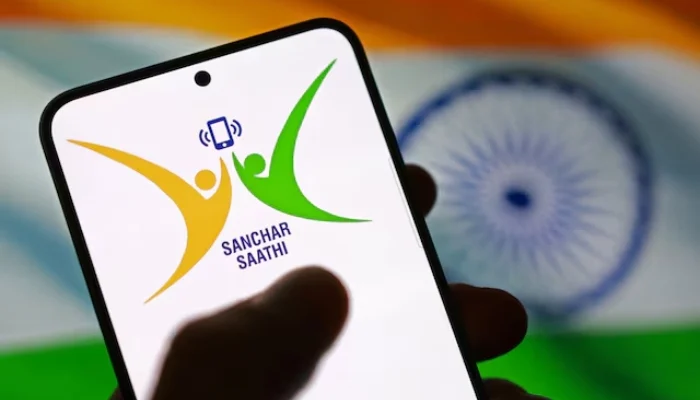
Initially, Prime Minister Narendra Modi’s administration had privately instructed companies like Apple, Samsung, and Xiaomi on November 28 to include the app, called Sanchar Saathi, which cannot be removed, on new phones within 90 days, as first reported by Reuters.
The government clarified in a statement that mandatory pre-installation would no longer be enforced for device makers. This reversal followed protests from opposition parties and editorial voices criticizing the policy, with privacy advocates raising alarm. Notably, major manufacturers such as Apple and Samsung had indicated they would not comply with the directive.
Earlier, government officials defended the initiative, claiming the app was designed solely to help track stolen phones and prevent misuse. The government stated that the app is secure and aims to protect citizens from cyber threats. They also noted that the app’s growing popularity—evidenced by a 13% increase in daily downloads to 78,000 on Monday according to Sensor Tower—was a factor in reconsidering the policy.
This policy reversal underscores ongoing tensions around digital privacy in India, reminiscent of a similar government order in Russia that mandated the pre-installation of a state-backed messenger app, MAX, on all mobile devices. Previously, Modi’s government also faced criticism for a COVID-19 contact tracing app, which was eventually softened due to privacy protests.
Lawmakers and privacy groups emphasized the need for clarity about the legal basis for such mandates, warnings about potential backdoors compromising user data, and the importance of safeguarding individual privacy rights. The government’s retreat from this mandate signals a recognition of the potential political and diplomatic fallout from enforced app installations, especially amid ongoing debates about digital rights and security.
 ChatGPT
 Perplexity
 Gemini AI
 Grok AI