
Select Language:
The initial week of the U.S. military operations against Iran has resulted in an expenditure of approximately $6 billion, with about $4 billion allocated to munitions and advanced missile interceptors. Pentagon officials informed Congress that additional funding will likely be necessary to maintain ongoing operations and restock supplies. These financial details emerged during congressional hearings held earlier this week.
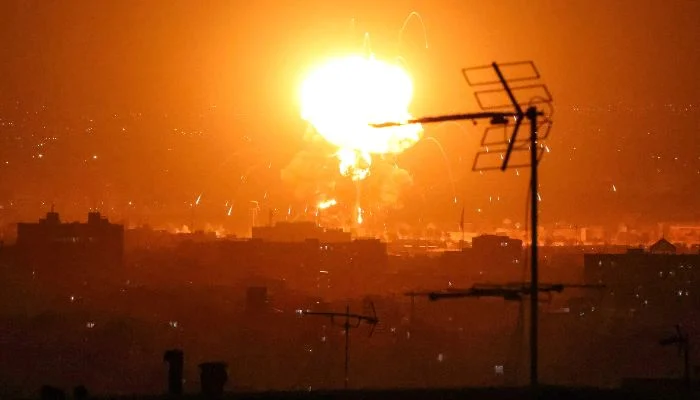
A report from The New York Times indicates that around 4,000 Iranian targets have been hit, including missile launchers, naval vessels, and air defense systems, significantly impairing Tehran’s capacity to retaliate. General Brad Cooper, commander of U.S. Central Command, noted that Iran’s ballistic missile launches have decreased by nearly 90% since the conflict began, while drone attacks have fallen by about 83%. Nonetheless, he emphasized that Iran still possesses substantial military strength, including roughly half of its missile inventory.
In Washington, lawmakers are gearing up for a potential request from the Biden administration for supplementary funding in the coming weeks, amid rising scrutiny from both Democrats and Republicans over the rapid pace of spending. Critics warn that costly interceptor missiles—some priced in the millions per unit—are being deployed so frequently that they could strain the U.S. defense industrial base and cause shortages in other strategic regions.
The conflict was triggered on February 28 when the U.S. and Israel carried out extensive strikes on Iran, reportedly resulting in over 1,200 casualties, including Iran’s Supreme Leader Ali Khamenei and numerous senior military officials. Iran has responded with missile and drone attacks directed at Gulf nations, U.S. military bases, diplomatic sites, and military personnel across the region, as well as multiple Israeli cities.
This heightened tension has also raised concerns about global energy supplies, especially as maritime traffic through the Strait of Hormuz—an essential route that moves about 20 million barrels of oil daily—has significantly declined.
 ChatGPT
 Perplexity
 Gemini AI
 Grok AI