Select Language:
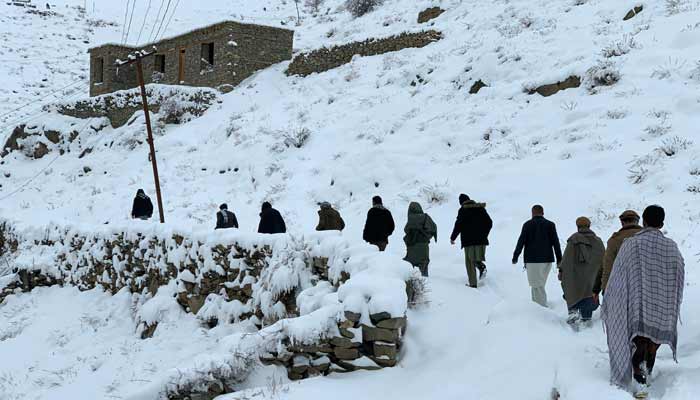
Heavy snowfall and torrential rain have claimed the lives of 61 people across Afghanistan over the past three days, according to disaster management officials. Several provinces have also experienced disruptions to major roads and power supplies.
Most fatalities happened in central and northern regions between Wednesday and Friday, as detailed in a map released by Afghanistan’s Disaster Management Authority (ANDMA). The initial reports indicate 110 injuries and the destruction of 458 homes, either partially or entirely, via social media updates from ANDMA.
Around 360 families have been affected by the adverse weather, with officials urging residents to avoid unnecessary travel on snow-covered roads through a video message. The majority of the casualties resulted from roof collapses and avalanches, while many also succumbed to frostbite due to sub-zero temperatures, a spokesperson told AFP.
In Kandahar’s southern province, six children died after their home’s roof collapsed amid strong winds and heavy rain on Wednesday. Other districts also suffered structural damage.
The Salang Highway, a crucial route connecting northern provinces, is now closed. Authorities in Parwan province, north of Kabul, confirmed the shutdown. Food aid was distributed to travelers stranded on a mountain pass in Bamyan Province, located west of the capital.
Additionally, a power line bringing electricity from Uzbekistan was damaged Thursday, leaving nearly a dozen provinces without power. Mohammad Sadiq, a spokesman for Afghanistan’s national power utility DABS, explained that repair crews are unable to access the area due to the blockage at Salang Pass.
The severe weather has also destroyed shops and killed livestock across various rural areas. The Kabul Times editorialized, “Snow and rain, when managed properly, benefit Afghanistan’s environment and livelihoods. But without adequate preparation and prompt response, these natural events can quickly turn tragic.”
The United Nations predicts that over half of Afghanistan’s population of more than 40 million will require humanitarian aid this year, following a significant decline in foreign assistance over recent years. Persistent natural disasters, including earthquakes and droughts, further complicate the ongoing struggle for survival.
 ChatGPT
 Perplexity
 Gemini AI
 Grok AI