Select Language:
Members of the Reuters Gulf team, like many others in the region, have been forced into sheltering in stairwells and windowless bathrooms. We’ve listened to missiles being intercepted overhead while trying to comfort scared children and handle growing concerns from afar.
We now pay closer attention to potential dangers—how a window might shatter, where to find scarce supplies like chicken or bananas, and how every minor sound, even a neighbor closing a cabinet, can make our hearts race.
In a region with increasingly dangerous airspace closures and where the only safe escape is a long desert drive through territory under Iranian attack, we all face the same impossible decisions: to stay or to leave, and how to do so.
Federico Maccioni, part of Reuters’ finance team based in Dubai, remarked that he’s beginning to sense some doubts about what lies ahead for the city. Meanwhile, Rachna Uppal, the agency’s chief economics correspondent in Abu Dhabi, noted how life remains remarkably normal—people are shopping, going to dental appointments, and even jet skiing.
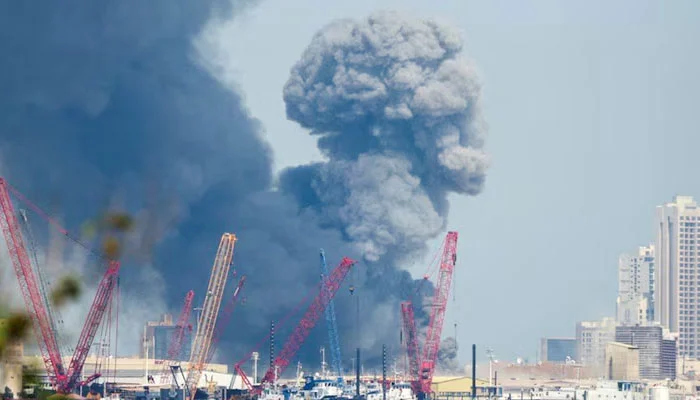
Reporters across the Gulf are trying to piece everything together. Iran’s drones continue relentless strikes, penetrating defenses and targeting airports, hotels, and data centers. Tourism is collapsing, business centers are frozen, and the Gulf’s decades-long development efforts now seem uncertain. This overview examines the economic impact, strategic risks, and potential lasting changes caused by this conflict.
Gulf fundamentals
The Gulf’s growth over the years stood on two main beliefs: its cities provided a safe refuge in a turbulent region, and its vast wealth from continuous energy exports would keep flowing. Recent events threaten to dismantle both assumptions, possibly forever.
First, the idea of the Gulf as a safe haven has been shattered. Dubai, seen as an oasis of stability, was built on the premise that regional chaos would end at its borders. But weeks of Iranian missile and drone attacks on key points like airports and ports have exposed that illusion.
While Sheikh Mohammed bin Zayed of the UAE tried to project normality strolling through Dubai Mall, outside, flights were canceled, markets closed, and residents queued anxiously for supplies. The constant barrage of air defense interceptions has added to the fear, raising questions about whether cities like Dubai, Abu Dhabi, and Riyadh—dependent on confidence, ease of movement, and perception—can sustain their reputation as premium destinations when visibly vulnerable.
Economic fragility and ripple effects
The second, deeper crisis stems from economic disruption. Closing the Strait of Hormuz and halting QatarEnergy’s massive LNG operations—responsible for a fifth of global LNG—have triggered an unthinkable supply shock.
Iraq has cut back oil production; Saudi Arabia is adjusting its crude shipments; and hundreds of tankers remain idling near Fujairah—still smoldering after an attack—unable to pass safely. Prices for oil, natural gas, and related commodities have surged.
The Gulf’s capacity to fund diversification, major investments, and maintain its generous social contracts depends heavily on stable energy exports. That foundation is now under threat, with some damages permanent.
What’s next?
This conflict has exposed a broader uncertainty: what will the future relationship between the Arab Gulf and Iran look like after this? After years of tentative diplomacy, the Gulf states had started to recalibrate ties with Iran, recognizing mutual interests and geography. That fragile trust has now been shattered.
Iran’s widespread missile and drone assaults have erased the political space previously available for dialogue. As Gulf capitals confront this new reality, they face a tough question: can they ever trust Iran again, or is this the beginning of a prolonged hostile freeze?
The consequences are significant. The Gulf’s economic model, energy security, and regional diplomacy—constants for years—have been shaken. Even if active fighting ceases soon, this may mark the end of the era where engagement with Iran was considered manageable. A more cautious, security-focused Gulf is likely to emerge.
 ChatGPT
 Perplexity
 Gemini AI
 Grok AI