Select Language:
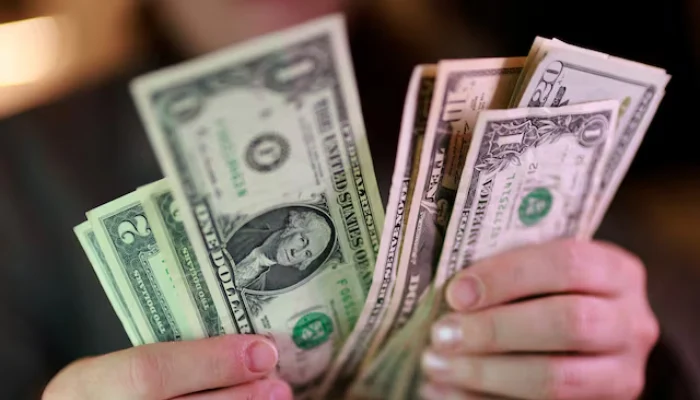
Amid escalating diplomatic efforts ahead of potential peace negotiations between the U.S. and Iran in Islamabad, a parallel and significant activity is taking place in the realm of online prediction markets. Here, hundreds of millions of dollars are being wagered on the potential outcomes of the ongoing conflict.
Platforms like Polymarket and Kalshi see traders placing real money bets on whether the fragile ceasefire will hold, if diplomatic talks will succeed, and how the conflict might unfold. This high-volume activity indicates a shared global understanding: the stakes are immense, but there’s still a lot of uncertainty.
Data indicates that over $300 million has been traded in markets related to Iran, with most transactions described as “trading” rather than outright betting. More than $250 million alone is tied to a single market focused on when and how a ceasefire might end.
Participants are essentially assigning probabilities: Will peace talks in Islamabad lead to a breakthrough or will tensions flare back up? Market sentiment remains cautious, with the chances of a comprehensive, enduring peace currently estimated between 20% and 40%. More optimistic are those betting on a temporary or partial resolution, such as an extension of the ceasefire or a limited diplomatic understanding, which have perceived probabilities above 50%. Meanwhile, bets expecting renewed escalation or a total breakdown of the ceasefire hover between 30% and 50%, highlighting widespread doubts about long-term stability.
Some traders have already achieved substantial gains. Market reports mention individuals earning over $600,000 by correctly predicting the ceasefire announcement before it was publicly known, prompting questions about possible insider knowledge.
Experts note that prediction markets have evolved from simple speculative pastimes to robust gauges of geopolitical sentiment, where financial exposure converges with analysis and risk assessment.
While international media describes the Islamabad talks as a “fragile but crucial moment,” analysts widely agree that the ceasefire remains precarious, with key issues unresolved. Iran’s nuclear program, control of the Strait of Hormuz, and ongoing conflicts in Lebanon continue to hinder diplomatic progress.
For Pakistan, the stakes are high. Acting as a mediator could boost Islamabad’s international standing, but failure carries serious risks, including economic and security impacts, especially in energy markets and regional stability, which could be felt far beyond the negotiation table.
Though wagering on geopolitical crises isn’t entirely new, the scale of activity surrounding the U.S.-Iran tensions is unprecedented. Modern conflicts now influence financial markets, digital platforms, and global opinion, extending far beyond traditional battlegrounds.
As negotiations are set to commence in Islamabad within hours, the outcome remains uncertain. What’s clear is that the world is closely watching—and many are actively investing in whatever comes next.
 ChatGPT
 Perplexity
 Gemini AI
 Grok AI