
Select Language:
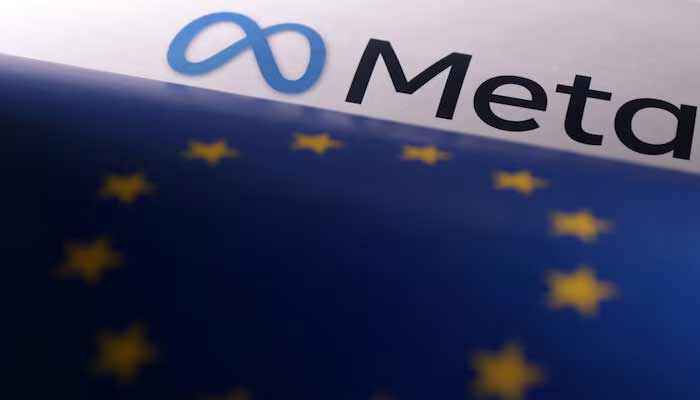
The European Union has instructed Meta to allow competing AI chatbots access to its WhatsApp platform, following an antitrust investigation that found the American tech giant violated the bloc’s competition regulations.
According to the European Commission, Meta’s recent changes to its terms effectively prevented third-party AI assistants from connecting with users on WhatsApp since January. EU competition head Teresa Ribera mentioned that the agency is “considering” interim measures to prevent Meta’s new policy from causing lasting harm to competition within Europe.
The EU sent Meta a formal “statement of objections,” giving the company an opportunity to respond and defend its actions. Should the EU decide to implement interim measures, Meta could be required to maintain third-party AI access to WhatsApp under the same conditions as prior to the policy change until the investigation concludes.
Meta dismissed the preliminary findings, asserting that “there is no reason for the EU to intervene.” A company spokesperson explained, “There are numerous AI alternatives available through app stores, operating systems, devices, websites, and partnerships. The commission’s rationale mistakenly assumes that the WhatsApp Business API is a primary channel for distributing these chatbots.”
This investigation, launched in December, is one of the EU’s efforts to regulate major technology companies, most of which are based in the United States. These efforts have faced resistance from the U.S. government, especially during the Trump administration.
Meta has incorporated its own generative AI, Meta AI, across its platforms such as Facebook and Instagram, which serve billions of users worldwide. The new restrictions target situations where AI is the main service — like chatbots or virtual assistants — though companies can still employ AI for support tasks like customer service on WhatsApp.
European regulators are worried that confining WhatsApp’s more than three billion users to Meta’s AI could give the company an unfair business advantage over smaller competitors and emerging AI chatbots.
The investigation covers the European Economic Area, including the 27 EU member states, Iceland, Liechtenstein, and Norway, with Italy conducting a separate probe since July. The EU considers Meta to likely be a dominant player in the region’s consumer messaging market through WhatsApp and alleges that the company has abused this dominance by refusing access to rivals.
“Allowing dominant tech firms to unlawfully leverage their market position to the detriment of fair competition cannot be tolerated,” Ribera stated. The investigation does not have a set deadline for its conclusion.
Additionally, Meta faces other investigations under different European laws. They include inquiries into Facebook and Instagram regarding their efforts to address social media addiction among children, as well as an appeal against a $238 million fine from last year related to their online advertising practices under the Digital Markets Act. The EU’s concerns involve the company’s policies that force users to choose between an ad-free subscription or a free, ad-supported service, with negotiations ongoing for an alternative solution.
 ChatGPT
 Perplexity
 Gemini AI
 Grok AI