Select Language:
The European Union has decided to label Iran’s Revolutionary Guards as a “terrorist organization,” signaling strong disapproval following a brutal crackdown on nationwide protests. This move communicates a clear condemnation of Tehran’s actions.
EU President Ursula von der Leyen expressed that “this was long overdue” via social media after the foreign ministers made the decision.
Although largely symbolic, this designation has prompted warnings from Iran that it could lead to “destructive consequences.” Alongside this, the EU has imposed visa bans and asset freezes on 21 Iranian state entities and high-ranking officials—including the interior minister, prosecutor general, and regional IRGC commanders—due to the repression.
Iranian officials admit that over 3,000 people have died during the protests, but they claim most casualties were security personnel or bystanders killed by “rioters.” Human rights organizations suggest the actual death toll may reach tens of thousands, with evidence indicating security forces, including the IRGC, directly shot protestors.
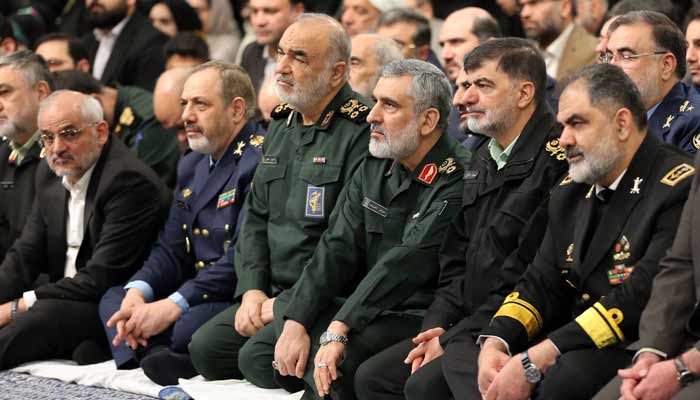
The IRGC, established after the 1979 revolution, serves as Tehran’s ideological military branch, overseeing or owning numerous key companies across Iran’s economy and strategic sectors. The EU’s chief diplomat, Kaja Kallas, noted that diplomatic engagement with Iran will likely stay open even after the IRGC’s designation.
The EU’s crackdown on the IRGC follows France’s approval of similar measures, joining Italy in shifting toward this stance. Israel lauds the move as a “historic decision,” aligning with classifications made by the US, Canada, and Australia.
France was initially cautious, fearing repercussions for Europeans detained in Iran and aiming to maintain diplomatic ties. French Foreign Minister Jean-Noel Barrot emphasized that “there can be no impunity for the crimes committed,” calling on Iranian authorities to release prisoners, halt executions, and cease violent repression.
He also urged Tehran to lift the internet blackout and restore the people’s ability to shape their future. The EU has already sanctioned hundreds of Iranian officials and entities over past protests and Iran’s support for Russia’s invasion of Ukraine.
While senior IRGC members are already subject to EU sanctions, adding the organization to the terror blacklist is expected to have limited practical impact on its operations.
 ChatGPT
 Perplexity
 Gemini AI
 Grok AI