Select Language:
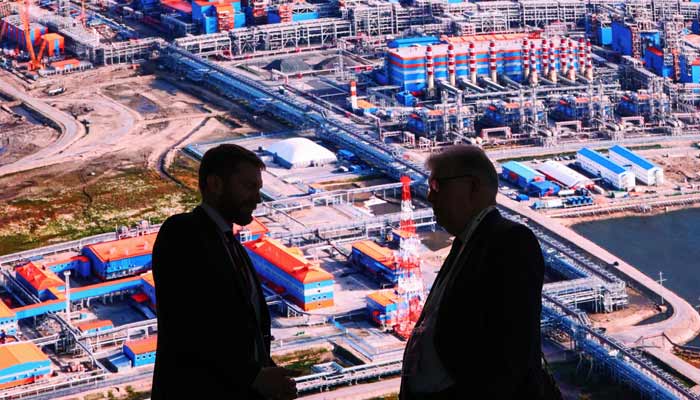
Participants deliver speeches in front of a display booth of Novatek, Russia’s liquefied natural gas company, at the Russian Energy Week international forum in Moscow on October 15, 2025.
– The EU aims to cut off Russia’s revenue to finance its conflict in Ukraine.
– Russia currently supplies about 12% of the EU’s gas imports.
– The proposal includes flexible provisions for landlocked member countries.
On Monday, EU energy ministers approved a plan to eliminate Russian oil and gas imports by January 2028, according to the European Union Council. The agreement entails ending new Russian gas contracts starting in January 2026, phasing out existing short-term contracts from June 2026, and ceasing long-term contracts by January 2028, during discussions in Luxembourg.
The legislation is still in draft form. EU member states will negotiate the final details with the European Parliament, which is reviewing its stance.
The measure is driven by the desire to deprive Russia’s government of funds used to support its war in Ukraine. Russia currently provides roughly 12% of gas imported by the EU, a significant decrease from 45% before Russia’s invasion of Ukraine in 2022. Countries like Hungary, France, and Belgium still receive Russian gas.
The European Commission designed the legislation to pass despite opposition from Hungary and Slovakia, which still import Russian oil. To succeed, the proposal requires support from at least 55% of EU countries—enough to prevent a veto by one or two nations. The approved text grants specific flexibilities for landlocked countries such as Hungary and Slovakia.
Slovak Prime Minister Robert Fico defended his country’s resistance to the energy import phaseout and sanctions, which require unanimous EU approval. Slovakia previously delayed approval of the latest sanctions package over demands related to ending Russian energy imports.
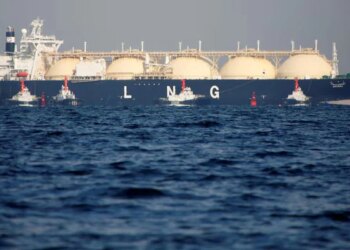
Meanwhile, the EU is negotiating a new sanctions package that would ban LNG imports a year earlier, effective January 2027. EU Foreign Policy Chief Kaja Kallas indicated that this new sanctions proposal could gain approval within the week.
 ChatGPT
 Perplexity
 Gemini AI
 Grok AI