Select Language:
In 2022, Google introduced a feature named Results About You, enabling users to request the removal of personal details from search results. Recently, the company has announced enhancements to this tool that simplify the process of erasing specific information or updating outdated entries.
“Our new hub streamlines the signup process, and with proactive monitoring, we’ll do the hard work for you – notifying you if new results appear,” the company stated. One of the most significant updates is the improved ability to request changes to personal information displayed in Google search results.
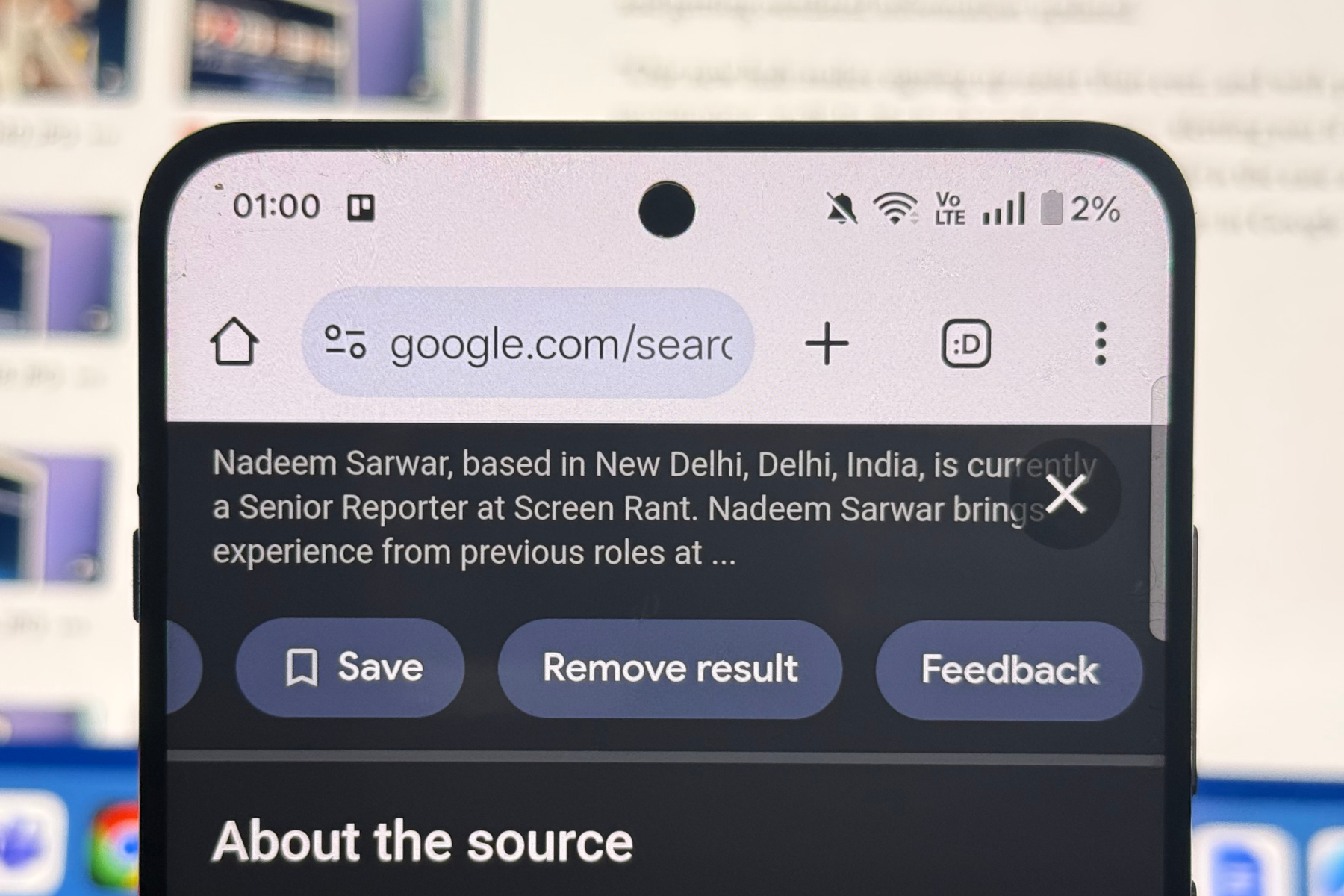
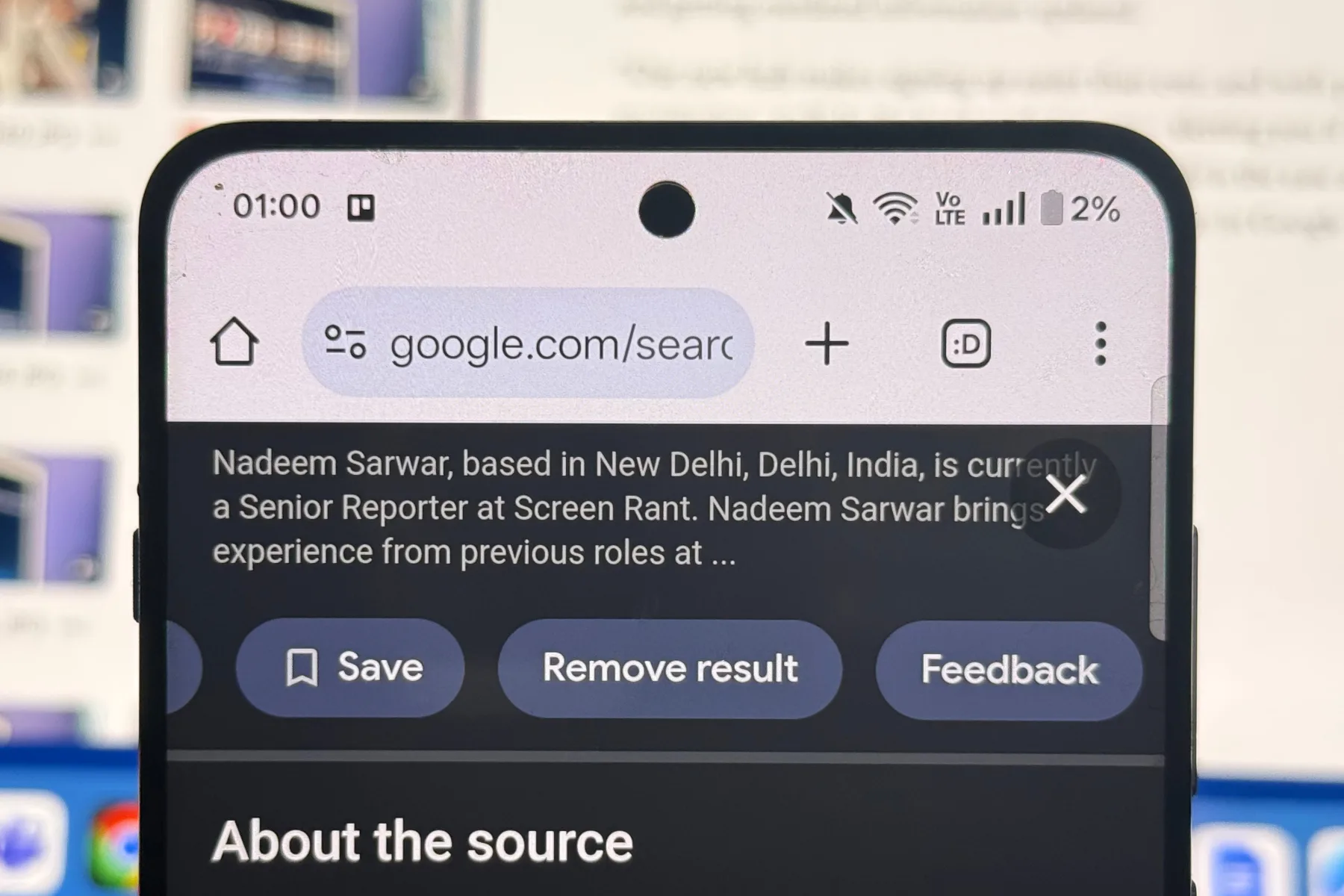
When you search for your name or business on Google, a variety of results will appear. If any of these contain sensitive information, you can request their removal simply by tapping the three-dot menu icon located in the upper-right corner of the search result box.
On mobile devices, tapping the menu button will direct you to a new page that provides additional details about how the information was indexed by Google. At the top, a “Remove result” button allows you to submit a data removal request.
On the following page, you can indicate the specific reason for wanting the search result removed. You might mention privacy concerns regarding sensitive information (like phone numbers, government ID details, financial data, passwords, or private logs) or provide a legal justification for the request.
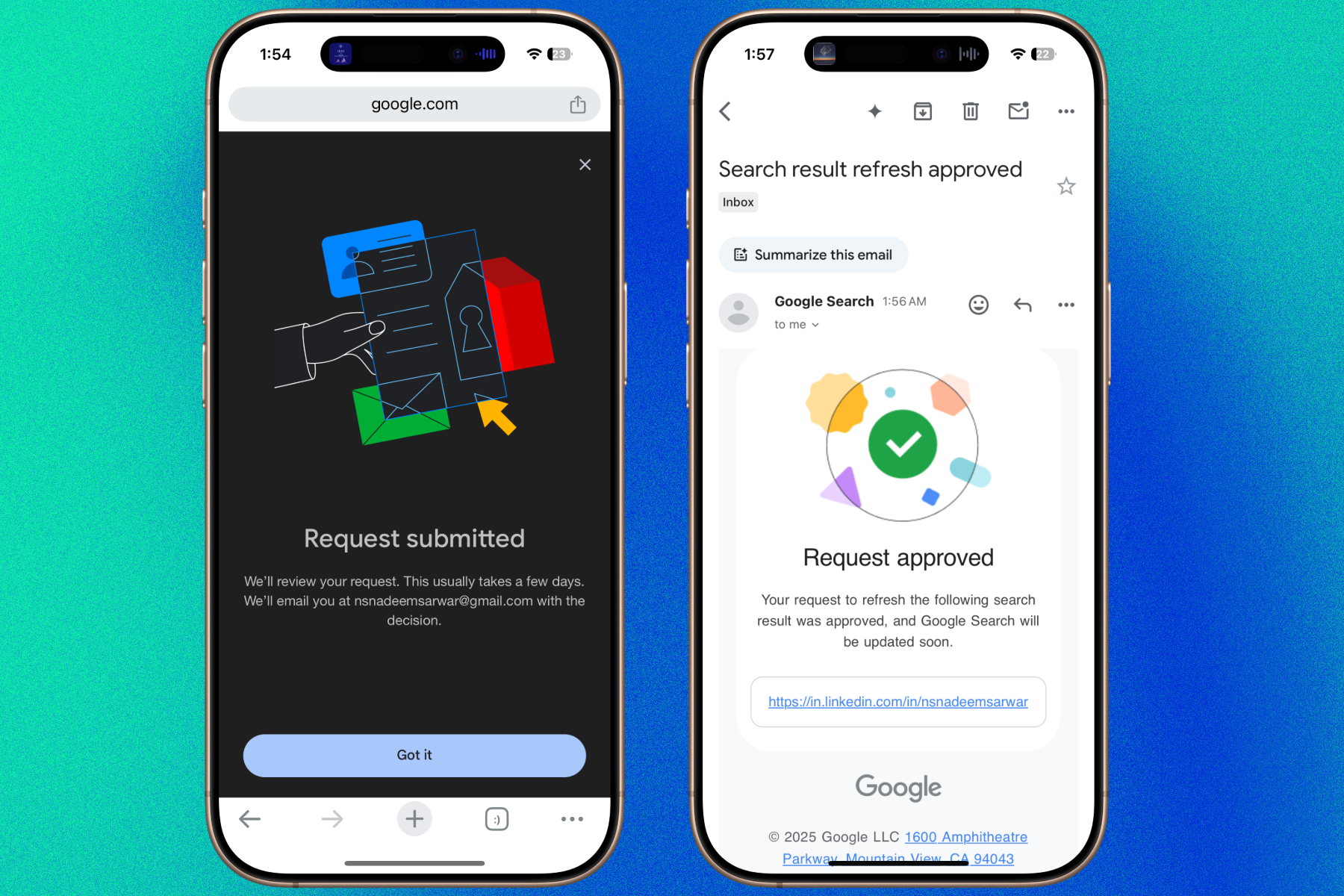
At the bottom of the page, you’ll also find an option to refresh information, which allows you to request that outdated details be updated with the latest available data. Typically, it takes a few days for requests for removal or updates to be processed, and users will receive notifications at their registered email addresses.

According to Google, the search system will conduct a fresh web crawl and replace the requested search result with the most recent information. I submitted a request to update details about my journalism career in a search result, and my request was approved in under ten minutes.
The company also has specific protocols in place to remove not only professional information from search results but also content that pertains to urgent issues such as explicit or personal media, non-consensual content, exploitative material, and personally identifiable information.
 ChatGPT
 Perplexity
 Gemini AI
 Grok AI