Select Language:
A Dutch court disappointed a couple after ruling that their marriage, which included vows created with the help of artificial intelligence, was not legally valid.
The couple believed they had married during a ceremony in Zwolle in April 2025, located in the northern part of the country.
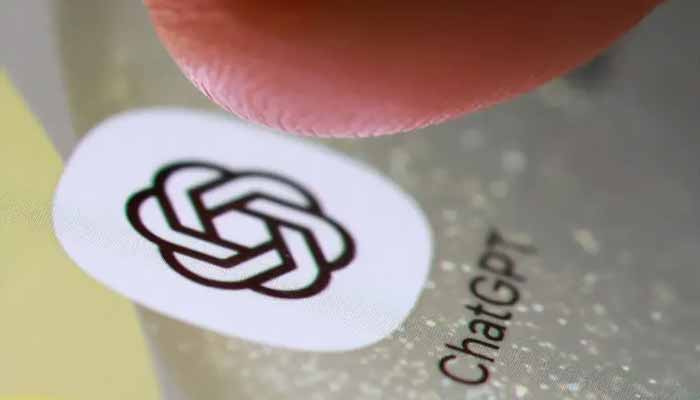
Intending to have an informal civil ceremony, they asked a friend to officiate. The friend used ChatGPT to help craft the vows.
However, the court in Zwolle concluded on Tuesday that they overlooked an important detail.
Legally, couples must declare their intent to fulfill all obligations tied to marriage, the court explained in its decision.
“The statement provided indicates that the man and woman did not make the declaration specified in Article 1:67, paragraph 1, of the Dutch Civil Code,” the ruling stated.
The court cited examples of the vows generated by AI to illustrate its point.
“Do you promise to stand by (woman’s name) today, tomorrow, and forever?” the man was asked during the ceremony.
“To laugh together, grow together, and love each other no matter what?”
‘A Crazy Couple’
The couple was also questioned about their support for each other, teasing, and sticking together even during tough times.
After answering these questions, they were declared “not just partners but a team, a crazy couple, each other’s love and home!”
But the court didn’t find this acceptable.
Because of the language used during the ceremony, the court determined that the marriage was not formally recognized.
“This implies that the marriage certificate was mistakenly recorded in the civil registry,” it added.
The couple argued they had no intention of making an error and that the official at the ceremony hadn’t pointed out the mistake at the time.
They also explained that changing their marriage date would cause them emotional distress and requested that their original wedding date be registered as the legal marriage date.
However, the court didn’t side with them.
“While we understand how much the marriage date matters to the couple, we must adhere to the law,” the ruling concluded.
 ChatGPT
 Perplexity
 Gemini AI
 Grok AI