Select Language:
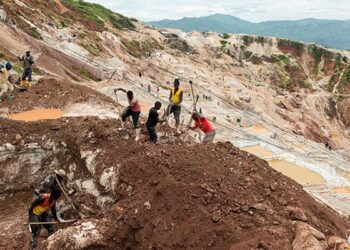
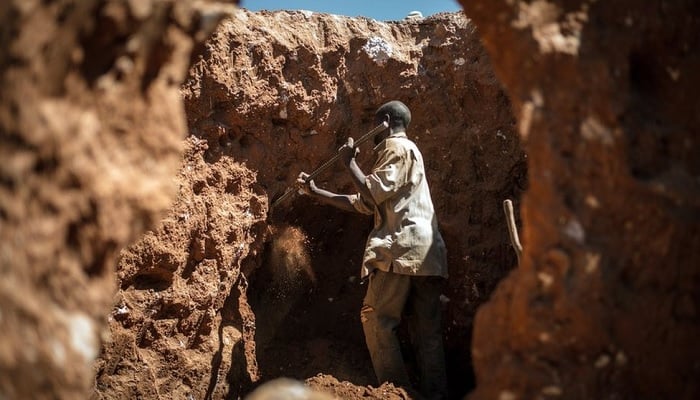
A makeshift bridge at a cobalt mine in southeastern Democratic Republic of Congo collapsed on Saturday, resulting in the deaths of at least 32 illegal miners. Roy Kaumba Mayonde, the province’s interior minister, reported the incident and shared that rescue teams have recovered 32 bodies and are continuing efforts to find survivors. The mine, located in Lualaba province, is a key site in Congo, which produces over 70% of the world’s cobalt—an essential component in batteries for electric vehicles, laptops, and smartphones.
An estimated 200,000 people work in large illegal cobalt operations across the country. Authorities identified the collapse occurred at the Kalando mine, roughly 26 miles southeast of Kolwezi, the provincial capital. Despite a formal prohibition on entering the site due to heavy rains and the threat of landslides, unregistered miners forced their way into the area. The collapse was caused by the rush of miners crossing a hastily built bridge over a flooded trench.
A government inspection agency, SAEMAPE, indicated that the presence of armed soldiers at the site had sparked panic among miners. The report highlighted ongoing disputes between illegal miners, a cooperative intended to regulate activities there, and official operators, who are alleged to have Chinese ties. The chaos during the event caused a terrifying pile-up, leading to numerous fatalities and injuries.
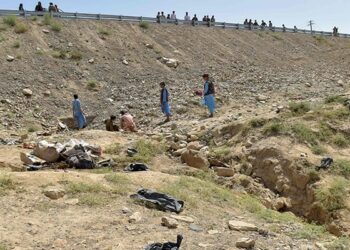
Photographs from the National Human Rights Commission depict rescue crews retrieving bodies from the flooded trench, with more than 17 bodies laid out on the ground. Arthur Kabulo, a provincial coordinator, estimated that over 10,000 illegal miners are active at Kalando, with operations suspended immediately following the tragedy. Long-standing issues like child labor, hazardous working conditions, and corruption continue to overshadow Congo’s vital cobalt industry, which is also tied to persistent regional conflicts stretching over decades.
 ChatGPT
 Perplexity
 Gemini AI
 Grok AI