Select Language:
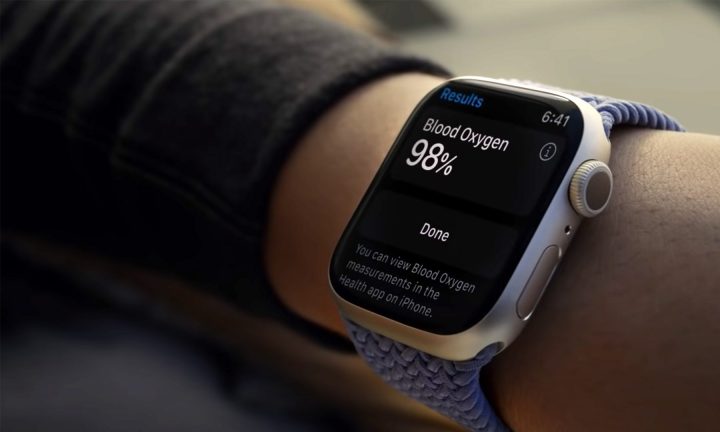
Apple has recently announced a software update that restores the blood oxygen measurement feature on the Apple Watch. This update brings the biosensing capability back to the Watch Series 9, Series 10, and the Apple Watch Ultra 2, but users need to update both their iPhone and smartwatch to the latest versions to access the feature.
What does this mean for users?
To use the blood oxygen feature on the Apple Watch Series 9, Series 10, and Ultra 2 again, owners must upgrade their devices to watchOS 11.6.1, which is now being released to users in the United States. Additionally, the feature will only work if their iPhone is updated to iOS 18.6.1, which was launched simultaneously.
Important change in how the feature works
This time around, instead of viewing blood oxygen readings directly on the watch face, users will need to open the Health app on their iPhone. The measurements are now processed on the paired phone rather than on the watch itself. This shift is due to a patent dispute over the technology used for pulse oximetry, which has limited the Apple Watch’s ability to display these measurements natively.
Apple explains that the blood oxygen data collected by the watch will be processed on the iPhone, and the results can be viewed in the Respiratory section of the Health app. For models unaffected by the patent issue, blood oxygen measurements will continue to be displayed directly on the watch screen.
Why the change was necessary
Previously, owners of certain Apple Watch models could monitor their blood oxygen saturation levels right on their wrists. However, due to a legal dispute with a company called Masimo and an import ban imposed by U.S. trade authorities, Apple had to disable this feature on some of its devices. The ban stemmed from patent infringement claims, leading to Apple pulling the functionality after a protracted legal struggle.
Despite the restrictions, Apple was working behind the scenes on a software workaround for the feature. In fact, it was known that the company had developed an alternative method of processing the data on the iPhone to bypass patent issues. However, it took over a year and a half for this solution to be rolled out to users.
Background on the dispute
The legal battle began when Masimo, a rival medical technology firm, filed lawsuits against Apple alleging patent infringement related to the blood oxygen sensing tech. The trade ban put a halt to the blood oxygen measurements for certain models, forcing Apple to disable the feature temporarily. Apple has publicly disagreed with Masimo’s claims, but the restrictions remained in place during the legal process.
Following the ruling, Apple swiftly moved to develop an alternative that would enable users to regain access to the measurement data, albeit in a different manner. With the latest update, they’ve finally made this workaround available, though the user experience has changed.
In summary
The return of blood oxygen measurement on the Apple Watch is a significant update, but it now relies on processing data on the iPhone rather than directly on the device. Owners of affected models will need to ensure their devices are updated with the latest software to regain this health monitoring feature. Despite the delays caused by legal disputes, Apple has managed to find a solution that allows users to continue tracking their health metrics, even if the method has shifted.
 ChatGPT
 Perplexity
 Gemini AI
 Grok AI