Select Language:
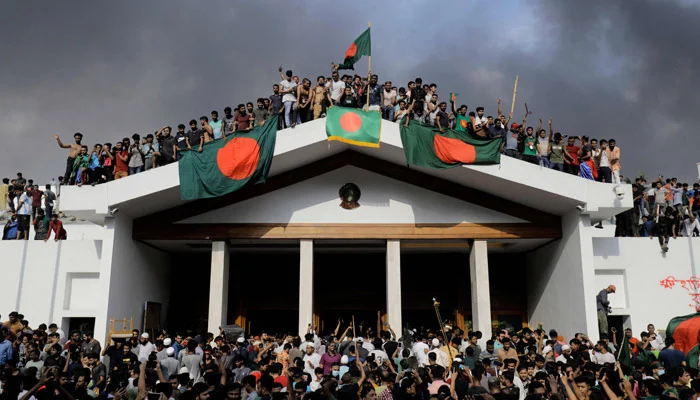
Bangladesh has been experiencing political unrest since a student-led uprising toppled former Prime Minister Sheikh Hasina in August 2024, ending her 15-year period of authoritarian rule. The country, with a population of around 170 million and a majority Muslim demographic, is preparing for its first elections following the upheaval, scheduled for February 12, 2026.
Key figures in this election include the interim government led by Muhammad Yunus, a Nobel Peace Prize laureate who returned from exile in August 2024 at the protesters’ request to serve as “chief advisor.” He plans to resign after the elections. Yunus describes inheriting a severely damaged political system and advocates for reforms that aim to balance power among the government, judiciary, and legislative bodies. A referendum on these proposed changes will occur simultaneously, with Yunus emphasizing that the reforms are designed to prevent a return to authoritarianism.
The Bangladesh Nationalist Party (BNP), under the leadership of Tarique Rahman, who returned from 17 years of exile in December 2025, is widely favored to win. Rahman’s mother, veteran BNP leader and former Prime Minister Khaleda Zia, died shortly after his return. The BNP campaign is supported by a broad coalition of leftist, centrist, and Islamist parties.
An Islamist alliance, dominated by Jamaat-e-Islami—which seeks re-entry into formal politics after years of bans and crackdowns—also runs in the elections. This coalition includes smaller parties such as the National Citizen Party, composed of student leaders who helped start the uprising, and fringe Islamist groups that previously held few parliamentary seats. Bangladesh’s diverse Islamic practices include a notable Sufi community that often faces conflict with hardline Islamists. While approximately 10% of Bangladeshis are non-Muslim, mainly Hindus, the country also has a small Christian minority.
The ruling Awami League, once the country’s most popular party and led by Sheikh Hasina, is now banned, following her sentencing to death in absentia for crimes against humanity in November. Her supporters might stand as independents, but party loyalty remains uncertain. Human Rights Watch has criticized the ban as excessively harsh, while Hasina has warned that conducting elections without her party could deepen divisions.
The military continues to hold a prominent role, with a history of coups influencing politics. Despite protests against her, the army chose not to intervene, and troops remain a visible presence alongside police forces.
International interest in Bangladesh’s election has grown, with regional powers reassessing their alliances. Relations with India, once a close partner under Hasina, have cooled. Meanwhile, Yunus’s diplomatic visits now lean toward China, signaling a shift in strategic ties, while Dhaka has strengthened its engagement with Pakistan, India’s regional rival.
 ChatGPT
 Perplexity
 Gemini AI
 Grok AI