Select Language:
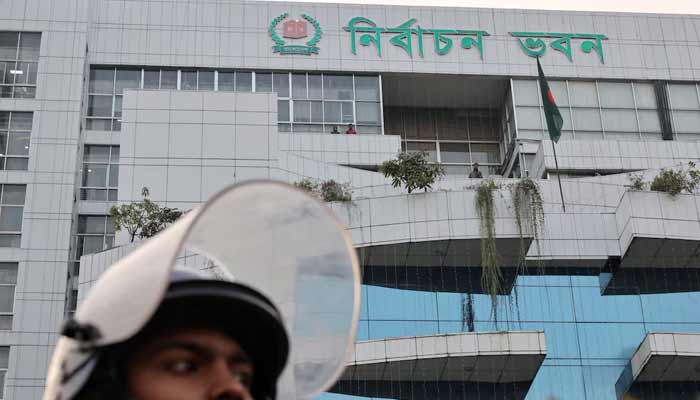
Bangladesh will hold parliamentary elections on February 12, following the recent unrest that prompted Prime Minister Sheikh Hasina’s government to flee to India last year. The country’s Election Commission announced the date this Thursday, marking the first nationwide vote since the deadly student protests.
Since then, an interim government led by Nobel laureate Muhammad Yunus has managed the Muslim-majority nation of 173 million people. However, mounting dissatisfaction over stalled reforms has sparked new protests and deepened political divisions.
On the same day, a referendum on the proposed “July Charter” — a comprehensive reform plan developed after the unrest — will also take place, according to Chief Election Commissioner AMM Nasir Uddin. The charter aims to make significant changes to state institutions: reducing executive power, boosting the independence of the judiciary and election authorities, and curbing the influence of law enforcement agencies.
The Bangladesh Nationalist Party (BNP), led by former Prime Minister Khaleda Zia, is widely considered the main contender in the upcoming elections. They are competing alongside Jamaat-e-Islami, the country’s largest Islamic party, which has re-entered electoral politics after restrictions were eased by the interim government.
Jamaat was previously unable to contest elections due to a 2013 court ruling that found its registration conflicted with Bangladesh’s secular constitution. Meanwhile, the National Citizen Party, formed by student leaders after the 2024 protests, trails behind BNP and Jamaat, struggling to turn street activism into electoral success.
Hasina’s Awami League, which is barred from running this election, has issued warnings of unrest if the ban isn’t lifted. Voters are focused on key issues such as restoring democratic governance, revitalizing the economy—a sector hurt by the disruptions affecting the export-driven garment industry—repairing strained relations with neighboring India, addressing corruption, and safeguarding media freedom.
 ChatGPT
 Perplexity
 Gemini AI
 Grok AI