Select Language:
The US is planning additional direct actions in the coming weeks, with shipowners now reevaluating whether to set sail from Venezuelan waters. According to Leavitt, the US won’t tolerate sanctioned vessels operating freely, emphasizing that they won’t stand by as vessels carrying black-market oil—funds that support illicit regimes around the world—continue to sail.
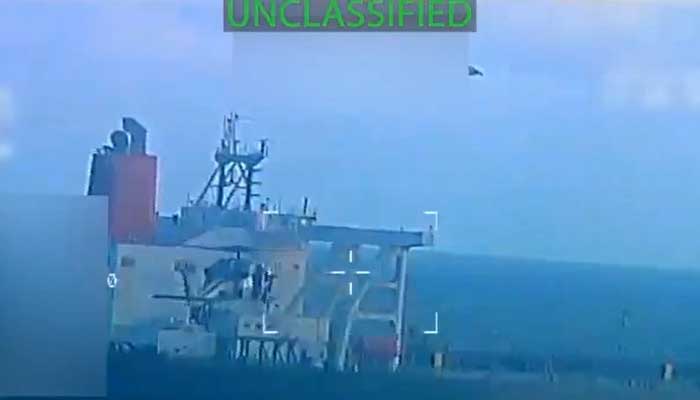
A list of targeted ships has been compiled for potential seizure, with plans developed over months by the Justice Department and Homeland Security. The recent move involved seizing a tanker, with authorities monitoring other vessels at sea and in ports. Many of these ships are aged, have opaque ownership, and operate without comprehensive insurance, making port acceptance difficult.
The seizure of the tanker “Skipper,” which had loaded Venezuelan crude, caused shippers to suspend three shipments totaling nearly 6 million barrels of Venezuela’s main export grade, Merey. These cargoes had just been loaded and were ready to voyage to Asia, but are now delayed as ships wait off the coast for safer passage.
US forces had increased surveillance close to Venezuela and Guyana, monitoring vessels both at sea and docked for repairs or loading, before acting. The seized vessel is expected to be taken to a US port for cargo confiscation through legal procedures.
Further seizures depend on how quickly ports can be prepared to receive and drain the vessels’ cargoes, many of which are old, poorly owned, and lightly insured—deterring port acceptance. The “Seahorse,” which is under UK and EU sanctions for trading with Russia, was also observed by US warships in November before heading into Venezuela.
Venezuelan officials have condemned the seizure as “international piracy,” but legal experts say under international law, such actions are not piracy since they are sanctioned by the US government. The US’s targeted list continues to expand, aiming to tighten economic pressure on Maduro’s regime, which argues that the military buildup is intended to overthrow him and take control of the country’s oil assets.
The US’s new approach targets the shadow fleet of tankers that transport sanctioned oil to China, often on multiple routes for Iran, Venezuela, and Russia. The “Skipper” was part of these operations, prompting some shippers to halt voyages to Asia temporarily. Now, ships are waiting offshore for the situation to stabilize.
US authorities are actively monitoring ships near Venezuela, intervening before vessels enter international waters. Several sanctioned ships have been detained or observed in the region, with plans to seize and unload their cargoes at US ports when feasible. Many vessels involved are old, with owners who lack transparency and insurance coverage, complicating port acceptance.
While the Venezuelan government labels these seizures as acts of piracy, legal experts affirm that they do not qualify under international law, given they are executed following US sanctions policies.
 ChatGPT
 Perplexity
 Gemini AI
 Grok AI