Select Language:
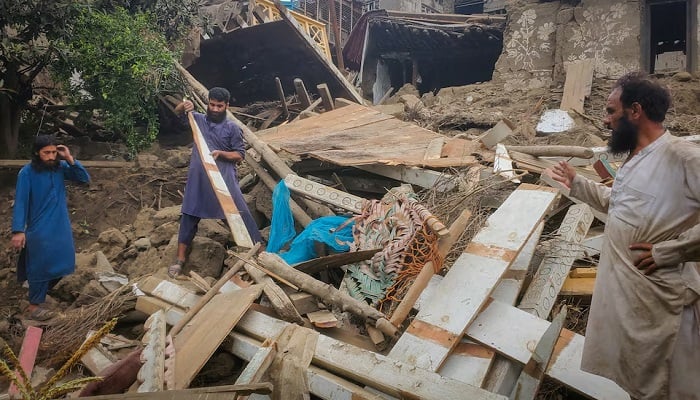
Afghan earthquake survivors are camping outdoors without tents, fearing aftershocks that could cause further landslides. More than 2,200 deaths and over 3,600 injuries have been reported following the magnitude-6 quakes last week, which destroyed thousands of homes. Aid helicopters have delivered some supplies, but aid distribution remains inconsistent and slow. Many villages are isolated, with poor infrastructure and homes made of mud and stone quickly crumbling during the tremors. Families are living in makeshift camps along roads and open fields. In Masud village, 67-year-old farmer Adam Khan explained, “We have no shelter, not even a tent. It rained last night, and we had nowhere to hide. Our biggest fear is big rocks falling at any moment.” Some residents, like 40-year-old farmer Shams-ur-Rahman, have lost multiple relatives and fled with their families, sitting outdoors with their limited belongings. Others, such as Gul Ahmad, 51, believe their displacement might be permanent, insisting they cannot return home without proper shelter and demanding government assistance. International aid groups warn that without adequate sanitation, food, and shelter, disease and poverty could worsen in one of the world’s poorest, most earthquake-prone nations. Children are especially vulnerable; 12-year-old Sadiq, trapped for 11 hours beneath rubble, lost his grandmother and cousin and recalls, “I thought I would die. It felt like doomsday.”
 ChatGPT
 Perplexity
 Gemini AI
 Grok AI