Select Language:
In 2024, Hollywood was shaken by protests from the SAG-AFTRA union, which demanded fair rights concerning their physical and vocal identities in the era of AI. A contract was finalized late last year to ensure proper compensation for artists, yet the underlying tensions were evident.
The integration of AI in filmmaking is becoming a permanent fixture.
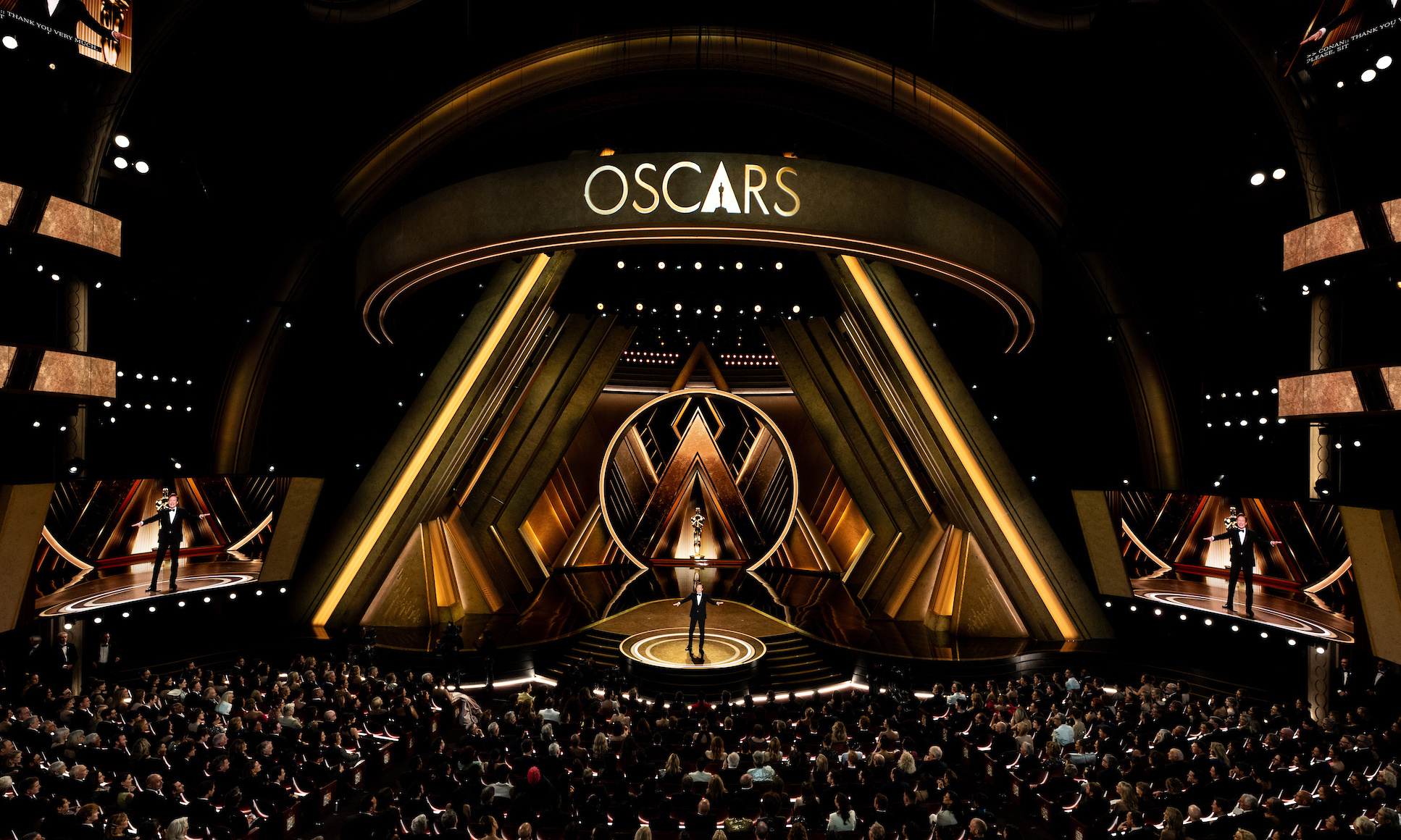
If there were any doubts about AI's future in Hollywood, the Academy of Motion Picture Arts and Sciences has now put them to rest. The organization behind the esteemed Oscars has declared its acceptance of generative AI in cinematic productions.
“In terms of generative artificial intelligence and other digital tools utilized during film production, these tools neither enhance nor detract from the likelihood of receiving a nomination,” the Academy stated. Simply put, the outcome of the work is what counts.
AI is now mainstream in filmmaking
It's important to focus on "generative AI" rather than the general term AI. The film industry has been employing AI technologies for some time. Filmmakers utilize platforms like Axle AI for face recognition, scene identification, and transcription tasks.
Emotion Sense technology by Magisto bolsters video editing, while Strada AI aids in file management and remote editing. DJI has integrated AI-driven autofocus for sharper focus in projects like Alex Garland’s Civil War.
Twelve Labs provides tools for scene recognition, and Luma AI assists with 3D scene rendering. These applications harness AI for technical functions, but they do not typically create the core content that defines films, such as imagery and voices.
Can AI-generated films compete for Oscars?
Generative AI refers to a specific set of tools that can produce content. For example, a chatbot could draft a complete script, while tools like Google’s Imagen or Midjourney generate imagery from text prompts. Newer technologies, like OpenAI’s Sora or Google’s Veo, can even produce hyper-realistic or cinematic video clips.
This raises concerns: if a video is created by AI, it could potentially displace human artists. The same applies to voice generation and dubbing, which can now mimic human voices with disturbing accuracy.
There's already a history of backlash against such practices. Marvel faced criticism for using AI-generated visuals in the opening credits of its Secret Invasion series. The AI engine Runaway was used in the acclaimed film Everything Everywhere All at Once.
So, how far can generative AI be involved before facing disqualification from the Oscars? There are no explicit regulations in place, and the Academy's language remains ambiguous.
How much AI is too much for the Oscars?
The Academy asserts, “The Academy and its respective branches will evaluate the achievement, considering how much of the creative process involved human input when determining which films to honor.”
Essentially, this places the decision of a film's artistic merit in the hands of human voters, which means personal biases about the role of generative AI will likely influence their choices.
Moreover, notable figures like James Cameron, a multiple Academy Award winner, now serves on the board of AI company StabilityAI, which is at the forefront of generative AI and is embroiled in significant copyright lawsuits against Getty Images and artists.
Despite these controversies, the momentum behind AI in entertainment shows no signs of slowing down. The gaming industry is also adopting generative AI tools following significant union protests last year, with companies like Microsoft developing to incorporate AI assets into games.
Would you be interested in playing a game created by AI? That's a matter for discussion. Should the Academy preserve the integrity of filmmaking against a tool notorious for its questionable and unethical use of human works for training purposes? That question appears to have been answered.
 ChatGPT
 Perplexity
 Gemini AI
 Grok AI