Select Language:
- U.S. strikes targeted Iran’s nuclear facilities in Fordo, Isfahan, and Natanz.
- Two of the sites are reportedly reparable and could resume uranium enrichment soon.
- The Pentagon had a plan for a weeks-long bombing campaign.
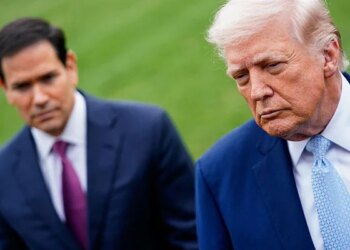
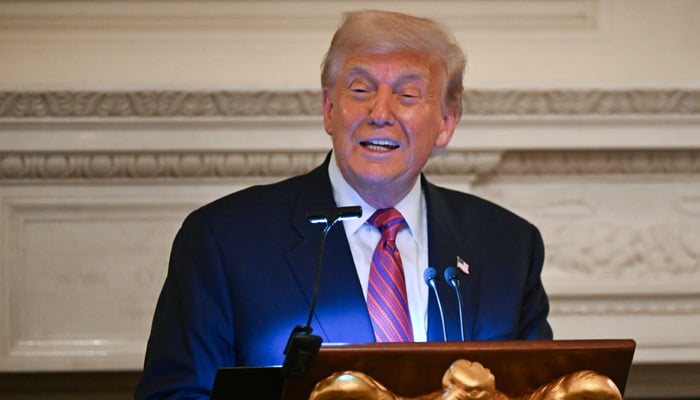
On Saturday, President Donald Trump reiterated that U.S. airstrikes on Iranian nuclear sites had “completely destroyed” these facilities, despite reports indicating that some managed to survive the attacks.
Through his Truth Social platform, Trump maintained his assertion that “all three nuclear sites in Iran were entirely obliterated.”
He claimed that it would “take years to bring them back online, and if Iran chooses to rebuild, it would be far better off starting fresh at three different locations.”
The U.S. launched bombings on June 22, targeting Iran’s contentious nuclear program, including the uranium enrichment site at Fordo, situated south of Tehran, along with facilities in Isfahan and Natanz.
This offensive coincided with an Israeli initiative against Iranian nuclear and military assets and was promoted by Washington as a decisive blow to a protracted covert nuclear weapons development effort.
Iran has consistently maintained that it has not sought to militarize its civilian nuclear energy program.
In contrast to Trump’s assertions of a total victory, several American news outlets have reported about leaked intelligence that paints a more complex scenario.
Most recently, an NBC News article cast doubt on Trump’s claims, quoting a military damage assessment that noted only one of the three nuclear sites was largely destroyed.
The other two sites were assessed as having repairable damage, potentially enabling the resumption of uranium enrichment activities within “the next several months,” according to the report, which cited five current and former U.S. officials familiar with the assessment.
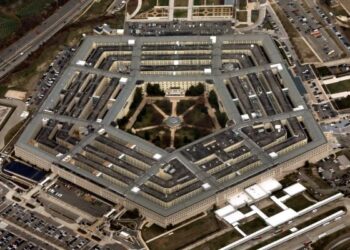
Furthermore, NBC reported that the Pentagon had prepared a more extensive bombing campaign aimed at inflicting even greater damage on Iran’s facilities, which would have lasted several weeks—a plan that Trump ultimately chose not to pursue due to concerns over potential casualties and complications in the conflict.
 ChatGPT
 Perplexity
 Gemini AI
 Grok AI