Select Language:
- Procedural vote opens the door for a late-night debate.
- Modifications made to Medicaid and local tax regulations.
- Nonpartisan analysts project the bill will increase the national debt by $4 trillion.
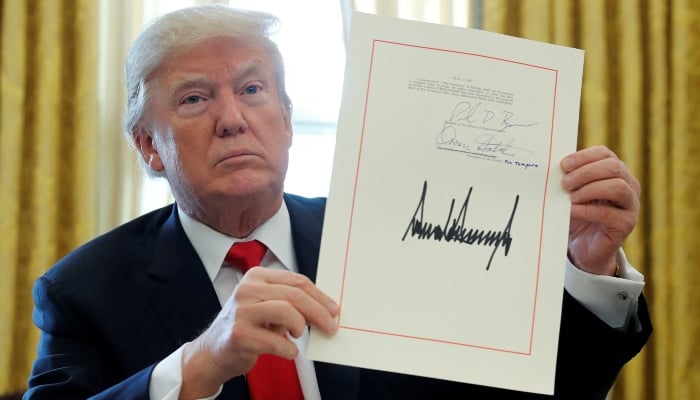
WASHINGTON: The U.S. Senate moved forward with President Donald Trump’s extensive tax-cut and spending proposal on Saturday, as billionaire Elon Musk cautioned that the proposed legislation could “eliminate millions of jobs” and inflict significant strategic damage on the nation.
Musk criticized the proposal as “completely irrational and harmful,” arguing that it favors outdated industries while stifling emerging ones.
His comments followed a crucial procedural vote that passed 51-49, increasing the likelihood that Congress will be able to approve Trump’s “big, beautiful bill” within days, which is a top priority for his administration.
This procedural vote initiated discussions surrounding the 940-page measure designed to fund Trump’s key initiatives related to immigration, border security, tax cuts, and military spending, after hours of delays.
The vote saw more than three hours of standoff as three Republican senators—Thom Tillis, Ron Johnson, and Rand Paul—cast their votes against the bill, joining Democratic opposition. Meanwhile, Senators Rick Scott, Mike Lee, and Cynthia Lummis were in negotiations with Republican leaders overnight looking for deeper spending cuts.
Ultimately, Johnson changed his vote from no to yes, leaving only Paul and Tillis against it from the Republican side.
Trump monitored the proceedings from the Oval Office late into the night, according to a senior White House official.
This major legislation aims to extend the tax cuts enacted in 2017, which were a hallmark achievement during Trump’s first term, along with implementing additional tax reductions and increasing funding for military and border security.
Nonpartisan evaluations suggest that the current version of Trump’s tax-cut and spending bill could add trillions to the existing $36.2 trillion national debt.
Democrats vehemently opposed the bill, arguing that its tax-cut components would primarily benefit the affluent, thereby undermining essential social programs relied upon by lower-income Americans.
Chuck Schumer, the leading Senate Democrat, insisted that the bill be read in full before any discussions began, asserting that Senate Republicans were hastily trying to approve a “radical bill.”
“If Senate Republicans won’t reveal what’s in this legislation, then Democrats will force the chamber to read it from start to finish,” the New York senator asserted.
 ChatGPT
 Perplexity
 Gemini AI
 Grok AI