Select Language:
In just over a month, Apple is expected to unveil a new lineup of iPhones. Rumors suggest a major redesign focused on the camera system for the high-end “Pro” models, along with a sleek new ultra-thin sibling branded as “Air.” While this year’s Apple Watch may not steal the show at the fall event, its successor could be a game-changer I’ve been eagerly awaiting for years.
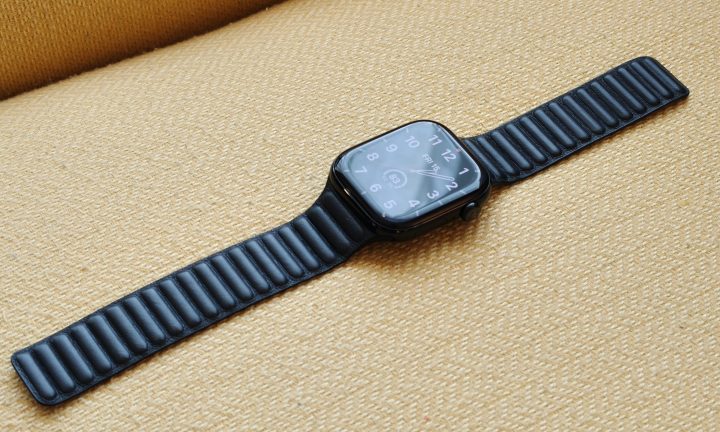
According to supply chain reports, the Apple Watch Series 12, anticipated in 2026, is poised to undergo a significant upgrade, both in appearance and functionality. The premium model is expected to feature advanced sensors and a redesigned exterior, with a focus on improved sensing technology.
One of the most notable improvements could be the doubling of sensors on the watch, increasing from four to eight. These sensors will be arranged in a ring shape underneath a transparent glass cover, opening doors to new health-tracking capabilities while also enhancing battery efficiency.
The next iteration of the Apple Watch is rumored to include blood pressure monitoring, relying on a light-based technique similar to what’s seen on some Samsung models. While it may not provide exact systolic and diastolic readings, it could offer alerts about unusual spikes or drops. Additionally, there’s ongoing development of non-invasive blood glucose measurement technology. Previous efforts, such as GlucoCheck developed at Georgia’s Kennesaw State University and Movano’s needle-free wearable, suggest that Apple may soon incorporate these features—a move that would signify a substantial advancement for health tracking on wearables.
Battery life is also expected to see improvements through a shift to a next-generation sensor hub, which could significantly boost power efficiency. Over recent years, some Wear OS smartwatches, like the OnePlus Watch 2, have achieved more than two days of use per charge thanks to their design and software optimizations. Currently, Apple Watches typically last less than a full day, so a notable enhancement in longevity would be welcome.
Design-wise, the 2026 model is said to feature a major overhaul, marking the first significant redesign since its introduction. While specifics are scarce, a fresh look could include a more streamlined form factor and possibly the addition of cameras, although it’s unclear whether the 2026 device will be the first to feature this upgrade. Historically, Apple has maintained a consistent design language for its watches, with minor changes such as a slimmer profile and curved display, but a complete redesign could redefine the product line.
Overall, these anticipated advancements in health sensing, battery life, and design suggest that the 2026 Apple Watch could set new standards in wearable technology, combining innovative health features with a fresh aesthetic.
 ChatGPT
 Perplexity
 Gemini AI
 Grok AI