Select Language:
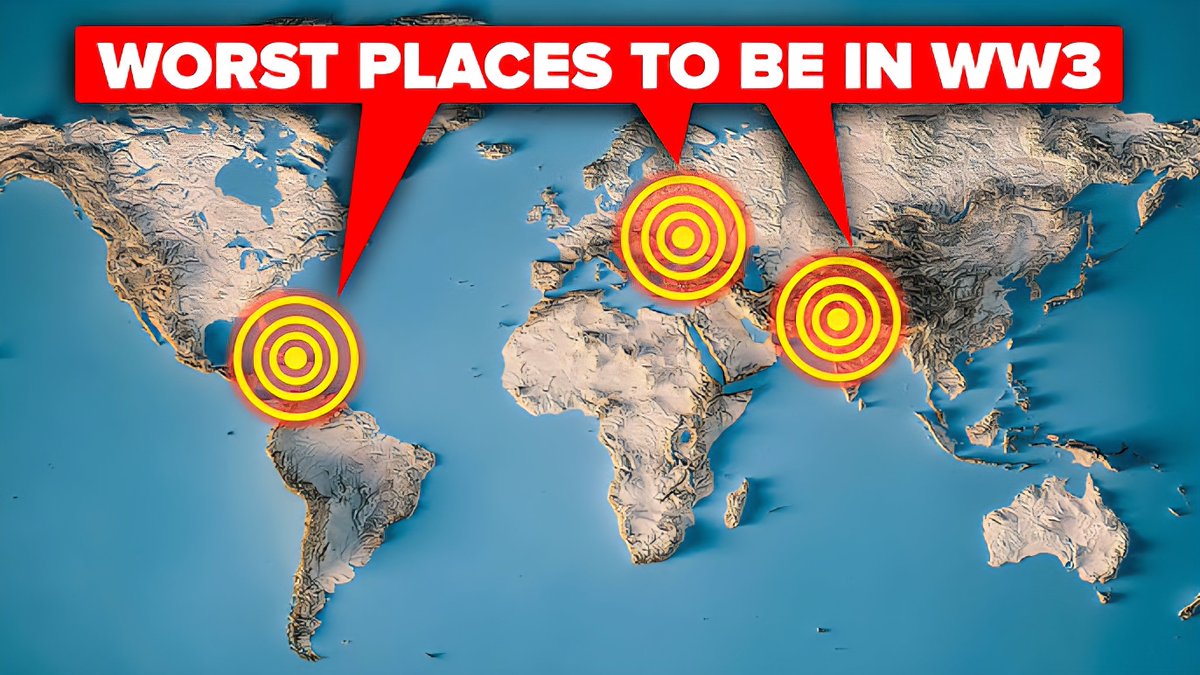
Top 10 Countries Most Vulnerable in a Potential Global Conflict
1. United States
As a primary global superpower with extensive military bases around the world and the world’s largest nuclear arsenal, the United States remains a prime target in any large-scale conflict. Its strategic importance and technological edge make it both a key defender and a formidable adversary, but in the scenario of a global war, U.S. soil could be at risk of missile strikes or cyberattacks aimed at critical infrastructure.
2. Russia
Russia’s massive nuclear capabilities and historical involvement in global conflicts position it at the forefront of potential battlegrounds. Its vast landmass, military installations, and strategic interests in Europe and Asia increase the likelihood of targeted attacks, especially considering ongoing conflicts in Eastern Europe, the Middle East, and the Arctic region.
3. China
As a rising superpower with advanced military technology and the world’s largest population, China’s role in any global war could be pivotal. Its economic targets and strategic locations across Asia and the Pacific make it vulnerable to both direct military confrontation and cyber warfare, especially considering tense territorial disputes in the South China Sea.
4. India
India’s nuclear capabilities, large military, and regional tensions with neighboring Pakistan and China put it in a precarious position during a worldwide conflict. Its strategic importance in South Asia and growing global alliances could draw it into the crossfire, particularly if conflicts extend to broader alliances.
5. Pakistan
Pakistan’s nuclear arsenal and ongoing tensions with India make it a significant flashpoint. In a world war, it could become a target for preemptive strikes or regional conflicts, especially given its geopolitical importance in South Asia and alliances with China.
6. Israel
Embedded in a volatile Middle East, Israel’s military strength and nuclear ambiguity make it a significant regional player. During global conflicts, Israel risks being a focal point for international attacks, given the longstanding regional conflicts and alliances.
7. Iran
Iran’s strategic location and nuclear ambitions place it high on the list for potential conflict. Its involvement in Middle Eastern conflicts and relationships with other nations could turn it into a critical battleground or target in a global war scenario.
8. North Korea
North Korea’s unpredictable military stance and nuclear capabilities pose a significant threat to regional stability. Its missile tests and isolated status make it vulnerable to preemptive strikes or escalation, especially if global tension intensifies.
9. South Korea
Heavily targeted by North Korea, South Korea’s proximity to conflict zones and advanced military infrastructure also make it a critical battlefield in any regional or global conflict involving North Korea.
10. Taiwan
China’s claim over Taiwan and the island’s strategic importance in global trade and technology make it a flashpoint. Any escalation involving China could swiftly draw Taiwan into the broader conflict, risking invasion or military strikes.
Additional Countries on the Radar
- Japan: A close U.S. ally, Japan’s strategic location and advanced military make it vulnerable, especially considering the threat from North Korea and regional power struggles.
- United Kingdom & France: As nuclear-armed allies within NATO, these European nations are vital strategic locations that could face missile strikes or cyberattacks.
- Ukraine & Poland: The ongoing conflict in Ukraine and Poland’s NATO membership make Eastern Europe a hotspot for potential escalation.
- Middle East & Gulf Countries: Syria, Iraq, Saudi Arabia, UAE, and Qatar are critical due to their energy resources and geopolitical tensions.
Impacted Regions and Why They’re at Risk
These countries are highlighted because of their nuclear capabilities, active conflicts, strategic military alliances, major trade routes, and access to vital oil and technology hubs. In a scenario of global conflict, these nations are most likely to face direct military strikes, cyber warfare, or destabilizing interventions.
Conclusion
While no place on Earth can be considered completely safe in the event of a global war, the nations listed above are more prone to direct impact due to their strategic importance and military strength. In 2025, geopolitical tensions continue to simmer, emphasizing the need for diplomacy and international stability to avoid escalating to such catastrophic levels.
Source: Strategic military assessments, ongoing conflict analysis, nuclear capabilities, and alliance data compiled by independent defense analysts in 2025.
 ChatGPT
 Perplexity
 Gemini AI
 Grok AI