Select Language:
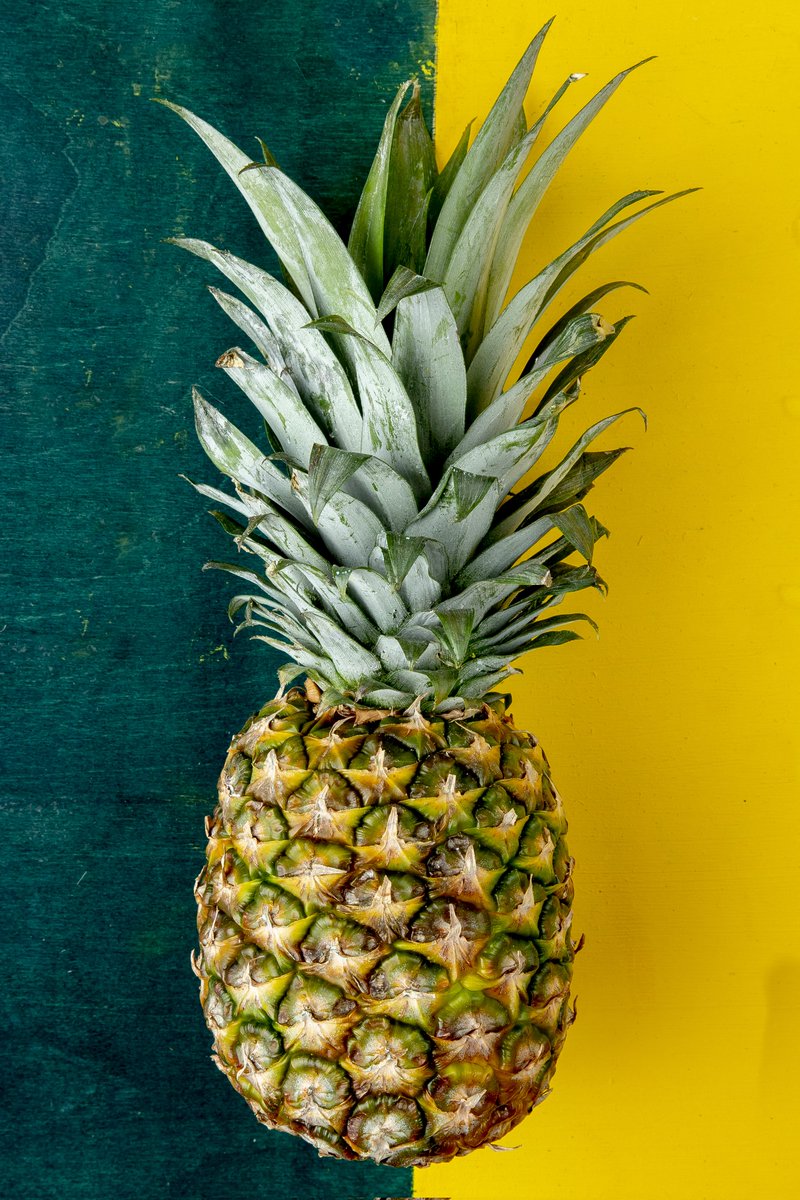
1. Unique Names for Pineapple Around the Globe
Across the world, the sweet, tropical fruit known as pineapple has a variety of names, shedding light on the rich linguistic diversity of different cultures. In English, it’s simply called “Pineapple.” However, in French, it’s known as “Ananas,” a term shared by many European languages, including German, Italian, Dutch, Swedish, and Danish. These languages tend to use the same word, highlighting historical influences on language development.
In contrast, Portuguese speakers distinguish between European Portuguese’s “Ananás” and Brazilian Portuguese’s “Abacaxi,” reflecting regional linguistic differences. Spanish-speaking countries generally call it “Piña,” although some South American regions prefer “Ananás” or “Ananá.”
2. Names in Asian Languages
Asian languages showcase a wide variety of terms for pineapple. In Hindi, it is called “अनन्नास” (Anannās), whereas in Bengali, it’s “আনারস” (Ānārasa). South Indian languages like Tamil, Telugu, and Malayalam have distinct names: “அன்னாசி” (Annāci), “అనాసపండు” (Anāsapaṇḍu), and “പൈനാപ്പിൾ” (Paināppiḷ), respectively.
In East Asia, the fruit bears familiar names: “パイナップル” (Painappuru) in Japanese, “파인애플” (Pain-aepeul) in Korean, and “菠萝” (Bōluó) or “凤梨” (Fènglí) in Mandarin Chinese, depending on the region. These variations mirror cultural preferences and local dialects.
3. Europe’s Many Variations
Europe’s linguistic landscape reflects rich diversity through the words used for pineapple. While most languages simply adapt the original “Ananas,” some regional languages have unique terms. For instance, in Catalan, it is “Pinya,” and in Basque, “Ananasa.” The Greek “Ανανάς” (Ananás) emphasizes the familiarity of the fruit in Mediterranean diet and commerce.
4. African and Middle Eastern Languages
In Africa, languages such as Swahili call it “Nanasi,” while Hausa refers to it as “Abarba.” The Arabic-speaking world calls it “أناناس” (Anānās), which resembles the European “Ananas.” Similarly, Hebrew speakers use “אננס” (Ananas), underscoring shared linguistic roots.
In Middle Eastern cultures, the diversity continues with Turkish “Ananas” and Turkish dialects often inheriting European terminology.
5. Indigenous and Austronesian Languages
Many indigenous and island languages have colorful names. Tagalog, spoken in the Philippines, calls it “Pinya,” while Indonesian and Malay speak of “Nanas.” In Oceania, languages like Fijian refer to it as “Painapi,” signifying traditional usage.
In languages like Malagasy in Madagascar, the fruit is called “Mananasy,” maintaining local flavor. These names reflect the importance of pineapple in local diets and markets for centuries.
6. The Tongue-Twisters of Nomenclature
Some countries show interesting regional shifts. In Taiwan and parts of China, “凤梨” (Fènglí) is an alternative to the standard “菠萝” (Bōluó), mainly used in supermarkets. Similarly, in different Caribbean islands, “Ananas” or “Pine-apple” are common, reflecting colonial influences and linguistic blending.
7. An Example of Cultural Significance
In some regions, the pineapple is more than just a fruit; it symbolizes hospitality and prosperity. For example, in the southeastern United States, the term “Pineapple” often evokes imagery of warmth and welcoming. In many cultures, the fruit’s name, whether spelled out or spoken softly, evokes a sense of tropical paradise.
8. Other Noteworthy Names
While the standard trove of words reveals much about linguistic history, some countries create compound names or nicknames. In the former Dutch colonies, the word “Ananas” is generally used, but in Brazilian Portuguese, “Abacaxi” is more common and colloquially playful, often used in idiomatic expressions.
Summary Chart of Global Pineapple Names
| Region | Language | Name for Pineapple | Notes |
|---|---|---|---|
| North America | English | Pineapple | |
| Europe | French | Ananas | Shared across multiple languages |
| South America | Portuguese (Brazilian) | Abacaxi | Local slang usage |
| Asia | Hindi | अनन्नास | South Asian diversity |
| Southeast Asia | Tagalog | Pinya | Philippines |
| Africa | Swahili | Nanasi | East African usage |
| Middle East | Arabic | أناناس | Common in Arab countries |
| Oceania | Fijian | Painapi | Local terminology |
The diversity of names for the pineapple illuminates the fruit’s global reach, cultural significance, and the way language uniquely shapes our perception of even the simplest of foods. Whether called “Ananas,” “Pineapple,” or “Pinya,” this tropical treasure continues to unite the world through its sweet flavor and vibrant history.
 ChatGPT
 Perplexity
 Gemini AI
 Grok AI