Select Language:
Different Names for Gasoline Across the Globe
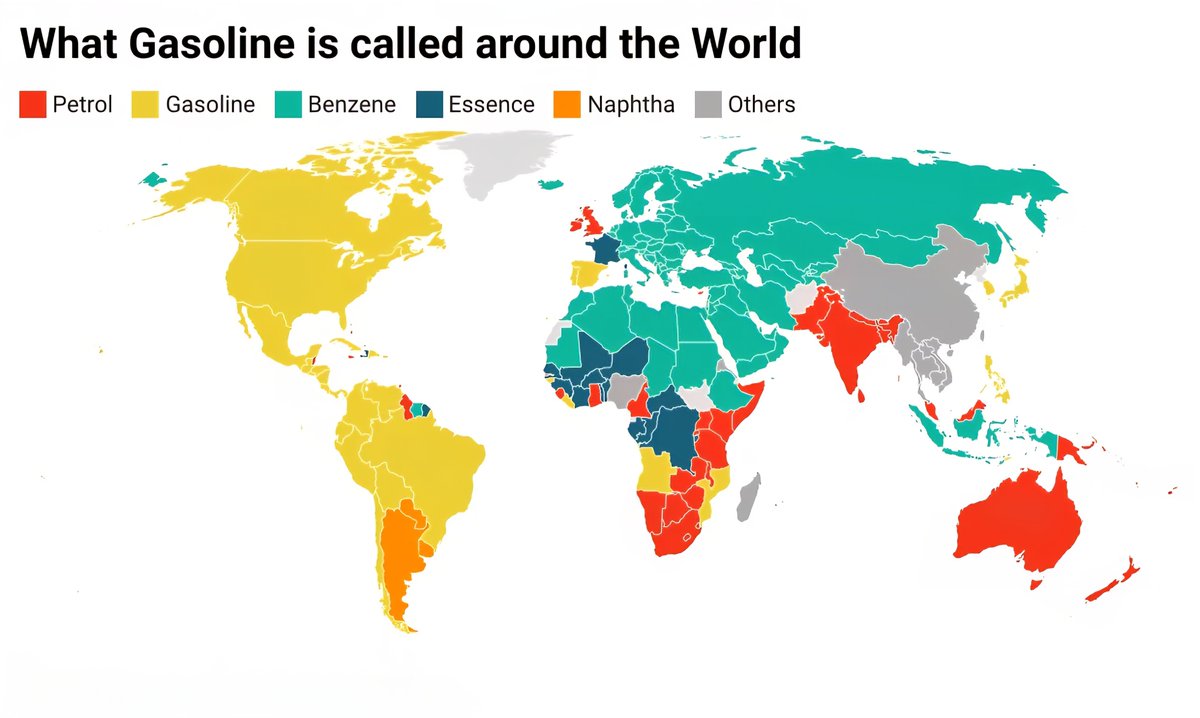
1. Gasoline in the United States and Canada
In North America, the term gasoline is predominantly used, often shortened to gas. When you stop at a convenience store or a gas station, you’re likely to hear phrases like “Fill ‘er up with gas,” or simply, “Where’s the closest gas station?” This term has been standard for decades and is deeply ingrained in everyday language throughout the U.S. and Canada.
2. Petrol in the United Kingdom and Australia
Across the Atlantic, in countries like the UK and Australia, the word petrol is the go-to term. You’ll notice signs that read “Petrol Station,” and conversations often refer to “buying petrol” when filling up the vehicle. This terminology has historical roots dating back to the early days of motor vehicles when petrol became the standard fuel.
3. Benzin in Germany, Austria, and Switzerland
In German-speaking countries, the term Benzin is used for gasoline. For instance, in Germany, Austria, and Switzerland, signs say “Benzinpreise” to indicate fuel prices. The word itself is derived from Benzene, a component of the fuel, and has been a part of Europe’s automotive language for generations.
4. Essense in South Africa
South Africa refers to gasoline as essence, a term that has persisted into the modern era despite changes in language. When filling up in South Africa, you might hear, “Could you pump some essence into the tank?” This term is an echo of colonial influences and European language traditions.
5. Gasoline in Latin America and the Caribbean
In many Latin American countries, such as Mexico and Argentina, gasolina is the standard term. In Caribbean nations like Jamaica, gasoline is broadly understood, but local dialects may also include terms like petrol, especially in countries with British historical influence.
6. Toluene or Jet Fuel in Specific Contexts
In certain specialized contexts, especially in industrial or aviation settings, the terms toluene or jet fuel are used. Although not interchangeable with gasoline in everyday language, these high-performance fuels are critical in specific sectors. For instance, Jet-A fuel is used in commercial aviation, a term foreign to passenger vehicle drivers but relevant in fuel industry discussions.
7. Regional Variations in Naming Conventions
Besides those main terms, regional slang also creeps into the vernacular. For example, in parts of Ireland and the UK, mileage or carbohydrates might be playfully used in conversations about fuel, though such terms are more colloquial and less formal.
Final Thoughts
The words we use for gasoline reflect historical, cultural, and linguistic differences around the world. From gas and petrol to Benzin and essence, each term tells a story about the country’s automotive history and linguistic heritage. As global transportation continues to evolve with electric vehicles and alternative fuels, these terms will likely shift or even fade, but for now, they remain an integral part of everyday language.
Note: The image above showcases a typical gas station scene, emphasizing the commonality of fuel-related terminology across different regions.
 ChatGPT
 Perplexity
 Gemini AI
 Grok AI