Select Language:
The Legal Landscape Surrounding Holocaust Denial in 2025
1. Growing Global Debate on Freedom of Speech and Hate Speech
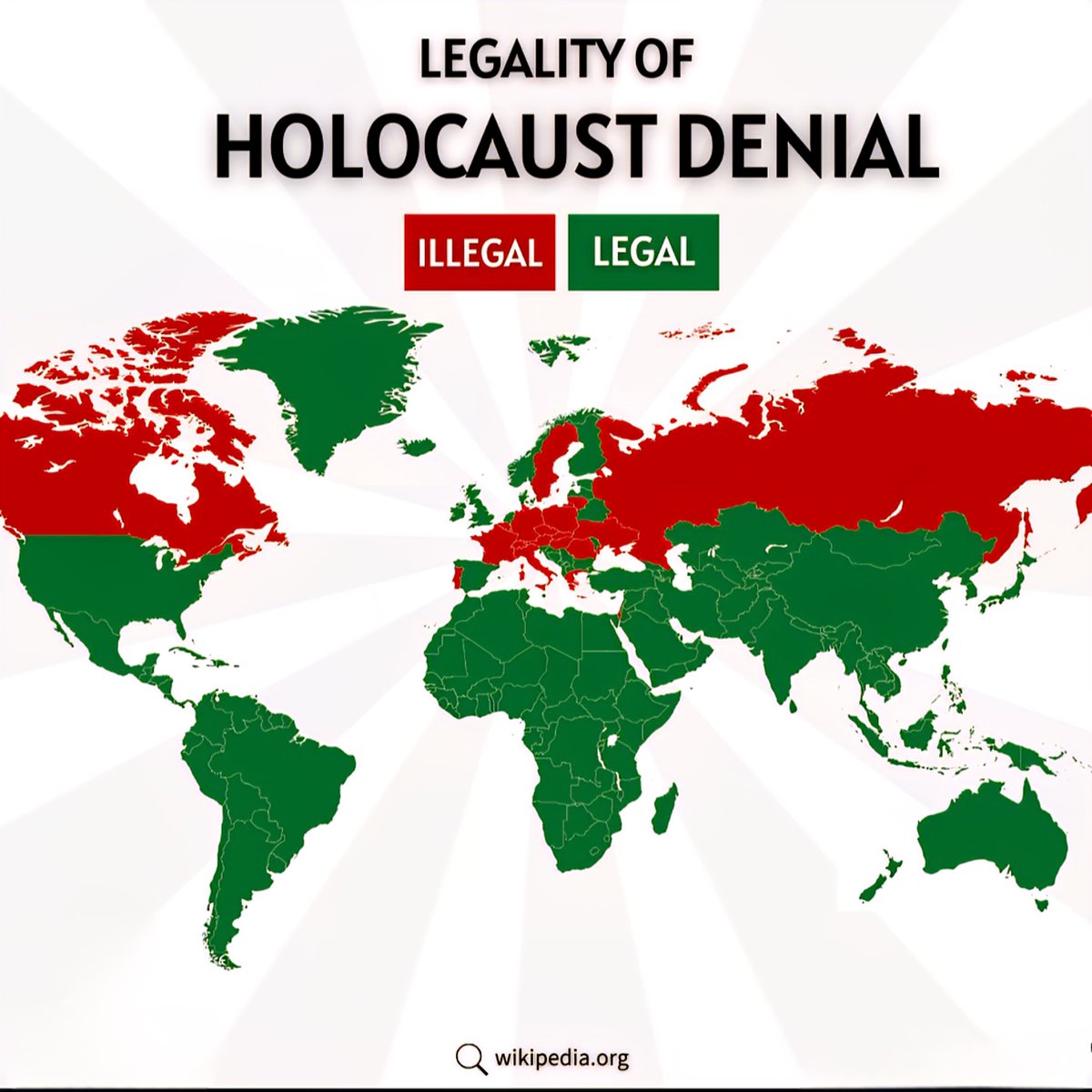
In 2025, countries worldwide continue to grapple with the delicate balance between upholding free speech and protecting communities from hate speech, especially when it pertains to Holocaust denial. While some nations emphasize individual rights, others prioritize preventing hate crimes. For instance, many European countries—such as Germany and France—maintain strict laws criminalizing Holocaust denial, citing the need to prevent hate-mongering and antisemitism. Conversely, countries like the United States uphold the First Amendment, often viewing Holocaust denial as a protected form of free speech, though with ongoing legal challenges. This ongoing debate underscores how legal standards vary, influenced by historical context and societal values.
2. Legal Restrictions on Holocaust Denial in Europe and Their Impact
Europe remains at the forefront of legislating against Holocaust denial. Countries like Germany, Austria, Poland, and the Czech Republic have comprehensive laws criminalizing any denial or trivialization of Nazi atrocities. These laws are rooted in their historical experiences and aim to prevent hate speech and protect minority communities. For example, in Germany, denial or downplaying of Nazi crimes is punishable by up to five years in prison. These legal measures have historically succeeded in curbing public Holocaust denial, but they also raise discussions about censorship and academic freedom. European courts often validate these laws as necessary to preserve social harmony and prevent the resurgence of extremism.
3. The Role of the United States and Free Speech Protections
In contrast, the United States’ legal stance on Holocaust denial remains largely rooted in First Amendment protections. While Holocaust denial can lead to social and professional consequences, its legality as free speech is generally upheld unless it incites violence or constitutes defamation. However, high-profile cases, such as social media platforms removing Holocaust denial content, have ignited fierce debates. Critics argue that such removals threaten free expression, whereas opponents view them as crucial steps to combat misinformation and hate speech. As technology advances, legal battles around digital platforms and Holocaust denial content continue to shape the country’s approach.
4. Legal Actions and Prosecutions Around the World
Despite varying legal frameworks, there have been notable prosecutions in recent years. For instance, in 2025, several countries have brought criminal charges against individuals who publicly deny or minimize the Holocaust. Notably, European courts continue to impose fines and prison sentences on Holocaust deniers, reinforcing their countries’ firm stance. Moreover, new legislation in some parts of Eastern Europe aims to intensify penal measures against such denial activities. These legal actions serve as both a warning and a reminder that Holocaust denial remains a serious offense in many jurisdictions. However, a few countries still lack comprehensive laws, leading to ongoing international advocacy for stronger legal protections.
5. The Challenge of Online Misinformation and Social Media Regulation
The proliferation of misinformation over social media platforms in 2025 presents a new challenge in combating Holocaust denial. Many platforms struggle to balance free speech with moderation policies. While some have taken steps to restrict Holocaust denial content, critics argue these measures sometimes infringe on free expression rights. Governments are increasingly pressuring digital companies to implement stricter regulations, including removing hateful content swiftly. The controversy continues as activists and policymakers debate whether online regulation should be more rigorous or if it threatens democratic freedoms. Ultimately, the landscape remains complex as society seeks effective methods to curb misinformation without infringing on rights.
6. The Ethical Dilemma: Free Speech vs. Historical Responsibility
The ongoing legal discussions highlight a core ethical dilemma: Should society protect the right to deny the Holocaust, or does such denial pose a threat to historical truth and societal cohesion? Many experts emphasize the importance of historical education and remembrance, arguing that criminalizing denial is essential for safeguarding collective memory and preventing the resurgence of extremism. Conversely, some civil liberties advocates caution against overly restrictive laws, warning they may set dangerous precedents for free expression. In 2025, this debate continues to spark heated discussions among lawmakers, historians, and human rights organizations worldwide.
7. International Resolutions and Moving Forward
International organizations like the United Nations and the European Union continue to advocate for stronger legal measures against Holocaust denial. They emphasize that combating denial is part of broader efforts to combat antisemitism and uphold human rights. New resolutions in 2025 call for member states to review and strengthen their laws related to hate speech, including Holocaust denial. While progress has been made, real-world challenges remain—particularly in countries with minimal legal restrictions. Moving forward, a collaborative international approach may be key to addressing this sensitive issue while respecting individual rights.
In an era where history’s lessons are more relevant than ever, understanding the legal frameworks surrounding Holocaust denial remains essential. As nations navigate the complex terrain of free speech, hate crimes, and historical responsibility, finding a balanced approach that respects both individual rights and societal safety continues to be a key challenge in 2025.
 ChatGPT
 Perplexity
 Gemini AI
 Grok AI