Select Language:
All Three Statements Are True at the Same Time
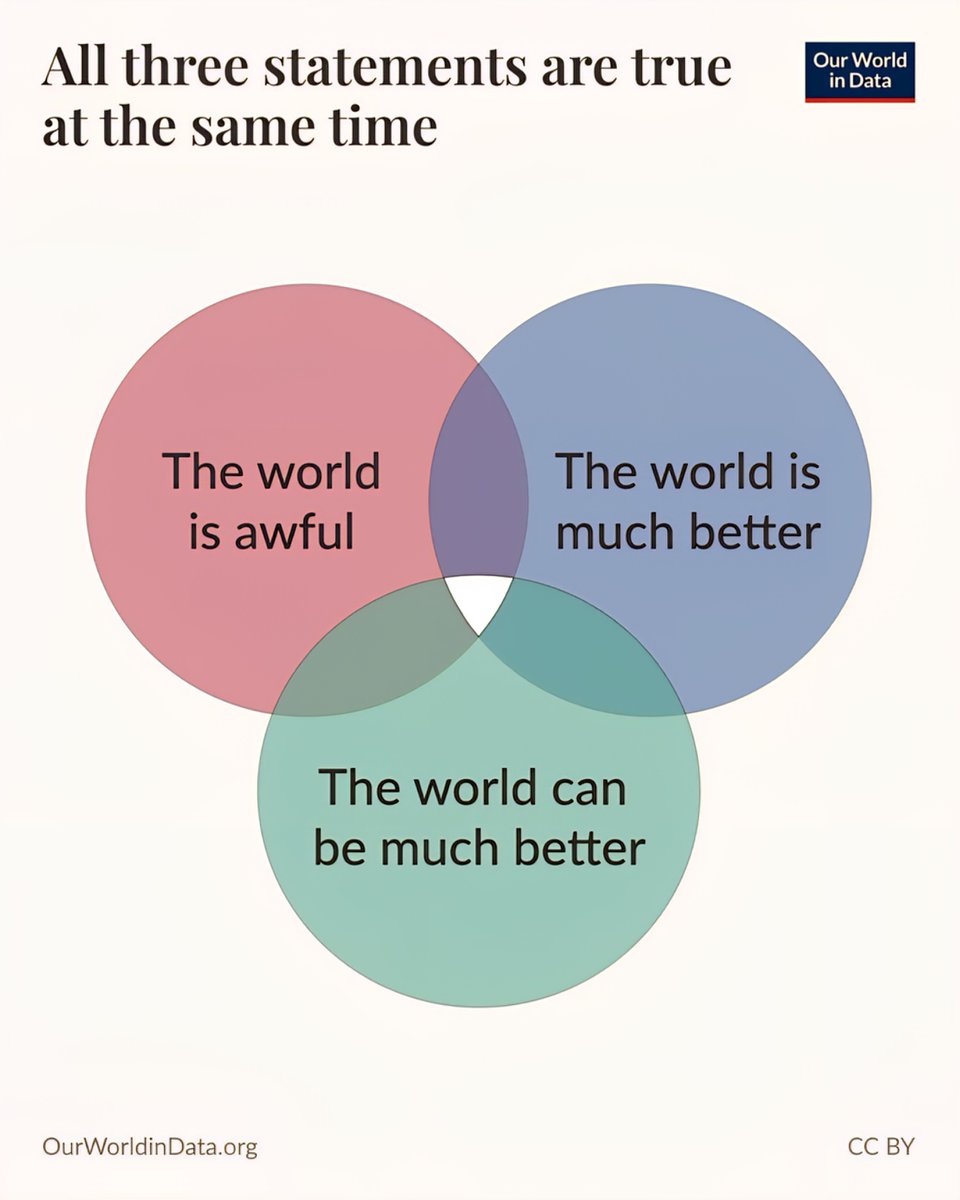
1. Multiple Truths Coexist in Complex Situations
In today’s increasingly interconnected world, it’s common to encounter scenarios where seemingly contradictory statements all hold elements of truth simultaneously. This phenomenon reflects the complexity of modern issues, often requiring nuanced understanding rather than black-and-white thinking. For instance, a situation might involve economic growth, environmental challenges, and social disparities, all of which are valid perspectives depending on how they’re viewed. Recognizing that different truths can coexist encourages more empathetic discussions and encourages us to embrace complexity rather than oversimplify.
2. The Power of Context in Shaping Truths
Context plays a crucial role in determining which statement holds more weight in a specific situation. A statement that appears to be false in one context might be entirely accurate in another. For example, a policy that benefits urban communities might adversely affect rural areas, making both statements true depending on where you focus. In 2025, policymakers and thinkers emphasize the importance of considering various perspectives and contexts to foster more inclusive solutions and avoid dismissing viewpoints outright. The acknowledgment of multiple truths underscores the importance of nuanced dialogue, especially in political and social debates.
3. Embracing Paradoxes to Foster Understanding and Growth
Living with the understanding that multiple statements can be true at the same time fosters a more mature, adaptable mindset. It challenges us to step outside of binary thinking and accept paradoxes as a natural part of life. This acceptance leads to better conflict resolution, more creative problem-solving, and greater empathy. For instance, a community might simultaneously want to promote economic development while protecting its natural environment—two goals that often seem at odds but can find common ground through innovative approaches. Embracing paradoxes enables us to navigate complexities with greater resilience.
4. Scientific and Philosophical Insights Supporting Multiple Truths
Recent advancements in science and philosophy further reinforce the idea that multiple truths can coexist. Quantum physics, for example, demonstrates that particles can exist in multiple states simultaneously until observed. Similarly, philosophical discussions about subjective versus objective truths reveal that individual experiences shape perceptions of reality. Recognizing these insights can lead to richer conversations about truth, perception, and reality, especially when addressing social issues, technological ethics, or personal beliefs. In 2025, these perspectives continue to influence debates, encouraging open-mindedness and dynamic thinking.
5. Practical Implications for Decision Making and Leadership
For leaders and decision-makers, understanding that multiple truths are valid at once is crucial for effective governance. It prompts leaders to weigh diverse viewpoints carefully, craft balanced policies, and communicate transparently with their constituents. Whether in healthcare, education, or technology, acknowledging the coexistence of different truths helps create inclusive environments where multiple needs are met. As society grapples with complex challenges like climate change, economic upheaval, and social justice, the capacity to see multiple truths becomes a vital leadership skill.
This nuanced understanding that all three statements can be true simultaneously highlights the importance of flexibility, empathy, and context-aware thinking in navigating the complexities of 2025. Embracing this multidimensional approach can help foster more constructive conversations, innovative solutions, and a deeper appreciation for the intricacies of human experience.
 ChatGPT
 Perplexity
 Gemini AI
 Grok AI