Select Language:
Understanding the Global Economic Spectrum in 2025
First World Countries: Leaders in Wealth and Development
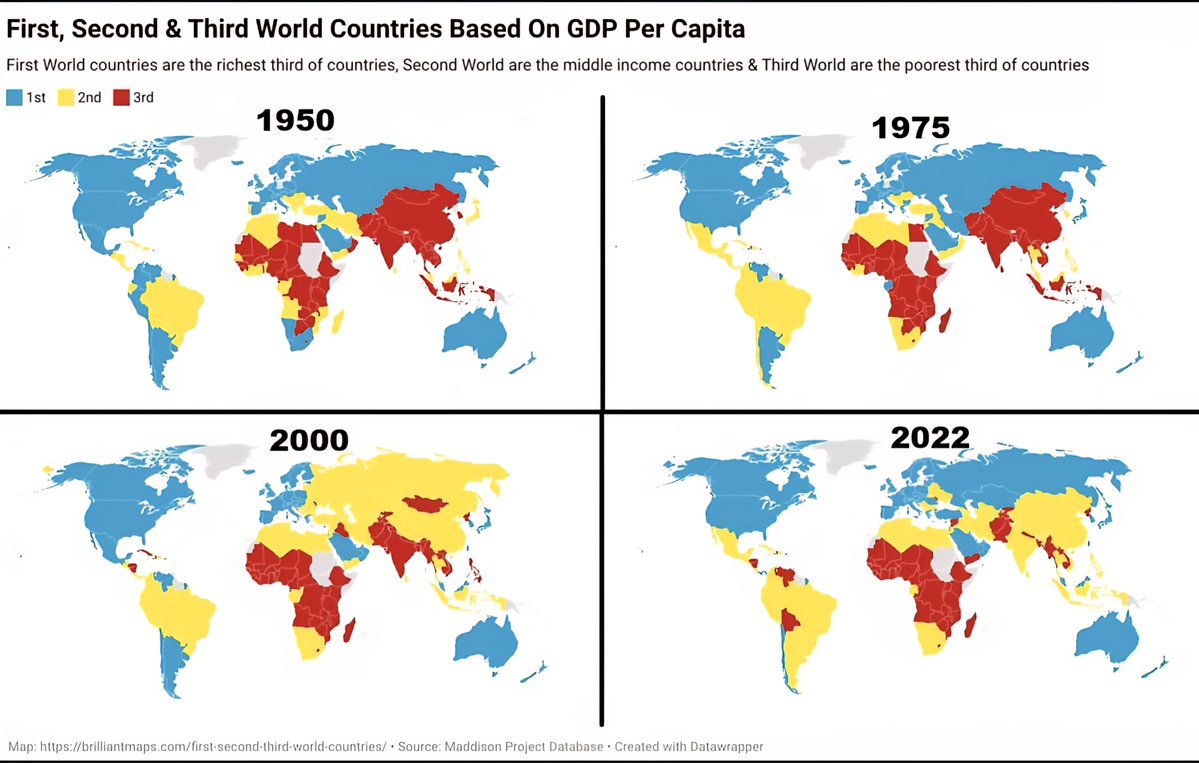
The term “First World” remains a marker of highly developed nations with advanced economies, robust infrastructure, and high standards of living. In 2025, countries like the United States, Canada, Japan, and much of Western Europe continue to dominate this category, boasting the highest GDP per capita figures globally.
- GDP Per Capita Benchmarks: In these countries, the average individual’s income exceeds $45,000 annually, with some nations, such as Luxembourg and Switzerland, surpassing the $70,000 mark.
- Strong Economic Foundations: They benefit from diversified economies that incorporate advanced technology, services, manufacturing, and finance sectors.
- High Human Development Index (HDI): These nations score highly on HDI, indicating quality healthcare, education, and life expectancy.
Despite their economic strength, First World countries face challenges like income inequality and rising living costs, which persist as critical policy issues.
Second World Countries: Developing Economies on the Rise
“Second World” countries historically refer to socialist or formerly socialist states, but the term now broadly represents emerging economies transitioning into Middle-income status in 2025.
- Key Players: Nations such as South Korea, China, Mexico, and Brazil exemplify notable Second World economies today.
- GDP Per Capita Range: These countries typically have GDP per capita between $10,000 and $45,000.
- Growth Drivers: Rapid industrialization, urbanization, and investment in infrastructure propel economic growth. China, for instance, continues to ascend as a global manufacturing hub with a growing consumer market.
- Challenges Faced: Income disparities, infrastructural gaps, and political stability issues can hinder progress but are gradually being addressed through policy reforms.
Secondary economies often serve as crucial links between the prosperous First World and less-developed nations, driving global supply chains and trade dynamics.
Third World Countries: Struggling for Economic Stability
The label “Third World” is now considered outdated but still used colloquially to describe nations with lower income levels and developmental challenges as of 2025.
- Economic Indicators: Many African and South Asian nations fall into this category, with GDP per capita usually below $10,000.
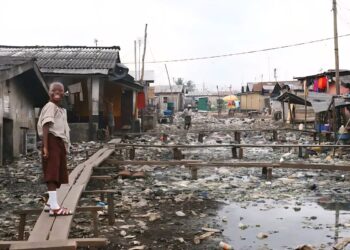
- Living Conditions: These countries often grapple with high poverty rates, limited healthcare, inadequate infrastructure, and low educational attainment.
- Pathways to Growth: While some nations like Ethiopia and Vietnam have experienced rapid economic expansion, others continue to face hurdles such as political instability, droughts, or resource scarcity.
- International Assistance: Development programs and foreign investments aim to elevate living standards, but structural reforms are essential for sustainable growth.
Despite facing significant obstacles, many of these countries are becoming pivotal players in regional and global markets, driven by a sizable young population and natural resource endowments.
Summary
The global economic landscape in 2025 is a complex mosaic. While First World countries maintain their positions as the wealthiest and most developed, Second World economies are progressing rapidly, closing the gap. Meanwhile, Third World countries, though confronting challenges, show signs of resilience and potential for transformation. Understanding these distinctions based on GDP per capita helps to contextualize ongoing development efforts and geopolitical shifts in the modern world.
(Note: Data and country classifications are illustrative based on 2025 trends and may evolve with future developments).
 ChatGPT
 Perplexity
 Gemini AI
 Grok AI