Select Language:
A Global Perspective on Shoes On vs. Shoes Off in Homes: How Different Cultures Approach Footwear Policies
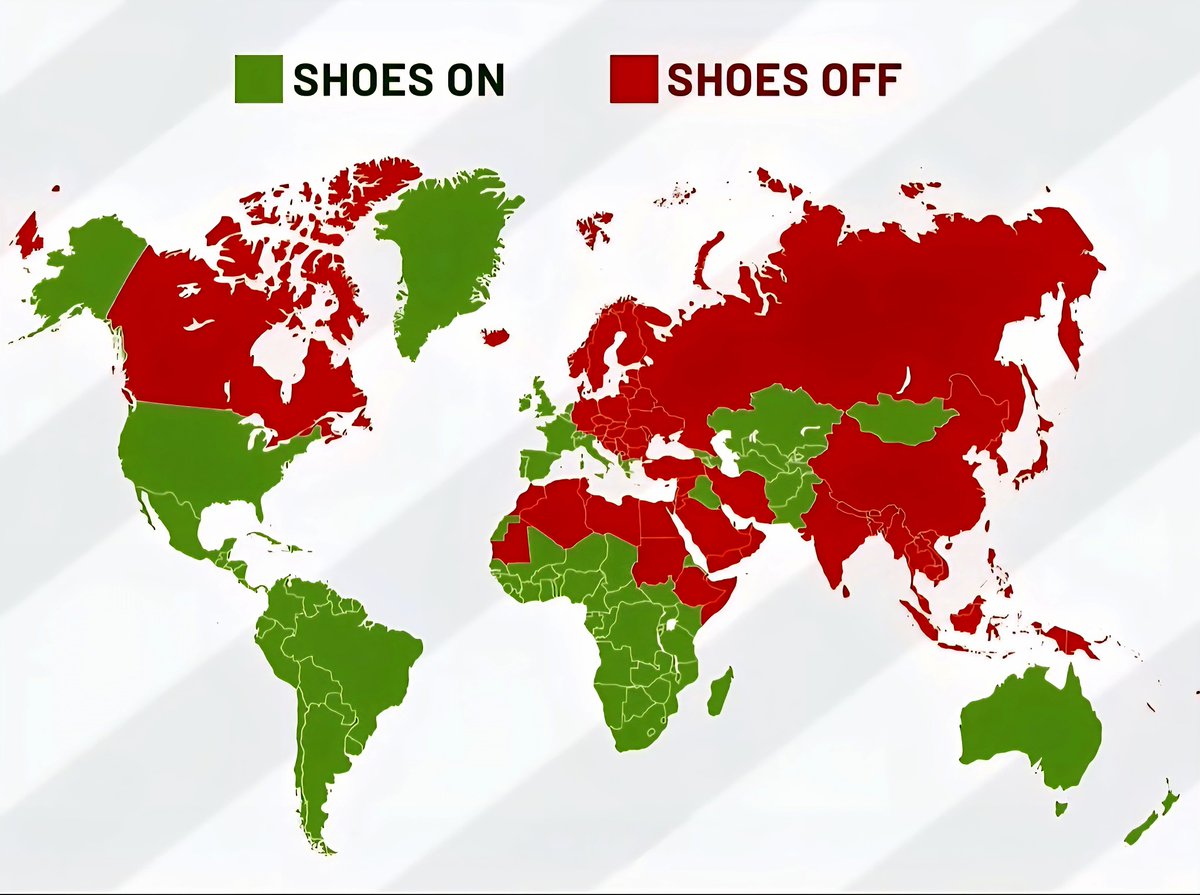
In 2025, the debate over whether to keep shoes on or remove them when entering a home remains a fascinating subject, varying sharply across cultures and regions. As lifestyles evolve and awareness about cleanliness grows, understanding these diverse practices offers insight into cultural norms, health practices, and even environmental considerations. Here’s a detailed look into how different parts of the world approach footwear policies inside homes.
North America: A Blend of Comfort and Hygiene
In the United States and Canada, habits regarding shoes in the house are increasingly influenced by personal preference rather than strict tradition. Many households encourage guests to remove shoes to maintain cleanliness, especially in clean-freak households or where carpets are common. However, in urban settings, especially in casual environments or around larger families, it’s not unusual to see shoes left on, primarily for convenience.
Some households opt for specific indoor footwear, such as slippers, to balance comfort and hygiene. This flexible approach reflects a cultural shift where cleanliness is valued but not enforced uniformly, allowing for personal comfort and practical considerations.
East Asia: Deeply Rooted Removal Customs
Japan, South Korea, and parts of China have longstanding traditions emphasizing removing shoes indoors. In Japan, removing shoes at the door is a deeply ingrained cultural practice, often symbolizing respect and maintaining cleanliness. The entryway, or genkan, serves as a transitional space where shoes are exchanged for slippers.
Similarly, South Korea also emphasizes removing footwear when entering residential spaces, and many homes feature designated slippers for indoor use. China’s practices vary regionally, but the trend of removing shoes is increasingly common in urban households, reflecting a growing emphasis on hygiene and respect for home environment.
Europe: A Mix of Customs and Practicality
Across Europe, customs are diverse. In Scandinavia and the UK, removing shoes at the entrance is common, especially in more traditional or rural households. Many Europeans see it as a sign of politeness and cleanliness, particularly during colder months when muddy or snowy conditions prevail.
In contrast, homes in southern Europe, like Spain and Italy, tend to be more relaxed, with shoes often left on unless the household requests otherwise. The emphasis on convenience often outweighs the cultural importance of shoe removal in these regions.
Australia and New Zealand: Casual Comfort
In Australia and New Zealand, the practice varies widely depending on the household and region. Urban households and modern apartments might be more lenient about keeping shoes on, especially with the informal lifestyle. However, many families prefer removing shoes to reduce dirt tracked into living spaces, particularly in homes with children.
The trend toward sustainable and clean living has led some to adopt shoe-free policies, encouraging the use of slippers or indoor footwear for comfort and cleanliness.
Middle East and South Asia: Respect and Tradition
In many Middle Eastern and South Asian countries, removing shoes before entering a home is a common practice rooted in tradition and religious customs. It’s seen as a sign of respect, cleanliness, and humility. Muslim households, for instance, often have designated slippers or mats for prayer and entry.
In India, especially among traditional households, removing shoes is a sign of respect and cleanliness, though urban, modern homes may be more relaxed about the practice.
African Cultures: Varying Practices
Across Africa, customs tend to vary significantly based on local traditions, climate, and urbanization levels. In many regions, especially rural areas, it’s customary to remove shoes before entering homes or sacred spaces to maintain cleanliness and show respect. In urban centers and modern households, this practice might be more relaxed, with some opting for slippers or keeping shoes on for convenience.
Understanding the Environmental Impact
A rising trend in 2025 is the consideration of environmental impact linked to shoe-wearing habits. Removing shoes before entering homes can reduce indoor pollution, prolong the lifespan of flooring, and decrease the use of cleaning chemicals. Some households are adopting eco-friendly slippers or indoor shoes made from sustainable materials, reinforcing the growing awareness about sustainability and health.
Conclusion
The practice of shoes on or off inside homes is shaped by a myriad of cultural, environmental, and practical factors. From the meticulous customs of Japan to the casual norms of North America, these differences highlight the rich diversity of human habits worldwide. As global awareness about cleanliness, sustainability, and cultural respect continues to grow, so too will the evolving norms surrounding footwear practices in the home.
Understanding these varied customs not only fosters cultural appreciation but also helps in creating respectful, hygienic, and environmentally conscious living environments worldwide.
 ChatGPT
 Perplexity
 Gemini AI
 Grok AI