Select Language:
Exploring the Global Trend: Shoes On vs Shoes Off in Homes in 2025
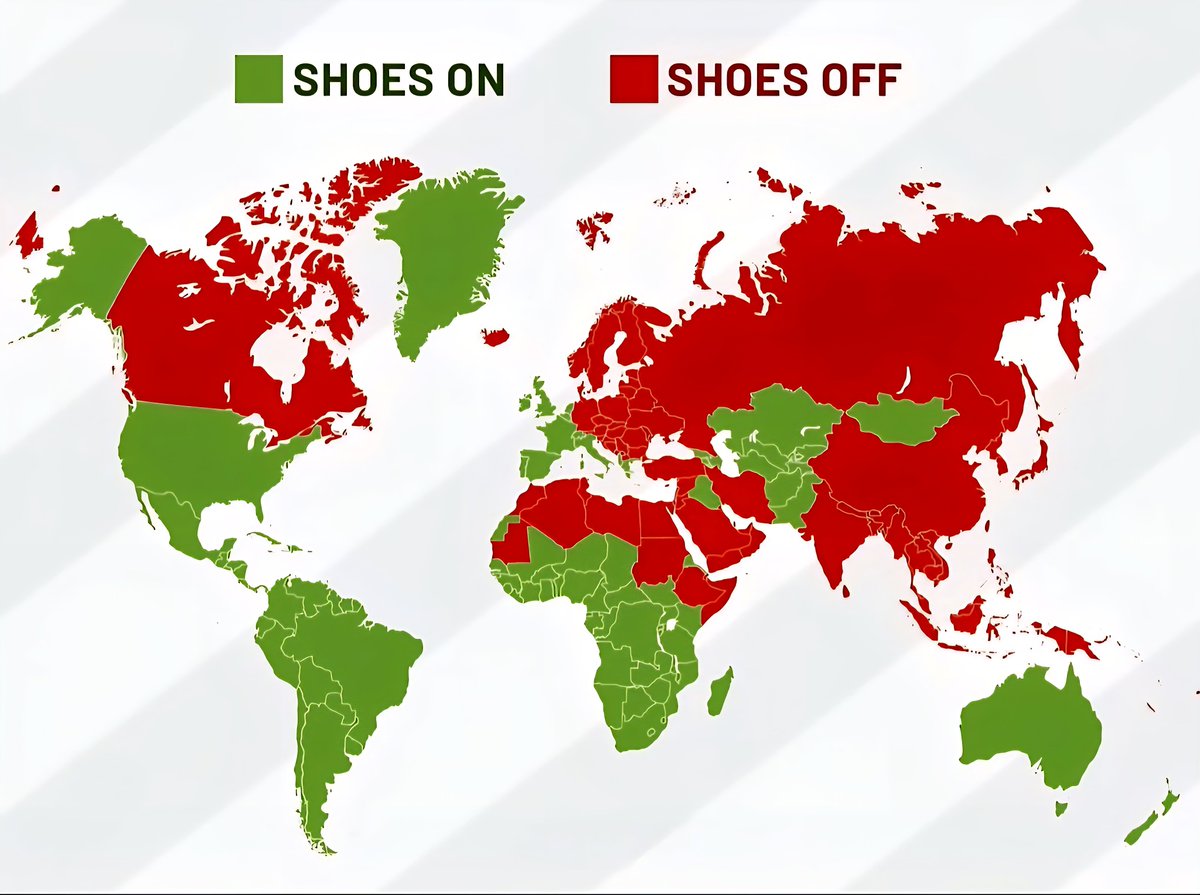
1. Cultural Customs Dictate Shoe Policies in Homes
Across the world, the decision to keep shoes on or off inside the house is deeply rooted in cultural norms. In many Asian countries like Japan, South Korea, and parts of China, removing shoes before entering a home is a widespread practice. This tradition is tied to cleanliness and respect for personal space. Conversely, in North America and parts of Europe, leaving shoes outside isn’t always the norm, with many households comfortable with shoes on indoors. These cultural practices influence how visitors and residents behave when entering someone’s home, impacting local home etiquette.
2. Hygiene and Cleanliness Influence Household Shoe Policies
Maintaining a clean living environment has become a prominent reason why homes implement specific shoe policies. In Japan, for example, removing shoes prevents dirt, germs, and outdoor pollutants from entering living spaces. The global rise in awareness about cleanliness, especially post-pandemic, has seen more households adopting a shoes-off policy. Conversely, in some Western countries, daily shoes are considered part of personal comfort, with less emphasis on indoor hygiene, especially in households where regular cleaning suffices.
3. Impact of Climate and Environment on Shoe Choices in Homes
Climate plays a crucial role in determining whether people go barefoot or keep shoes on at home. Warmer regions with less precipitation often see residents wearing sandals or going barefoot, making the shoe removal policy less strict. In colder, wetter countries, residents tend to keep sturdy slippers or outdoor shoes on to stay warm and dry. For instance, Scandinavian countries often have a mix of indoor footwear and slippers, balancing comfort and practicality.
4. The Role of Home Size and Design in Shoe Policies
Larger homes with designated mudrooms or entryway closets tend to facilitate shoe removal practices. Homes with well-structured entry areas make it convenient for guests and residents to remove and store shoes neatly. Smaller apartments or open-concept homes where space is limited may see less emphasis on shoe removal policies, with residents opting for comfort over cleaning protocols. Architects and designers increasingly incorporate shoe storage solutions to cater to cultural norms and personal preferences.
5. How Modern Technology and Hygiene Products Are Changing the Game
Advancements in household cleaning and hygiene products have influenced perspectives on indoor shoe policies. High-tech disinfectant sprays, automatic shoe sterilizers, and antimicrobial entryway mats are becoming commonplace, especially in urban centers. Smart homes now often have dedicated “clean zones” where shoes are sanitized upon entry. These innovations make it easier for households to maintain a balance between comfort and cleanliness, regardless of traditional practices.
6. Travel and Globalization’s Effect on Household Shoe Customs
With increasing globalization and travel, households are embracing a hybrid approach to shoe policies. Travelers from different cultures naturally adopt and adapt to local customs, influencing their habits back home. Some families have started to incorporate flexible shoe policies to accommodate guests from various backgrounds, promoting a more inclusive environment. This blending of customs reflects a broader acceptance of diverse home etiquette norms.
7. The Future of Shoe Practices in Homes: Trends to Watch
By 2025, experts predict a shift towards more personalized and adaptable shoe policies at home. Augmented reality (AR) and smart home integrations will help homeowners customize their entryways to suit their lifestyle and cultural preferences. For example, homes may feature digital signage or sensors that indicate whether shoes should be worn or removed, based on the time of day or visitor profile. Additionally, eco-friendly footwear and minimalist designs could influence the ease of shoe management in domestic spaces.
This evolving landscape of shoe etiquette in homes reflects larger societal shifts towards cleanliness, comfort, and cultural inclusivity. The global map reveals a diverse array of practices, driven by climate, tradition, and technology, shaping the way people experience their personal spaces in 2025.
 ChatGPT
 Perplexity
 Gemini AI
 Grok AI