Select Language:
Understanding the Global Shoe-On Versus Shoe-Off House Culture
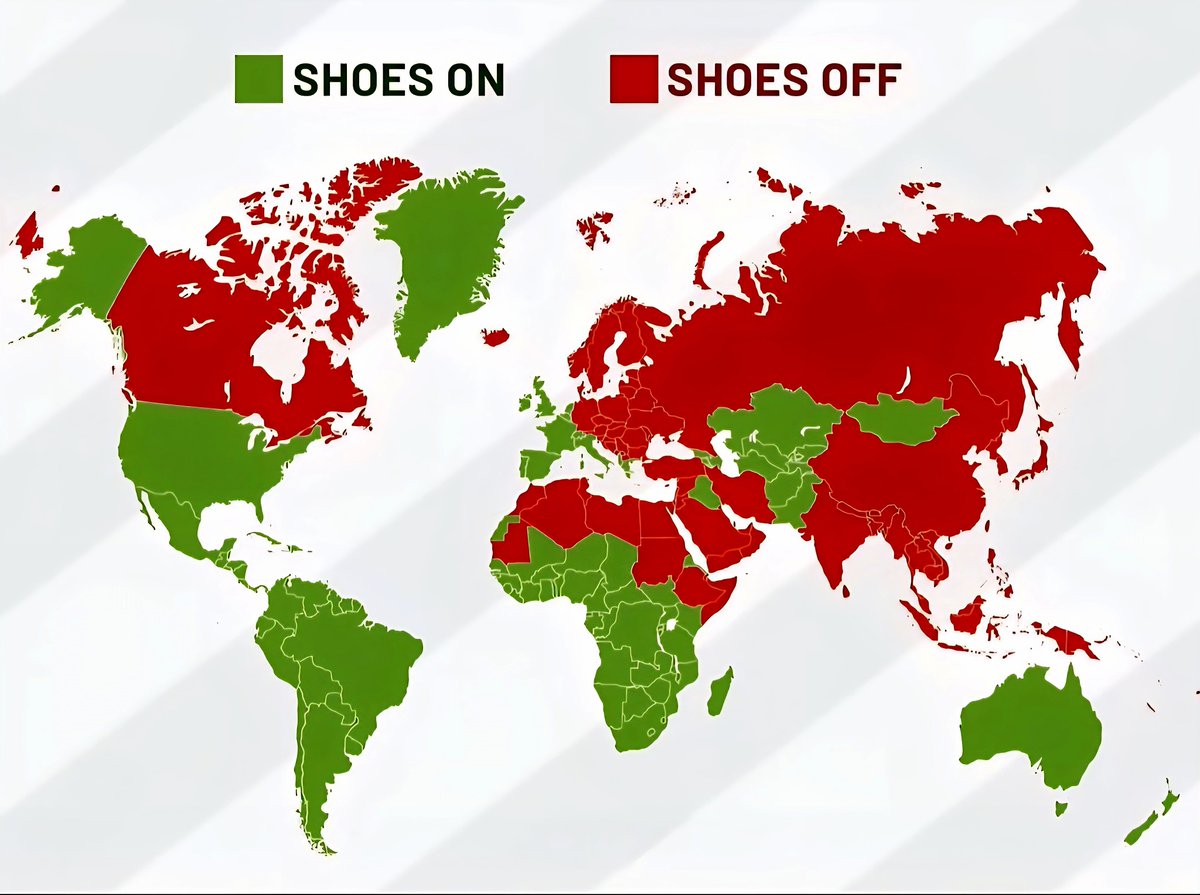
1. The Cultural Divide: Shoes On or Off in Homes
Across the globe, the decision to keep shoes on or take them off inside the house remains one of the most noticeable cultural distinctions. In countries like Japan, South Korea, and much of Europe, removing shoes upon entering a home is considered a sign of respect, cleanliness, and cultural tradition. Conversely, in many North American households, including the United States, keeping shoes on is often the norm, especially due to shared living spaces, casual lifestyles, or expectations of convenience.
This divide often reflects deeper cultural values—respect for cleanliness versus comfort and efficiency. For example, in Japan, traditional homes are designed with this practice in mind, with genkan entryways serving as designated shoe-removal zones, emphasizing the importance of hygiene and respect for the home.
2. Regional Trends and Exceptions
While the general patterns are fairly consistent, regional nuances exist. In Scandinavian countries like Sweden and Norway, removing shoes has become more common recently, influenced by environmental concerns and efforts to maintain cleanliness. Conversely, in parts of the United States and Canada, shoes often stay on, especially in colder climates where footwear offers protection from snow and ice.
In the Middle East, it’s customary to remove shoes as a sign of hospitality and respect, especially when visiting someone’s private residence. In contrast, many Latin American countries tend to be more relaxed about footwear indoors, often allowing shoes during visits or family gatherings.
3. Why Do These Cultural Norms Vary?
Cultural norms about shoe habits at home are driven by a mixture of climate, religion, etiquette, and practical considerations:
-
Climate: Cold regions prefer to keep shoes on for warmth, whereas warmer countries lean toward removing shoes to stay cooler and cleaner.
-
Religion & Tradition: Religious practices—such as Hinduism, Buddhism, and Islam—often influence shoe protocols inside homes and temples, emphasizing cleanliness.
-
Health & Hygiene: Many cultures prioritize eliminating dirt, germs, and outside contaminants, which encourages removing shoes.
-
Practical Living: Housing styles, shared spaces, and whether family members have shoes on all day influence indoor footwear habits, often balancing comfort and cleanliness.
ADVERTISEMENT
4. Impact of Globalization & Modern Trends
Recent trends indicate shifts even within traditional regions. With the rise of health consciousness and environmental awareness, more households worldwide are adopting shoe-off policies to reduce dirt and pollution tracked indoors. In the U.S., an increasing number of families are embracing “shoe-free homes” thanks to quarantine habits and shared concerns about germs.
Moreover, the adaptation of sneaker culture and casual wear has blurred the lines. Many people now prefer to keep their shoes on but opt for clean, indoor-friendly footwear like slippers, especially in colder or more casual settings.
5. The Future of Indoor Shoe Policies
Technology and evolving lifestyles continue to shape habits. Innovations like antimicrobial floors or shoe covers are gaining popularity, offering practical solutions for cultures that traditionally keep shoes on. Meanwhile, global health crises and heightened hygiene awareness could lead to a permanent increase in shoe removal practices worldwide.
In educational or health-focused facilities, strict policies around shoes are common, emphasizing safety and hygiene. Yet, at the end of the day, understanding and respecting each household’s cultural norms is fundamental.
6. How This Cultural Practice Affects International Relationships
In an increasingly globalized world, understanding local customs about shoes can help travelers, expatriates, and international families navigate social norms smoothly. Misinterpreting these practices can lead to unintentional disrespect or social awkwardness.
People visiting homes abroad should consider these differences—removing shoes when offered, or asking about preferred etiquette. Conversely, hosts welcoming international guests should communicate their preferences clearly, fostering respect and comfort.
7. Notable Variations Around the World in 2025
- Japan & Korea: Virtually universal shoe removal, with designated slippers used indoors.
- United States & Canada: Generally shoe on, but shifting towards shoe-off policies in many households.
- Europe: Mixed practices; the south often retains shoes indoors, while Nordic countries lean towards removing shoes.
- Middle East: Shoel removal is common, especially for religious or hospitality reasons.
- Australia & New Zealand: Casual attitudes; shoe removal depends on the household.
This map vividly depicts that the ongoing cultural negotiation around indoor footwear remains an important aspect of social etiquette, especially as global interactions increase.
 ChatGPT
 Perplexity
 Gemini AI
 Grok AI