Select Language:
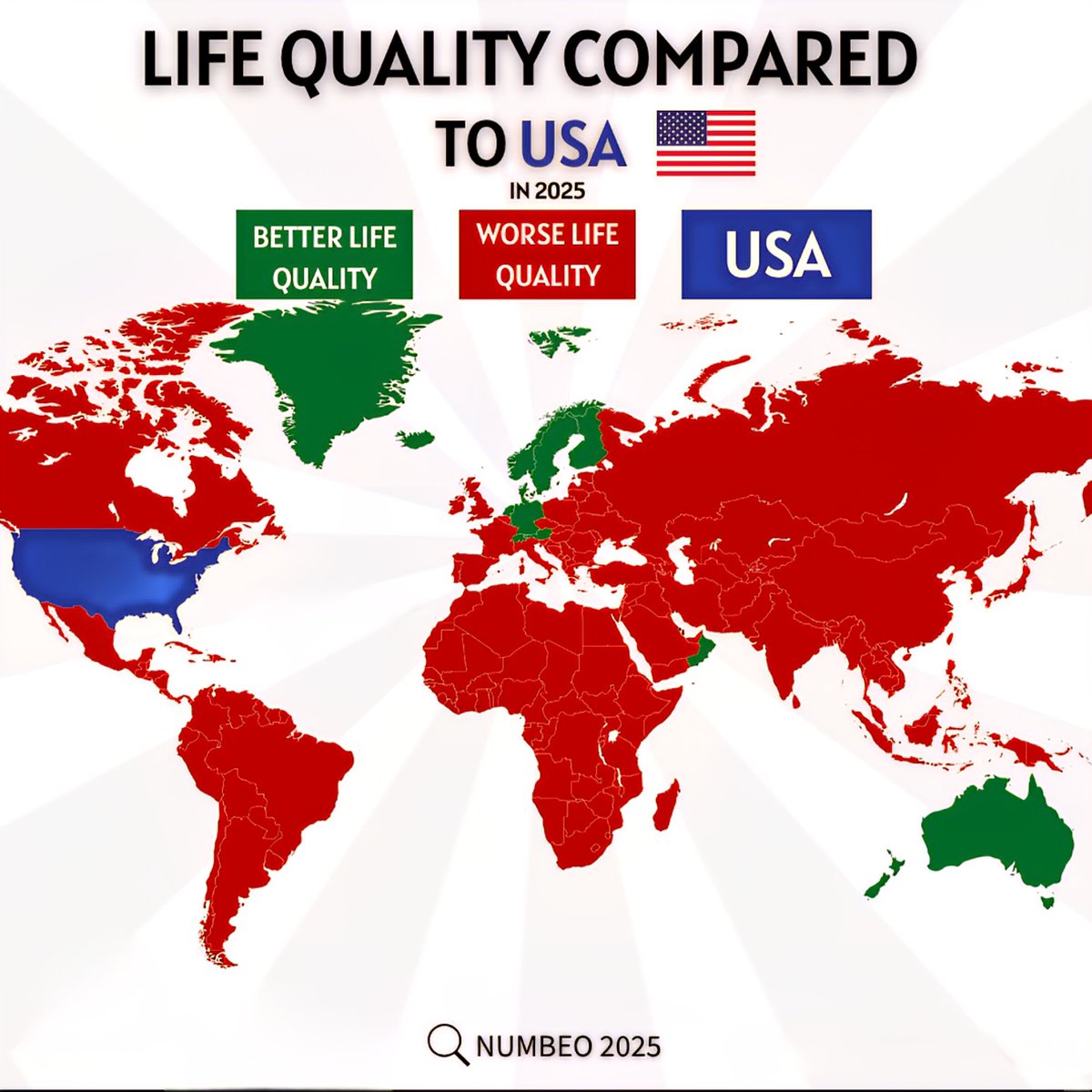
Global Life Quality Rankings Compared to the USA in 2025
1. Scandinavian Countries Continue to Lead in Overall Living Standards
In 2025, Scandinavian nations such as Norway, Sweden, and Denmark remain at the top of the global rankings for quality of life. Known for their strong social safety nets, high healthcare standards, and environmental sustainability efforts, these countries consistently outperform others on multiple metrics. Norway, in particular, has secured its position as the world’s best place to live, thanks to its robust economy driven by oil exports, extensive social welfare programs, and a commitment to gender equality.
2. Japan and South Korea Bolster Their Positions with Technological and Healthcare Advances
Asian powers Japan and South Korea are making significant strides in increasing overall life satisfaction. Japan continues to excel in healthcare quality, longevity, and technological innovation. South Korea’s focus on advancing digital infrastructure, smart city initiatives, and healthcare accessibility has contributed to a rising quality of life, closing gaps with traditional leaders. Both nations are ranked among the top ten globally, providing residents with highly efficient urban living and technological convenience.
3. Canada Maintains Its Status as an Exemplary Destination for Families and Immigrants
Canada retains its reputation as a welcoming and safe country, offering high standards of education, safety, and healthcare. With its vast natural landscapes, multicultural society, and excellent public services, Canadian cities like Toronto, Vancouver, and Montreal rank highly in overall life satisfaction. The country’s proactive policies on climate change adaptation and social inclusion have boosted its global standing in quality of life metrics.
4. Australia and New Zealand Emphasize Sustainable Living and Outdoor Activities
In 2025, Australia and New Zealand are celebrated for their focus on sustainable development and outdoor lifestyles. Queensland’s coastal cities and New Zealand’s smaller towns excel in air quality, access to nature, and active living options. Both countries’ investments in renewable energy and environmental conservation have positively influenced residents’ well-being and long-term happiness.
5. The USA’s Position in the Global Life Quality Spectrum
While the United States remains a global economic powerhouse, its overall ranking for quality of life has seen some challenges due to disparities in healthcare access, income inequality, and rising costs of living. Major cities like New York, San Francisco, and Boston continue to offer vibrant cultural scenes and innovation hubs, but rural and underserved communities face ongoing struggles with healthcare, education, and safety.
Despite these issues, individual American cities are still praised for their diversity, job opportunities, and technological innovation. The U.S. government’s recent initiatives to address healthcare inequality and affordable housing have started showing promising results, but national averages still lag behind top-ranked nations.
6. Latin American and African Nations Show Promising Signs of Growth
Countries such as Costa Rica, Uruguay, South Africa, and Kenya are gaining recognition for making strides in healthcare, education, and environmental sustainability. Costa Rica, in particular, is renowned for its eco-friendly policies and high life expectancy. Meanwhile, some African nations are innovating in mobile healthcare and renewable energy, leading to improved living standards for many residents.
7. The Impact of Environmental and Technological Factors on Quality of Life
Across the globe, nations that prioritize renewable energy, clean air, and green urban planning continue to see increases in life satisfaction. Countries implementing cutting-edge technology for healthcare, education, and transportation are also reporting higher happiness indices. In 2025, there is a clear global trend towards sustainable development, with the most successful nations integrating ecological concerns with economic growth.
8. City-specific Highlights: The U.S., Europe, and Beyond
- New York City: While still a global hub of finance and culture, NYC faces ongoing challenges related to affordability and congestion, impacting residents’ quality of life.
- Copenhagen: Recognized for its bicycle-friendly infrastructure and sustainable urban planning, Copenhagen remains one of the happiest cities in the world.
- Singapore: With its efficient healthcare system, strong economy, and emphasis on urban sustainability, Singapore is climbing global rankings steadily.
- Rio de Janeiro: Despite economic hardships, Rio continues to attract residents with its vibrant culture and natural beauty, though safety concerns persist.
9. Future Outlook: Where Will Global Living Standards Head By 2030?
The trend in 2025 indicates that countries emphasizing sustainability, healthcare accessibility, and social inclusiveness will continue to outperform others in quality of life. The USA, while still influential in global innovation and economy, may need to address internal disparities to improve its standing further. Meanwhile, emerging markets are rapidly adopting new technologies to improve residents’ well-being, promising a more interconnected and healthier global community by 2030.
 ChatGPT
 Perplexity
 Gemini AI
 Grok AI