Select Language:
World Leaders with Advanced Academic Degrees in 2025: A Closer Look
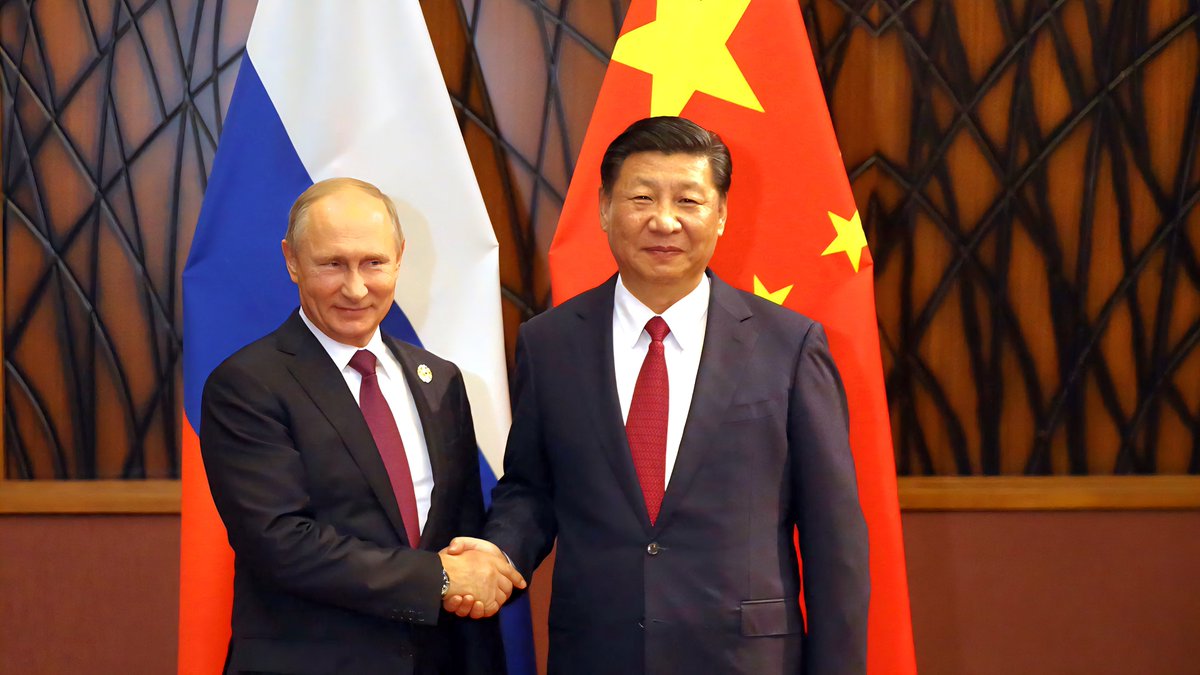
In the landscape of global leadership, a unique subset of presidents, prime ministers, and other heads of state boast impressive academic credentials, holding doctorates in various fields. Their scholarly backgrounds often influence their policies, governance style, and perspectives on international issues. Here is a detailed list of prominent current and past world leaders who have earned PhDs or similar doctoral degrees, showcasing a diverse array of disciplines from around the globe.
Xi Jinping’s Legal Expertise: China’s Leader with a Law Doctorate
Chinese President Xi Jinping earned his PhD in Law, emphasizing his deep understanding of legal frameworks. His academic background in law has influenced China’s approach to governance and its emphasis on rule of law within its political system. Xi’s scholarly work reportedly focused on the relationship between law and governance, enhancing his strategic decision-making capabilities.
Vladimir Putin’s Economic Roots: Russia’s PhD in Economics
Russian President Vladimir Putin holds a PhD in Economics. His research background provides insight into his approach to national development and economic policy. Putin’s academic insights have played a role in shaping Russia’s economic strategies, especially amid global sanctions and market fluctuations.
Manmohan Singh’s Economics Expertise: India’s Former Prime Minister
India’s former Prime Minister Manmohan Singh possesses a PhD in Economics, a qualification that defined his tenure. His reputation as an economist shaped India’s liberalization policies in the 1990s, laying the groundwork for economic growth and modernization.
Karol Nawrocki’s Historical Perspective: Poland’s Leader with a History Doctorate
Karol Nawrocki, a notable Polish figure, has earned a PhD in History. Though less globally known than some peers, Nawrocki’s academic background assists in shaping Poland’s cultural and historical policies, fostering a sense of national identity.
Goodluck Jonathan’s Zoological Insights: Nigeria’s Former President with a PhD in Zoology
Nigeria’s former President Goodluck Jonathan earned a PhD in Zoology, an uncommon background for a political leader. His scientific expertise underscores a multifaceted understanding of environmental and ecological issues affecting his country.
Paul Kagame’s Management Insights: Rwanda’s President with a Management Doctorate
Rwandan President Paul Kagame holds a PhD in Management. His academic focus on organizational behavior and management principles correlates with Rwanda’s steady economic and social development strategies under his leadership.
Angela Merkel’s Quantum Chemistry Foundation: Germany’s Chancellor with Scientific Roots
German Chancellor Angela Merkel earned her PhD in Quantum Chemistry. Her strong scientific training played a crucial role during her tenure, especially in managing Germany’s energy policies and technological advancements.
Pedros in Economics: Peru and Spain’s Economists
Pedro Pablo Kuczynski of Peru and Pedro Sánchez of Spain both have PhDs in Economics, which significantly influenced their economic policies. Kuczynski’s expertise guided Peru’s growth, while Sánchez’s economic background shaped his approach to European Union negotiations.
Susilo Bambang Yudhoyono’s Agricultural Economics: Indonesia’s Former President
Susilo Bambang Yudhoyono earned a PhD in Agricultural Economics. His academic specialization highlights a focus on rural development and food security issues endemic to Indonesia’s socio-economic landscape.
Hassan Rouhani’s Constitutional Law: Iran’s Leader with Legal Scholarship
Iran’s former President Hassan Rouhani holds a PhD in Constitutional Law. His deep legal background informed his negotiations and policy decisions on Iran’s constitution and international diplomacy.
A Spectrum of Economics: Mario Draghi, Lucas Papademos, Ernesto Zedillo, and Ricardo Lagos
Several influential leaders, including Italy’s Mario Draghi, Greece’s Lucas Papademos, Mexico’s Ernesto Zedillo, and Chile’s Ricardo Lagos, have PhDs in Economics. Their academic strength underpins their economic reforms, crisis management, and policy reforms during pivotal moments in their countries’ histories.
Engineering and Political Science: Japan and Vietnam
Yukio Hatoyama of Japan boasts a PhD in Engineering, reflecting a technical approach to problem-solving, especially in infrastructure and innovation. Vietnam’s Nguyen Phu Trong earned a PhD in Political Science, emphasizing his focus on governance, stability, and diplomatic relations.
International Law and Diplomacy: Egypt’s Boutros Boutros-Ghali and Austria’s Bruno Kreisky
Boutros Boutros-Ghali, with a PhD in International Law, was a significant figure in global diplomacy, notably serving as UN Secretary-General. Bruno Kreisky from Austria, with a legal background, made a mark in social justice and international relations.
This diverse group of leaders exemplifies how advanced education shapes governance and policy worldwide. Their scholarly backgrounds often give them an analytical edge and a nuanced understanding of complex issues, enabling more informed decision-making at the highest levels of power in 2025.
 ChatGPT
 Perplexity
 Gemini AI
 Grok AI