Select Language:
Understanding the Complexity of Global Calendar Systems in 2025
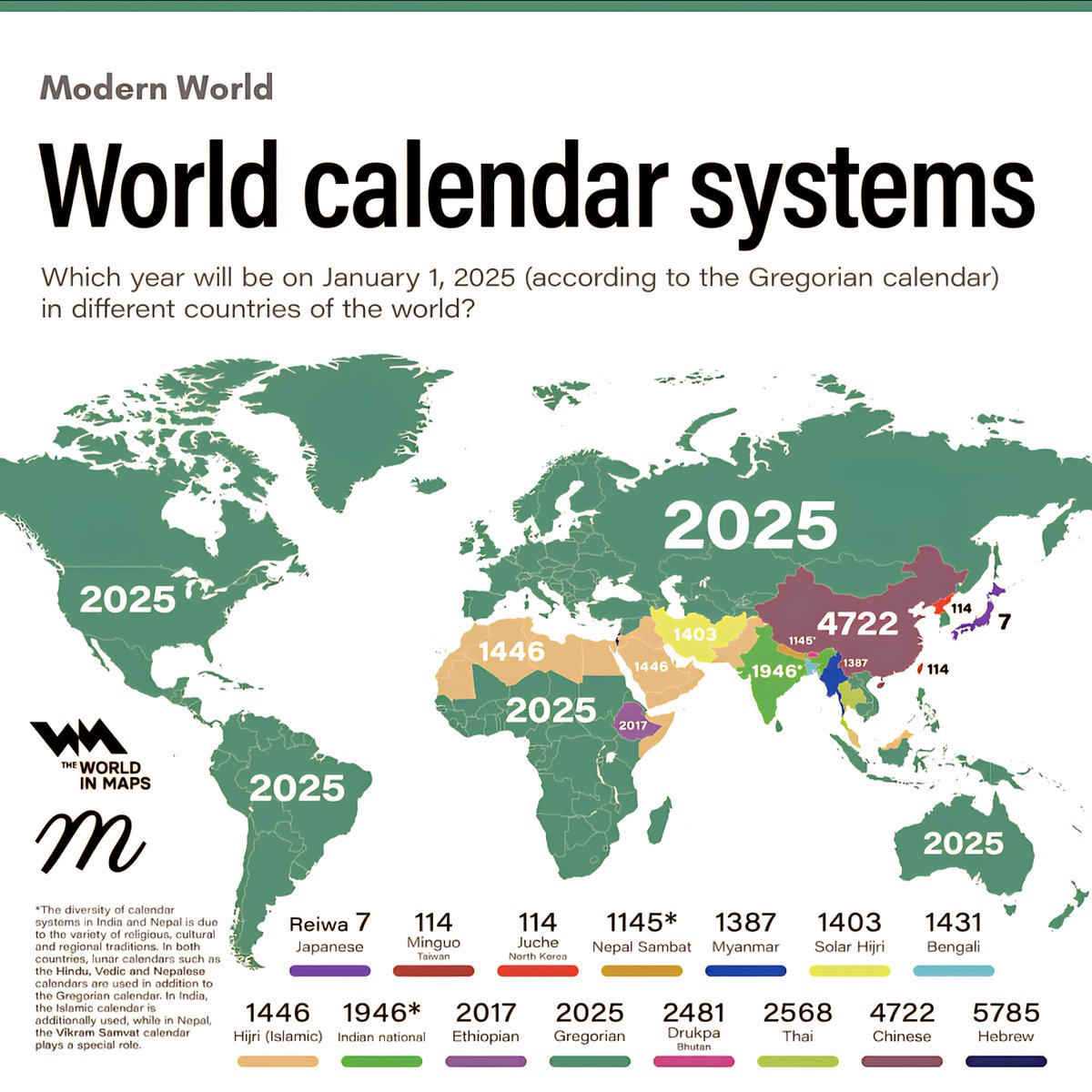
As the world becomes increasingly interconnected, understanding the various calendar systems used across different countries and cultures has never been more important. From traditional religious calendars to internationally standardized formats, the diversity of timekeeping methods reflects our global heritage. Here are some key insights into the complex landscape of world calendar systems as of 2025.
The Gregorian Calendar: The Global Standard
The Gregorian calendar remains the predominant system worldwide, serving as the official calendar for most countries, governments, and global organizations. Introduced in 1582 to replace the Julian calendar, it corrected the drift of the calendar year with respect to the solar year. Today, it is used internationally for civil purposes, with the year 2025 marked as a common year starting on a Wednesday. Despite its widespread use, variations and local adaptations still exist, especially for cultural or religious purposes.
Cultural and Religious Calendars Coexist
While the Gregorian calendar dominates for official and business transactions, numerous cultural and religious traditions rely on their own calendars:
-
The Islamic Hijri Calendar: A lunar calendar used primarily for Islamic religious observances. In 2025, the Islamic year is around 1446-1447 AH, with significant dates such as Ramadan and Hajj determined by lunar phases.
-
The Hebrew (Jewish) Calendar: A lunisolar calendar that guides Jewish religious festivals. Passover in 2025 falls in April, and the Jewish New Year, Rosh Hashanah, occurs in September.
-
The Chinese Lunar Calendar: Used to determine traditional festivals like the Lunar New Year, which in 2025 begins on February 1st. It’s based on lunar cycles but is used alongside the Gregorian calendar rather than replacing it.
-
Hindu Calendars: Various regional Hindu calendars dictate festivals like Diwali and Navaratri, often based on lunar or lunisolar calculations, differing regionally across India.
Indigenous and Local Calendars: Preserving Heritage
Many indigenous communities have their own calendars that reflect their unique histories and cosmologies:
-
The Maya Calendar: Although not widely used today, some communities still observe the sacred Tzolk’in cycle, which consists of 260 days, and the Haab’ solar calendar.
-
The Balinese Pawukan: A 210-day calendar used for traditional ceremonies and agricultural planning in Bali.
-
The Ethiopian Calendar: Still in active use in Ethiopia, it is roughly seven to eight years behind the Gregorian calendar, with the year 2017 being the current Ethiopian year in 2025.
The International Standard ISO Week Date System
In 2025, businesses and governments increasingly rely on the ISO week date system for precise scheduling. This system assigns weeks numbered from 1 to 52 or 53, starting on Monday, which helps streamline international communication and planning. For example, the week of February 17, 2025, is part of ISO week 7.
Challenges of Calendar Synchronization
Despite advancements in standardization, aligning diverse calendars for international events remains challenging:
-
Cross-cultural Events: Scheduling global events like the Olympics or World Cup require coordinate planning across Gregorian dates and cultural calendars.
-
Religious Holidays: Different religious calendars mean that holidays like Eid or Chinese New Year can fall on different Gregorian dates each year, complicating international coordination.
-
Business and Fiscal Calendars: Companies often adapt fiscal calendars that start at different times (e.g., fiscal years starting in October), further adding layers to global time management.
Future Trends and Technological Integration
In 2025, digital tools and AI-driven calendar apps are increasingly capable of integrating multiple calendar systems, offering users a comprehensive view of dates relevant to their cultural, religious, and professional lives. These innovations aim to foster greater cultural understanding and smooth international collaboration.
The Role of Education and Awareness
Building awareness about different calendar systems can improve cross-cultural communication. Educational initiatives are promoting understanding of lunar, lunisolar, and traditional calendars alongside the Gregorian system, emphasizing respect for diverse cultural practices and religious observances.
Understanding the multitude of calendar systems used worldwide enriches our appreciation for cultural diversity and enhances international cooperation. As technology continues to unify daily routines and scheduling, awareness of these differences becomes crucial in building a more connected world in 2025.
 ChatGPT
 Perplexity
 Gemini AI
 Grok AI