Select Language:
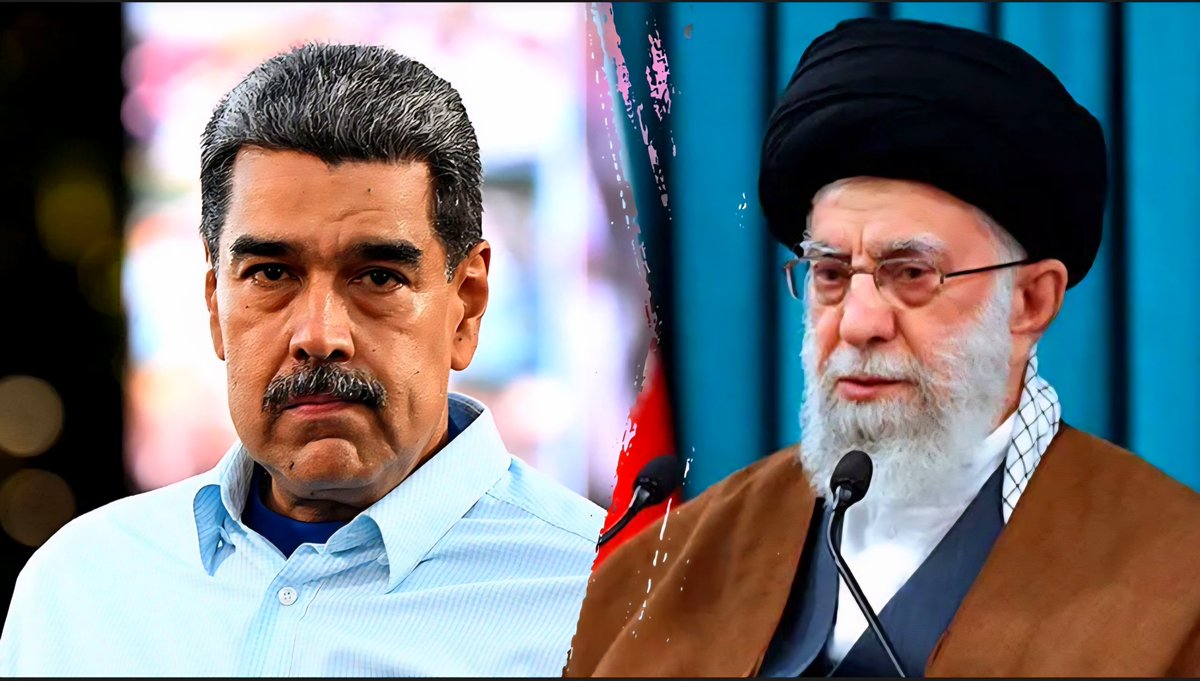
Top U.S. Actions Against Controversial World Leaders in Recent Years
1. The Capture and Removal of Emilio Aguinaldo (1901)
In the early 20th century, the United States played a pivotal role in the conflict with Emilio Aguinaldo, the Filipino revolutionary leader. After nearly three years of fighting, Aguinaldo was captured by American forces during the Philippine-American War in 1901. His arrest marked a significant turning point in U.S. intervention, leading to the eventual annexation of the Philippines. This event remains a foundational chapter in American military history, illustrating early executive intervention in international conflicts.
2. The Detention of Manuel Noriega (1990)
Panama’s military dictator, Manuel Noriega, became the target of U.S. operations in 1989, culminating in his capture in early 1990. The operation, dubbed “Operation Just Cause,” was driven by allegations of drug trafficking, narco-politics, and threats to the Panama Canal. Noriega’s apprehension was executed via a combined invasion by U.S. forces, and he was quickly extradited to the U.S., where he faced trial and imprisonment. This marked a major assertion of U.S. military influence in Central America.
3. The U.S. Deposes Saddam Hussein (2003)
One of the most infamous actions of the 21st century was the invasion of Iraq and the subsequent removal of Saddam Hussein. After years of mounting tensions over weapons of mass destruction, the U.S. led a coalition that ultimately overthrew Hussein’s regime. His capture came during a chaotic military campaign, and his subsequent trial and execution symbolized the U.S. commitment to removing authoritarian regimes deemed threats to global security.
4. Removal of Jean-Bertrand Aristide in Haiti (2004)
Haitian President Jean-Bertrand Aristide faced intense political unrest, which eventually led to his military ousting in 2004. While the operation was complex, the U.S. played a significant role in facilitating his exile amid accusations of corruption and authoritarian tendencies. Aristide’s departure was marked as a critical moment in Haitian politics and U.S. involvement in regional democracy initiatives.
5. Muammar Gaddafi’s Fall in Libya (2011)
The fall of Libyan leader Muammar Gaddafi resulted from a NATO-led coalition’s intervention during the Libyan civil war. The U.S. contributed air support to assist rebel forces fighting Gaddafi’s regime, which ended with his capture and death in Sirte in 2011. This operation exemplified international cooperation through NATO to depose a longstanding dictator, though at the cost of ongoing instability.
6. The Capture of Laurent Gbagbo in Ivory Coast (2011)
In Ivory Coast, Laurent Gbagbo refused to accept election results in 2010, fueling a violent crisis. The U.S. and its allies supported international efforts to facilitate his arrest, which was carried out in 2011 by Ivorian forces with international backing. Gbagbo’s detention marked the end of a tumultuous chapter, paving the way for national reconciliation efforts.
7. The U.S. Involvement in the Downfall of Juan Orlando Hernández (2022)
Honduran President Juan Orlando Hernández faced allegations of corruption and drug trafficking. U.S. authorities provided critical intelligence and support, culminating in his arrest and extradition. The operation signified U.S. commitment to combat corruption and organized crime within the region, emphasizing its influence on the political stability of Central America.
8. The Imagined U.S. Confrontation with Nicolás Maduro (2026)
Looking ahead, U.S. officials have hinted at potential targeted operations against Venezuelan President Nicolás Maduro, citing ongoing human rights violations and political suppression. While no definitive military action has yet occurred, experts speculate about strategic moves to remove Maduro from power in 2026 to restore democracy and stability in Venezuela.
9. Hypothetical Removal of Iran’s Ali Khamenei (2026)
Similarly, in 2026, rumors suggest that the U.S. could pursue a covert operation aimed at removing Iran’s Supreme Leader Ali Khamenei due to Iran’s nuclear developments and regional influence. While purely theoretical at this point, such a move would represent a significant escalation in U.S.-Iran relations and regional geopolitics.
Notes:
-
Capture vs. Removal: In some instances, leaders were directly captured, while others were removed through military operations or diplomatic pressures.
-
Extradition: Several leaders, such as Noriega, were detained locally before being extradited to face justice.
-
Indirect Role: Some actions involved supporting local forces or conducting strikes that resulted in targeted leaders’ deaths.
-
Joint Operations: Many operations involved partnerships with allied nations, NATO, or regional coalitions for strategic stability.
This comprehensive look highlights the extent of U.S. involvement in the recent ousting or elimination of influential global leaders. From 20th-century conflicts to potential future scenarios, these actions demonstrate America’s continuing strategic influence on the international stage.
 ChatGPT
 Perplexity
 Gemini AI
 Grok AI