Select Language:
Recognizing Common Insect Bites in 2025
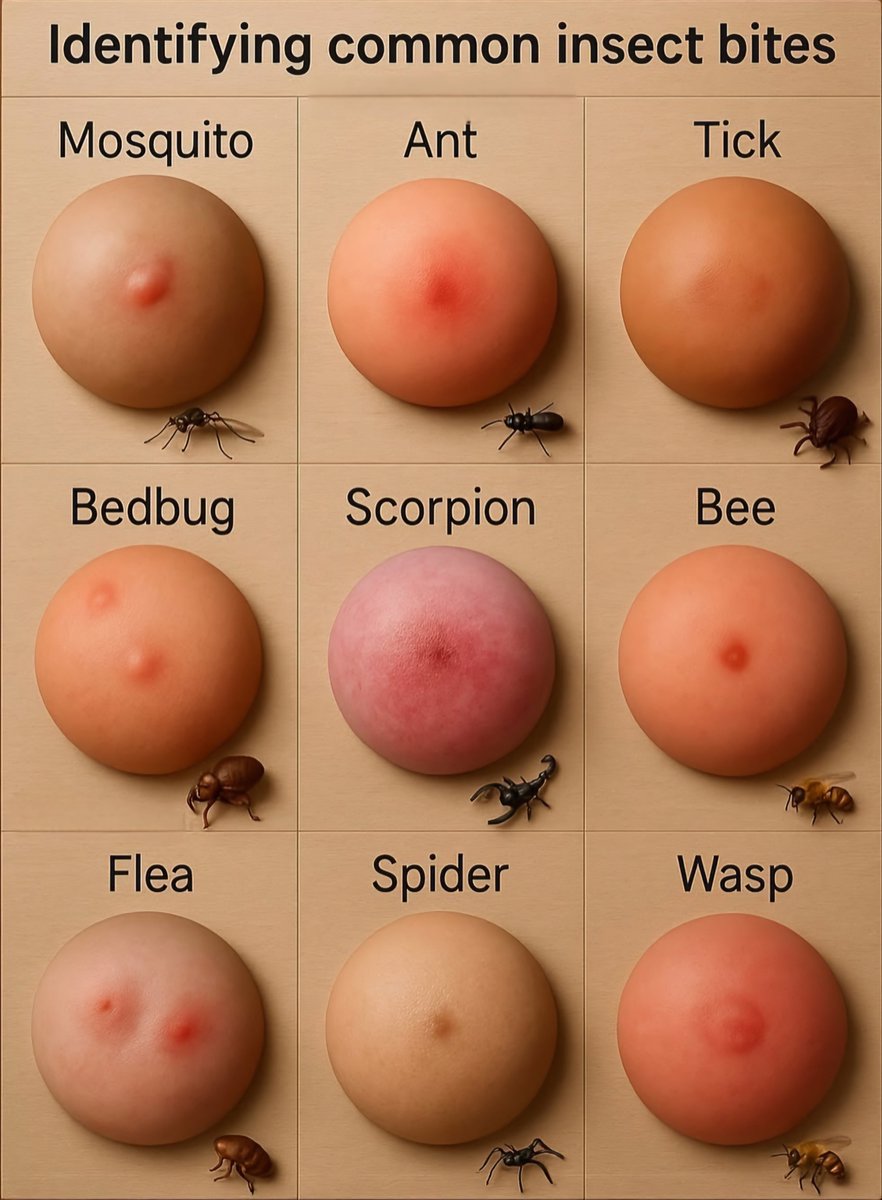
1. The Classic Honeybee Sting
When you see a small, raised, welt-like bump accompanied by intense pain and swelling, it’s often a honeybee sting. Honeybees usually sting when provoked or accidentally disturbed, especially near flowers or hives. The sting leaves behind a barbed stinger that continues to release venom even after the bee departs. Symptoms typically include redness, warmth around the sting site, and sometimes an itchy or burning sensation. Severe allergic reactions, though rare, can involve difficulty breathing, dizziness, or swelling beyond the sting area and require immediate medical attention.
2. Mosquito Bites with a Distinguished Itch
Mosquito bites are among the most ubiquitous in 2025, especially during summer or in humid areas. They appear as small, reddish bumps that are intensely itchy. The bites are usually grouped in clusters or lines because mosquitoes tend to feed multiple times. These bites can be mistaken for other skin conditions, but the hallmark is the persistent itch and sometimes minor swelling. In some cases, mosquitoes transmit viruses like West Nile or Zika, making it essential to monitor for symptoms such as fever or headache after bites.
3. The Persistent Bed Bug Mark
Unlike insect bites caused by mosquitos or bees, bed bug bites often leave multiple identical marks in a line or cluster, known as “breakfast, lunch, and dinner” bites. These bites are usually painless initially but become itchy over time. They tend to appear on exposed skin areas like arms, face, or legs and often occur during the night, making detection tricky. Bed bugs are notorious for their resilience and can infest mattresses, furniture, and luggage, especially after travel.
4. The Diagnosing West Nile Virus Signs
While most mosquito bites are harmless, some can transmit serious illnesses such as West Nile Virus. In 2025, awareness around these diseases is crucial. Symptoms of West Nile Virus start with mild fever, headache, or fatigue, but in some cases, can progress to neurological issues like neck stiffness, confusion, or seizures. It’s vital to differentiate between a typical insect bite and a sign of illness, especially in regions where outbreaks are common. Consulting a healthcare professional is advised if flu-like symptoms follow a known bite.
5. The Thorny Tale of Ticks
Ticks are arachnids that latch onto the skin for blood meals, often found in grassy or wooded areas. Their bites are not immediately painful, but the potential transmission of Lyme disease and other infections makes them dangerous. A typical tick bite leaves a small bump and may develop into a rash that resembles a bull’s-eye. If you suspect a tick bite, it’s essential to remove the tick carefully with tweezers, clean the bite area, and seek medical advice, especially if symptoms like fever or rash develop.
6. The Swollen Reaction of Fire Ant Stings
Fire ants deliver a painful sting that often results in pustules or clusters of blisters. The initial sting is sharp, followed by a burning sensation, and often, multiple stings occur when the ant colony feels threatened. The bites can swell significantly, with redness and sometimes blistering. In allergic individuals, fire ant stings can cause a more severe allergic reaction, including swelling of the face and throat, requiring prompt emergency care. Avoid disturbing fire ant mounds to prevent bites.
7. The Creepy Crawlers: Chigger Bites
Chiggers are tiny mite larvae that cause itchy, red bumps, often with a distinctive rash pattern. They’re usually found in grassy or brushy areas and latch onto exposed skin, especially around ankles and waistbands. Their bites are intensely itchy and may worsen over days if scratched. The best way to prevent chigger bites is to limit exposure in chigger-prone areas, wear protective clothing, and wash skin thoroughly after outdoor activities.
In 2025, understanding the visual cues, symptoms, and behaviors of various insects is vital for swift identification and appropriate treatment. Recognizing these common insect bites can help prevent complications and ensure timely medical attention when needed, especially as climate and environmental changes influence insect activity and distribution. Stay vigilant during outdoor activities and consult healthcare professionals if you experience severe or unusual symptoms after an insect bite.
 ChatGPT
 Perplexity
 Gemini AI
 Grok AI