Select Language:
Is Your Pee Trying to Tell You Something? Here’s What the Colors Mean
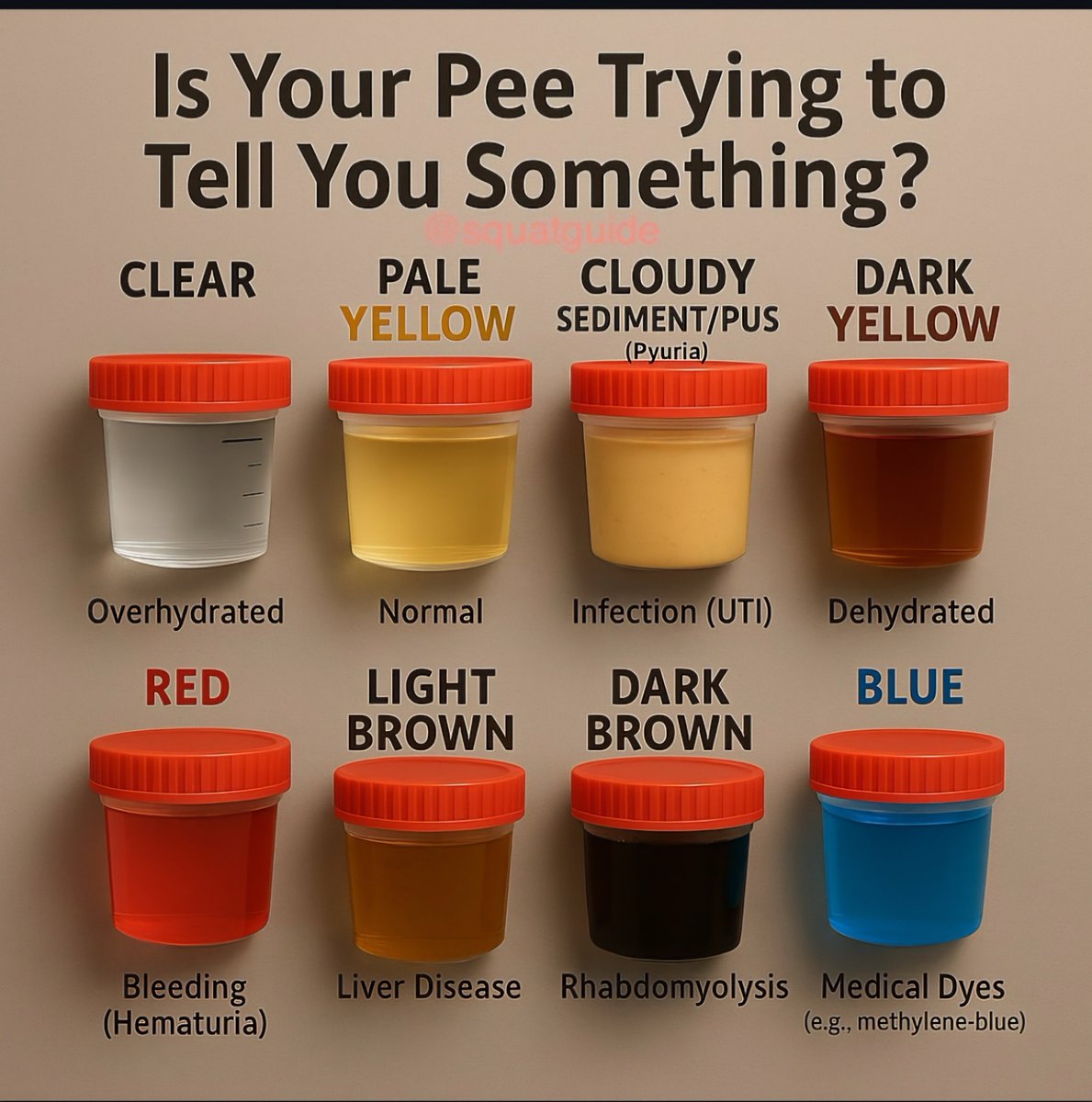
Understanding your body’s signals can be essential for maintaining good health. One of the most overlooked indicators is the color of your urine. Day-to-day changes can reveal a lot about your hydration levels, potential health issues, and more. Here’s a detailed guide to help you interpret what different urine colors might indicate in 2025.
Clear Urine: Are You Drinking Too Much Water?
When your urine appears completely clear, it generally means you are well-hydrated—possibly even overhydrated. While staying hydrated is vital, excessive water intake can dilute your urine to the point where it loses what little color it usually has. This might lead to electrolyte imbalance over time, which can cause complications. Experts suggest aiming for a pale yellow hue for the best balance between hydration and health.
Pale Yellow Urine: The Gold Standard of Hydration
If your urine is a soft, pale yellow, congratulations—you are likely in the optimal hydration zone. This shade reflects a well-maintained balance of fluid in your body. It’s considered the normal, healthy color of urine. Maintaining this level should be your goal for overall well-being and kidney health.
Cloudy Urine: Possible Signs of a Urinary Tract Infection
A cloudy or murky appearance in your urine can be a red flag for urinary tract infections (UTIs). Cloudiness often indicates the presence of pus, bacteria, or blood. Accompanying symptoms like a burning sensation, urgency, or foul smell should prompt a visit to your healthcare provider. UTIs are common but can escalate if left untreated, making early recognition critical.
Dark Yellow Urine: Dehydration Warning
Dark yellow or amber urine often suggests dehydration or insufficient fluid intake. This color change can also result from concentrated waste products in the urine due to infrequent urination. If your urine is consistently dark, it’s time to increase your water consumption to prevent kidney stones and other health issues.
Red Urine: Could It Be Blood?
Red-colored urine can be alarming and is usually due to the presence of blood—a condition known as hematuria. It may result from urinary tract injuries, infections, kidney stones, or more serious conditions like tumors. If you notice persistent blood in your urine, seek medical attention immediately for diagnosis and treatment.
Light Brown Urine: Signs of Liver Issues
A light brown or tea-colored hue may indicate liver problems such as hepatitis or cirrhosis. This color results from bilirubin buildup—often linked to liver dysfunction. If urine color persists in this shade, accompanied by symptoms like jaundice or abdominal pain, get a thorough medical evaluation.
Dark Brown Urine: Indication of Muscle Breakdown
Very dark or cola-colored urine can suggest a condition called rhabdomyolysis, or severe muscle breakdown. This serious condition releases muscle fiber contents into the bloodstream, which can damage the kidneys. Immediate medical intervention is essential if this color change occurs alongside muscle pain or weakness.
Blue or Green Urine: Rare but Noteworthy
While rare, some medications, dyes, or food additives can turn urine blue or green. Certain medical conditions may also cause this discoloration, although they are uncommon. If you notice this unusual color without any apparent reason, consult your healthcare provider to rule out underlying issues.
Accurate interpretation of urine color can serve as an early warning system for various health conditions. If you notice persistent changes in your urine’s hue, especially if accompanied by discomfort or other symptoms, consult a healthcare professional promptly. Keeping track of these subtle signs can be a proactive step toward maintaining your overall health in 2025 and beyond.
 ChatGPT
 Perplexity
 Gemini AI
 Grok AI