Select Language:
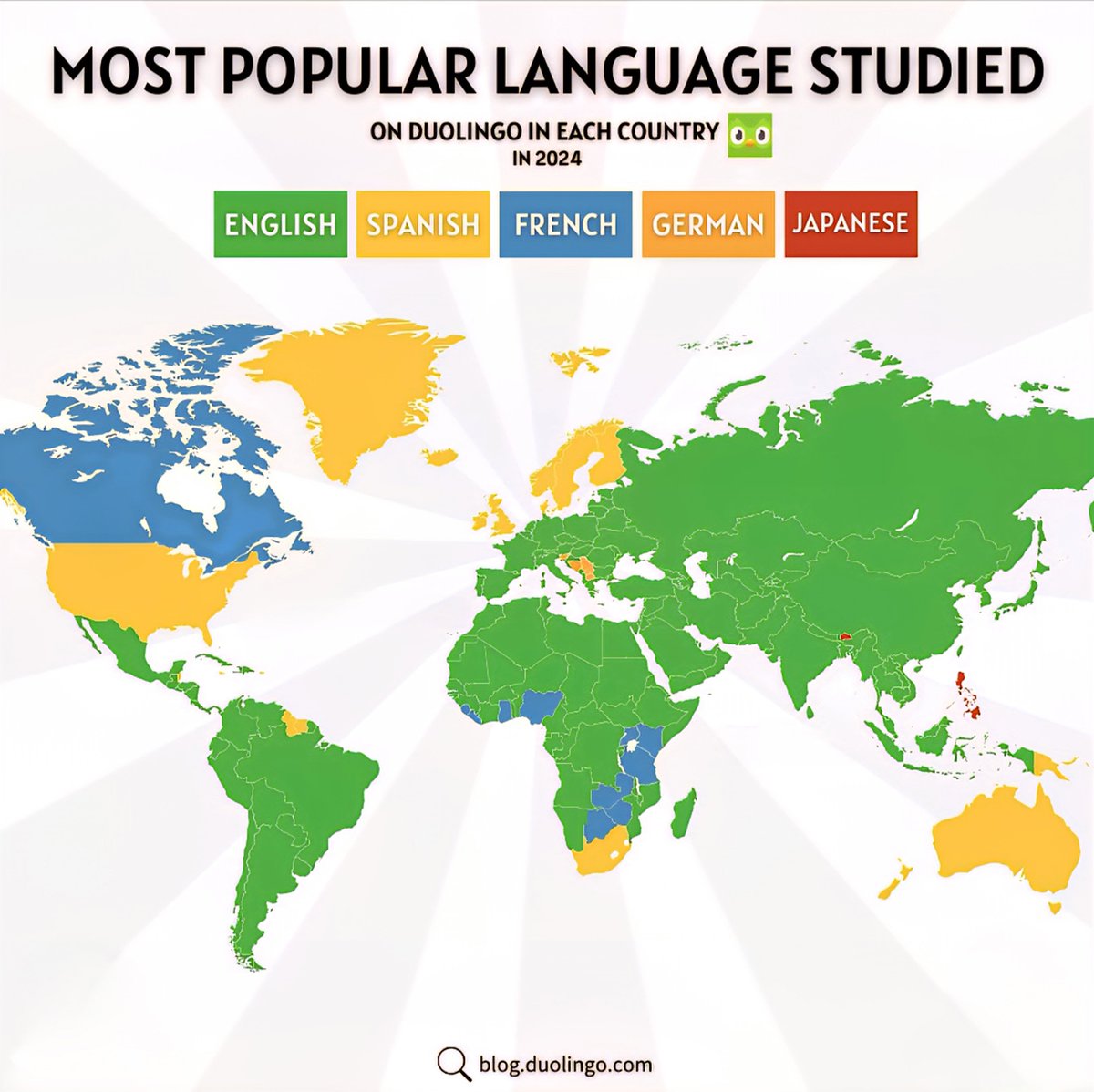
Most Studied Second Languages Around the World in 2025
1. English: The Global Lingua Franca
English continues to dominate as the most studied second language across the globe in 2025. Countries from Asia to Africa, and Europe to Oceania, prioritize learning English due to its importance in business, technology, and international communication. Notably, in nations like China and South Korea, English education is deeply embedded in school curriculums from an early age, owing to its pivotal role in the global job market. Even in countries where English isn’t the dominant language, there’s a strong emphasis on fluency, reflecting the language’s influence in international diplomacy and commerce.
2. Spanish: The Popular Choice in the Americas and Beyond
Spanish remains a favorite second language choice, especially in the United States, where over 40% of residents speak it either natively or as a second language. Its popularity extends further into Latin America, where regional proficiency is common, as well as Europe, where numerous learners pursue Spanish for travel or cultural reasons. Additionally, Spanish language programs have grown significantly in schools worldwide, driven by the cultural and economic ties between Spain and Latin America.
3. Mandarin Chinese: Rising in Worldwide Significance
Mandarin Chinese’s position as a study language is climbing steadily, fueled by China’s expanding economic influence. Countries like Australia, the United States, and Russia report increasing numbers of students learning Mandarin to better engage with China’s growing markets. Universities worldwide now offer specialized courses in Chinese language and culture, recognizing its strategic importance. Given China’s role in global trade, the language’s popularity is expected to continue rising in coming years.
4. French: The Cultural and Diplomatic Favorite
French remains a key second language choice, especially in parts of Africa, Europe, and Canada. Its role in international organizations such as the United Nations and UNESCO keeps it highly relevant. Many students choose French as their second language due to its cultural richness and its status as an official language in numerous international institutions. Moreover, France’s reputation for fashion, cuisine, and art continues to draw language enthusiasts.
5. German: The Technical and Economic Language
Germany’s strength as an industrial powerhouse makes German a popular second language among students interested in engineering, philosophy, and science. Countries such as Poland, the Netherlands, and Scandinavian nations see a significant rise in German learners, driven by cross-border collaborations and regional economic ties. German language skills are highly valued in the European Union, with many European students and professionals learning it to broaden career opportunities.
6. Arabic: Growing in Strategic and Cultural Importance
Arabic’s importance grows every year, especially in Middle Eastern studies, journalism, and international relations. Countries in North Africa, the Middle East, and even parts of Europe report increased interest in learning Arabic. Its significance in geopolitics, energy markets, and trade has motivated many students and professionals to acquire proficiency in the language.
7. Japanese: A Gateway to Tech and Culture
Japanese continues to appeal largely due to Japan’s influential pop culture, technology, and economic influence. Countries such as the Philippines, South Korea, and the United States include Japanese in their language programs. The language is particularly popular among young learners interested in anime, video games, and technology sectors. With a robust presence in global innovation, Japanese language skills remain a valuable asset.
8. Korean: The Rise of K-Culture
Korean has experienced a boom in popularity, thanks largely to the worldwide K-wave phenomenon — encompassing K-pop, K-dramas, and cuisine. South Korea’s investment in promoting its language and culture has paid off, with many countries reporting a sharp increase in learners. Educational institutions are now expanding Korean language programs to meet this growing demand, making it a trendy and practical second language for many students.
9. Russian: Strategic in Eurasia
Russian remains a significant second language choice in Eastern Europe and Central Asia. Its political and economic influence within the Commonwealth of Independent States (CIS) continues to drive interest. Universities in the United States and Europe increasingly include Russian studies due to its strategic importance in regional diplomacy, energy markets, and historical ties.
10. Portuguese: Emerging Due to Brazil’s Economy
Portuguese, primarily due to Brazil’s growing economy and regional influence, is gaining traction as a second language in South America and parts of Africa. Countries like Portugal, Mozambique, and Angola have become important hubs for business, tourism, and cultural exchange, prompting learners to pick up the language. Additionally, Portuguese language programs have expanded in U.S. universities, reflecting increasing global engagement with Lusophone nations.
As the world continues to evolve, so does the map of second language popularity. The trends in 2025 underscore a globalized environment where linguistic skills open doors to new opportunities, cultural understanding, and international collaboration. Staying updated with these language trends offers learners a strategic advantage in the increasingly interconnected world.
 ChatGPT
 Perplexity
 Gemini AI
 Grok AI