Select Language:
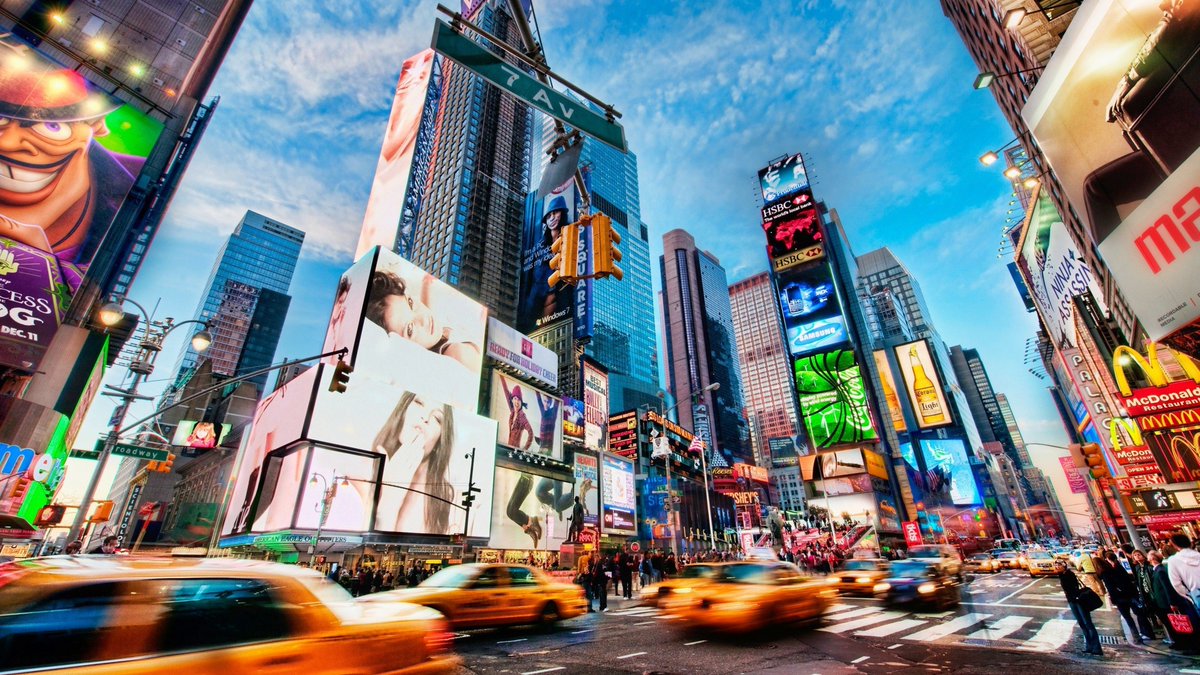
Top 20 Wealthiest Cities in the U.S. and the World by GDP in 2025
1. New York City, United States – $2.3 Trillion
Holding the top spot once again, New York City emerges as the richest city globally with a staggering GDP of approximately $2.3 trillion. The city’s financial district, home to Wall Street and countless multinational corporations, continues to drive its economic dominance. With its diverse economy spanning finance, media, technology, and entertainment, NYC remains an economic epicenter that attracts talent and investments from around the world.
2. Tokyo, Japan – $2.1 Trillion
Tokyo remains steadfast as Asia’s economic powerhouse, boasting a GDP of over $2.1 trillion. Its vibrant economy is fueled by advanced manufacturing, electronics, and innovative technology sectors. The city’s sprawling urban landscape reflects Japan’s technological advancements and commitments to global commerce. As an influential financial center in Asia, Tokyo continues to be a magnet for international business.
3. Los Angeles, USA – $1.29 Trillion
Known primarily for its entertainment industry, Los Angeles’s economy extends well beyond Hollywood. With a GDP of nearly $1.3 trillion, LA’s economy thrives on entertainment, aerospace, tech startups, fashion, and tourism. Its port, the largest on the West Coast, also plays a vital role in international trade, bolstering the city’s economic profile.
4. Paris, France – $1.27 Trillion
Paris maintains its position as a global cultural and financial hub with a GDP nearing $1.27 trillion. The city’s diverse economy includes fashion, luxury goods, tourism, finance, and technology sectors. Paris’s strong global influence continues to attract international investment, bolstering its economic stature.
5. London, United Kingdom – $1.17 Trillion
Despite recent economic uncertainties, London ranks fifth with a GDP of approximately $1.17 trillion. The city remains a leading global financial center, hosting numerous banking institutions, insurance companies, and tech firms. Its thriving arts scene and status as a diplomatic hub further contribute to its wealth.
6. Chicago, United States – $894.9 Billion
Chicago’s diversified economy, from manufacturing to finance, has propelled its GDP close to $900 billion. Known as the “Second City,” it boasts robust sectors like transportation, commerce, and tech innovation. Its central location in the U.S. makes Chicago a critical logistics and trading hub.
7. Seoul, South Korea – $878.5 Billion
South Korea’s capital remains one of the world’s leading tech and manufacturing centers, with a GDP of approximately $878.5 billion. Home to major corporations like Samsung and Hyundai, Seoul’s economy is driven by electronics, automobiles, and digital innovation.
8. São Paulo, Brazil – $780 Billion
As Latin America’s financial heart, São Paulo’s economy is vibrant and diverse, with a GDP of around $780 billion. Its sectors encompass finance, real estate, manufacturing, and services. The city’s role as Brazil’s business hub continues to underpin its economic strength.
9. San Francisco, United States – $778.9 Billion
San Francisco’s remarkable GDP stems from its thriving tech industry, venture capital, and startup ecosystem. The city is the heart of Silicon Valley, producing innovations in software, biotech, and green technology, with a GDP nearing $779 billion.
10. Dallas, United States – $744.7 Billion
Dallas rounds out the top 10 with a GDP of approximately $745 billion. Its economy is heavily centered on telecommunications, information technology, finance, and defense industries, making it a commercial hub in the southern U.S.
Additional Notable Cities
-
Washington, D.C. ($714.7B): The political and administrative hub also boasts a significant government contracting and cybersecurity sector.
-
Osaka–Kyoto–Kobe, Japan ($699.5B): This metro area leverages technological innovation and industrial strength, solidifying its economic importance in Japan.
-
Houston, USA ($697.0B): Known for its oil and gas industries, Houston’s economy remains resilient amid global energy shifts.
-
Shanghai, China ($663.9B): As China’s financial and commercial nucleus, Shanghai continues to expand its economic influence.
-
Rhine-Ruhr, Germany ($634.4B): Germany’s industrial heartland, rich in manufacturing and engineering prowess.
-
Beijing, China ($618.6B): The political capital extends into technological and service sector growth.
-
Boston, USA ($610.5B): A center for education, healthcare, and innovation, Boston’s economy thrives on high-tech and biotech industries.
-
Atlanta, USA ($570.7B): Its logistics, media, and finance sectors contribute to its economic expansion.
-
Seattle, USA ($566.7B): Home to tech giants like Amazon and Microsoft, Seattle’s GDP reflects its status as a technology and innovation hub.
-
Philadelphia, USA ($557.6B): With its diverse economy spanning healthcare, education, and manufacturing, Philadelphia remains a regional economic leader.
Summary
The economic landscape of 2025 underscores the continued dominance of U.S. cities, with several making the top of the list. Asian cities like Tokyo and Seoul maintain significant influence, reflecting the rise of Asia in global markets. European metropolises, notably Paris and London, sustain their roles as financial powerhouses, while Latin America’s São Paulo demonstrates robust regional strength.
Data sourced from the Federal Reserve Economic Data (FRED) and the St. Louis Fed confirms steady growth among these urban centers, reflecting ongoing global economic shifts and urban development.
As cities evolve, their economic GDP reflects not only their current financial health but also their future growth potential amidst geopolitical and technological advancements.
 ChatGPT
 Perplexity
 Gemini AI
 Grok AI