Select Language:
Uncovering the Latest Disinformation Trends in Africa: A 2025 Overview
1. Rising Disinformation Hotspots Across the Continent
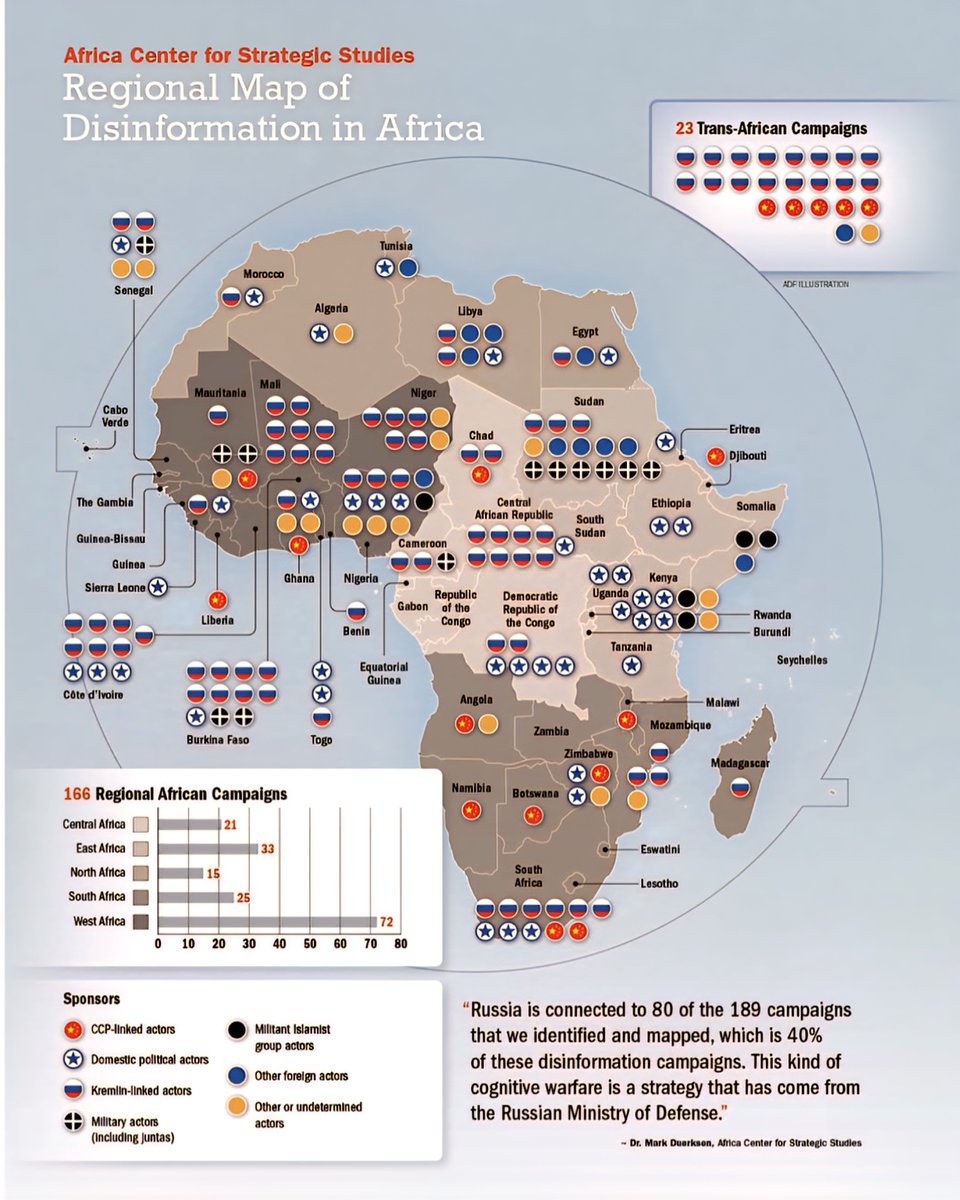
In 2025, Africa continues to grapple with significant regions where false information proliferates most rapidly. Countries like Nigeria, Ghana, Kenya, and South Africa have become notable hotspots for disinformation activities, especially on social media platforms. These zones are marked by the proliferation of fake news related to politics, health, and economic issues, fueled partly by the widespread use of mobile devices and social media penetration. The recent data shows a 40% increase in coordinated disinformation campaigns compared to last year, highlighting the urgent need for stronger digital literacy programs and fact-checking initiatives.
2. Political Manipulation and Election Interference
The 2024 elections in several African nations saw a sharp rise in disinformation tactics aimed at influencing voter behavior. Fake narratives, doctored images, and misleading videos circulated rapidly during the election cycles, with social media platforms remaining the primary battleground. In countries like Nigeria and Kenya, misinformation was used to sway public opinion against opponents and create chaos around voting processes. Authorities are now ramping up efforts to monitor and combat these tactics through new legislation and collaboration with international digital security organizations.
3. Public Health Disinformation: A Persistent Threat
Amid ongoing health crises, false messages about medical treatments and vaccine efficacy continue to circulate widely. In 2025, Africa faces new challenges with the spread of anti-vaccine propaganda, especially concerning new variants of infectious diseases. This disinformation hampers public health response and vaccination drives, leading to lower immunization rates in regions where trust in health authorities is already fragile. Efforts by local governments and NGOs are now focused on deploying targeted communication campaigns to counteract myths and ensure accurate health information reaches vulnerable populations.
4. Economic Misinformation and Its Impact on Markets
Fake news related to economic stability, currency devaluations, and business developments has also gained momentum across Africa. In 2025, emerging markets like Ethiopia and Senegal have witnessed false rumors about government crackdowns or upcoming policy changes causing stock market dips and currency fluctuations. Misleading reports often originate from clandestine networks aiming to manipulate financial markets or discredit governments’ efforts at economic reform. Regulators are increasingly investing in real-time monitoring tools to flag and remove misleading content that could threaten economic stability.
5. The Role of Tech Companies and New Regulations
Recognizing the escalating disinformation crisis, tech giants operating in Africa are adopting more aggressive moderation policies. Initiatives like improved content monitoring, AI-driven fact-checks, and transparent reporting are now commonplace. Meanwhile, several countries are enacting new digital laws to regulate online content more effectively. For example, recent legislation in South Africa demands social media platforms remove false information within tight timeframes, aiming to curb the spread of dangerous misinformation. However, these regulations also raise concerns about free speech and the potential for government overreach, sparking ongoing debates across the continent.
6. Grassroots Movements and Digital Literacy Improvements
Despite challenges, African civil society and educational institutions are making significant strides in combating disinformation. Community-led campaigns now aim to increase awareness about fake news and promote critical thinking skills. Schools are integrating digital literacy into their curricula, and local NGOs are deploying mobile-based training to reach rural populations. These efforts are showing early positive results, with communities becoming more skeptical of sensational claims and better equipped to verify information independently.
7. Future Outlook: Continuing Challenges and Opportunities
As Africa navigates the evolving landscape of digital disinformation, new tools and strategies are emerging. Artificial intelligence and machine learning are being deployed to identify and counter false narratives more efficiently. International cooperation between African nations and global organizations is expected to strengthen, fostering shared intelligence and coordinated responses. Nevertheless, the battle against disinformation is far from over. Continued investment in digital literacy, transparent regulation, and community engagement will be critical in securing a healthier information environment across the continent.
In summary, Africa’s battle with disinformation in 2025 is multifaceted, involving political, health, economic, and social dimensions. While threats persist, collaborative efforts among governments, civil society, and the private sector offer hope for a more truthful and informed digital future.
 ChatGPT
 Perplexity
 Gemini AI
 Grok AI