Select Language:
Exploring the Enduring Belief in Life After Death in 2025
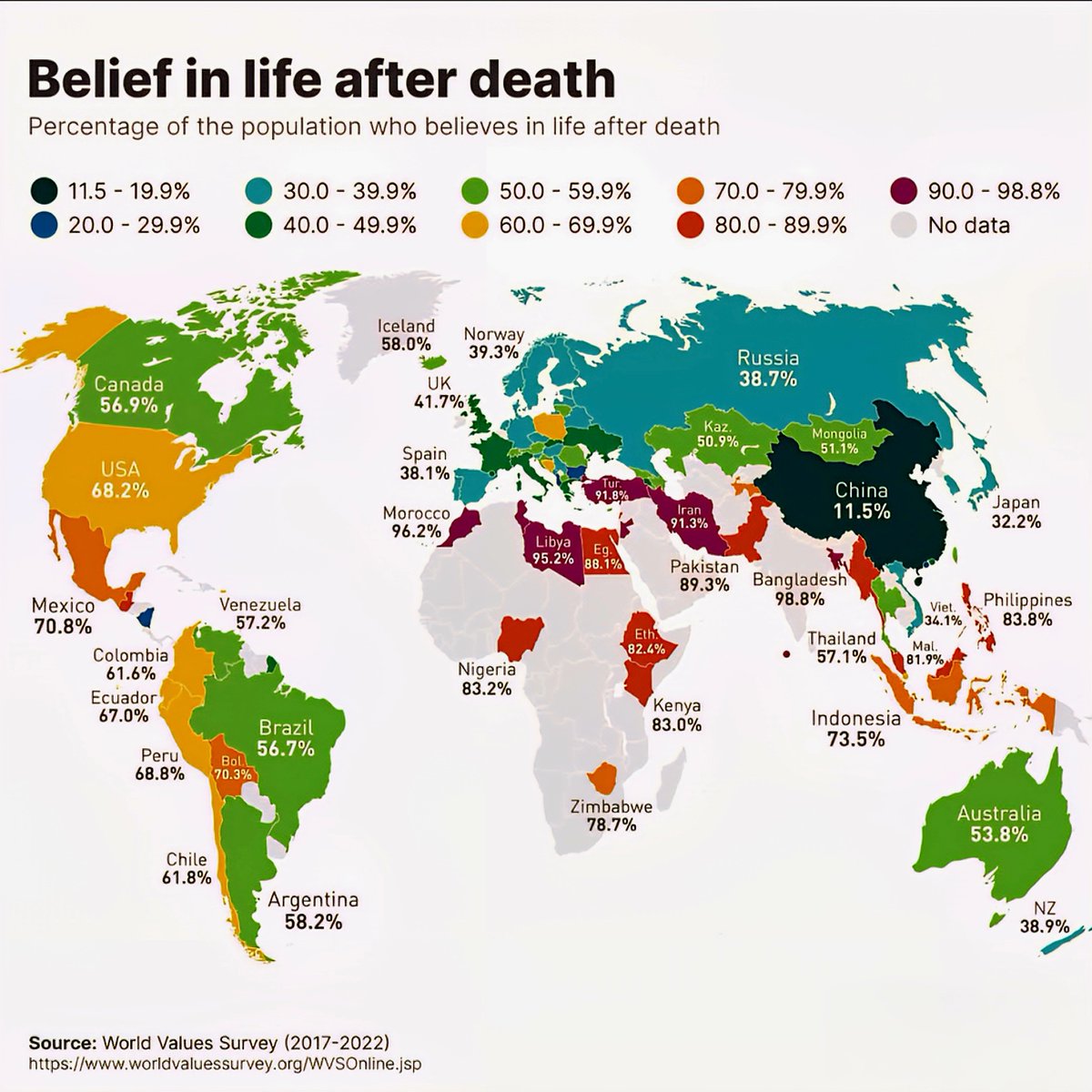
In the evolving landscape of spiritual and philosophical beliefs, the conviction in life after death continues to hold immense significance for many people around the world. Despite scientific advancements and changing societal norms, this age-old belief persists, shaping cultures, influencing behaviors, and inspiring countless personal and communal practices. Here are some key insights into the enduring faith in an afterlife as of 2025.
The Rise of Near-Death Experience Narratives
Over recent years, there has been a noticeable increase in documented near-death experiences (NDEs). People from diverse backgrounds report vivid and often transformative encounters when they have been close to death. These accounts commonly include feelings of peace, encounters with beings of light, or visions of loved ones who have passed away. Such stories bolster the belief that consciousness may continue beyond physical demise. Researchers continue to analyze these experiences, with some suggesting they might be physiological phenomena, while others see them as evidence of an existence beyond the physical realm.
Integration of Ancient Beliefs with Modern Spirituality
Modern spirituality has increasingly embraced ancient teachings about the afterlife. From Egyptian, Hindu, Buddhist, to Indigenous traditions, many cultures maintain comprehensive views of an ongoing journey after death. Today’s spiritual communities often blend these time-honored beliefs with contemporary thought, emphasizing the concept that the soul or essence persists, evolving through various stages or realms. The resurgence of interest in traditional spiritual practices signifies a widespread desire to connect with these timeless ideas.
Influence of Digital Memorials and Virtual Afterlife
In 2025, technology is playing a pivotal role in how the living interact with loved ones who have passed away. Digital memorials, virtual reality tributes, and AI-powered chatbots that mimic deceased loved ones are becoming commonplace. These innovations provide solace and a sense of ongoing connection, reinforcing the belief that consciousness or personality can somehow survive physical death. Critics debate whether these tools offer genuine post-death experiences or serve as comforting illusions, yet their popularity indicates a persistent desire to bridge the gap between life and what lies beyond.
Scientific Curiosity and Experiments on the Afterlife
While mainstream science remains cautious about claims of an afterlife, researchers continue to explore related phenomena. Studies into quantum consciousness, reincarnation cases, and consciousness during coma states are areas of growing interest. Some experimental efforts aim to validate or refute the possibility of consciousness existing independently of the brain. Although definitive proof remains elusive, interest in these scientific inquiries demonstrates that the belief in life after death still inspires curiosity and academic pursuit.
The Role of Personal Experience and Cultural Influence
Personal encounters, cultural upbringing, and societal narratives heavily influence individual beliefs about life after death. Despite diverse opinions, many individuals cite personal stories or family traditions as foundational to their faith. For some, religious teachings provide a framework for understanding what happens after death—be it heaven, reincarnation, or ancestral spirits—giving comfort amid life’s uncertainties. For others, these beliefs serve as moral compasses, guiding behavior and fostering hope for an existence beyond the physical.
The Psychological and Social Impact of Believing in an Afterlife
Belief in an afterlife often offers psychological comfort, helping people cope with grief, loss, and fear of mortality. In 2025, this belief continues to provide a sense of purpose and continuity, especially in times of global upheaval or personal crisis. Socially, communities built around shared spiritual notions of the afterlife often foster strong support networks and collective rituals, reinforcing faith through ceremonies, prayers, and memorial events.
Conclusion
As of 2025, the unwavering belief in life after death remains a powerful element of human culture and consciousness. Whether driven by scientific curiosity, spiritual tradition, or personal experience, this belief continues to shape lives and inspire explorations into the mystery of what happens after we pass away. The ongoing convergence of technology, ancient wisdom, and scientific inquiry promises to keep this age-old question at the forefront of human curiosity for generations to come.
 ChatGPT
 Perplexity
 Gemini AI
 Grok AI